
Introduction
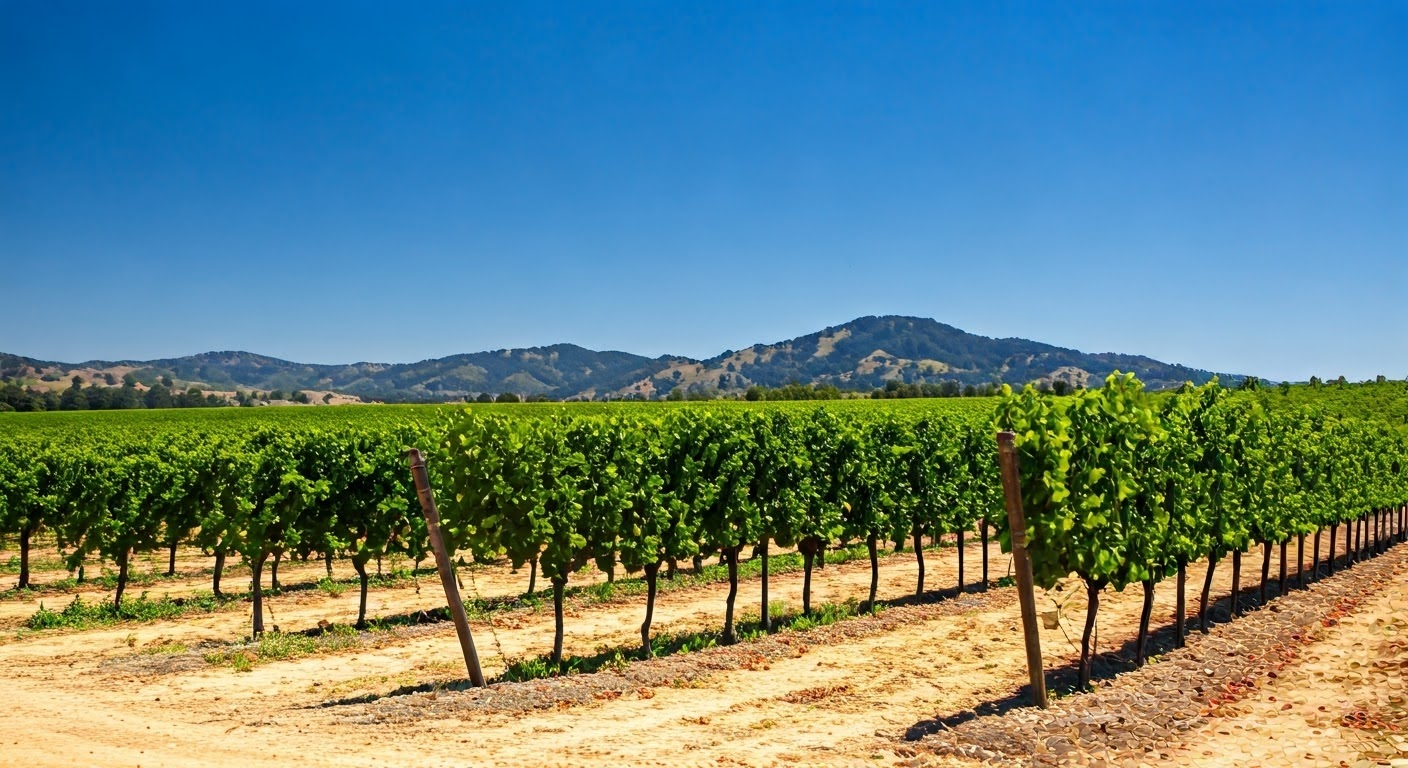
California's wine industry is a key part of global wine making. It has a deep history that has changed over many years. The state's first commercial winery opened in the mid-1800s. Today, California wine is known around the world for its great quality. Vineyards grow Vitis vinifera varieties that do well in California's constant sunshine. These vineyards create outstanding wines that are very popular in the global market. This story of farming success shows how California has changed and adapted over time. It also led to famous events like the Judgment of Paris.
The Early Beginnings of California Wine
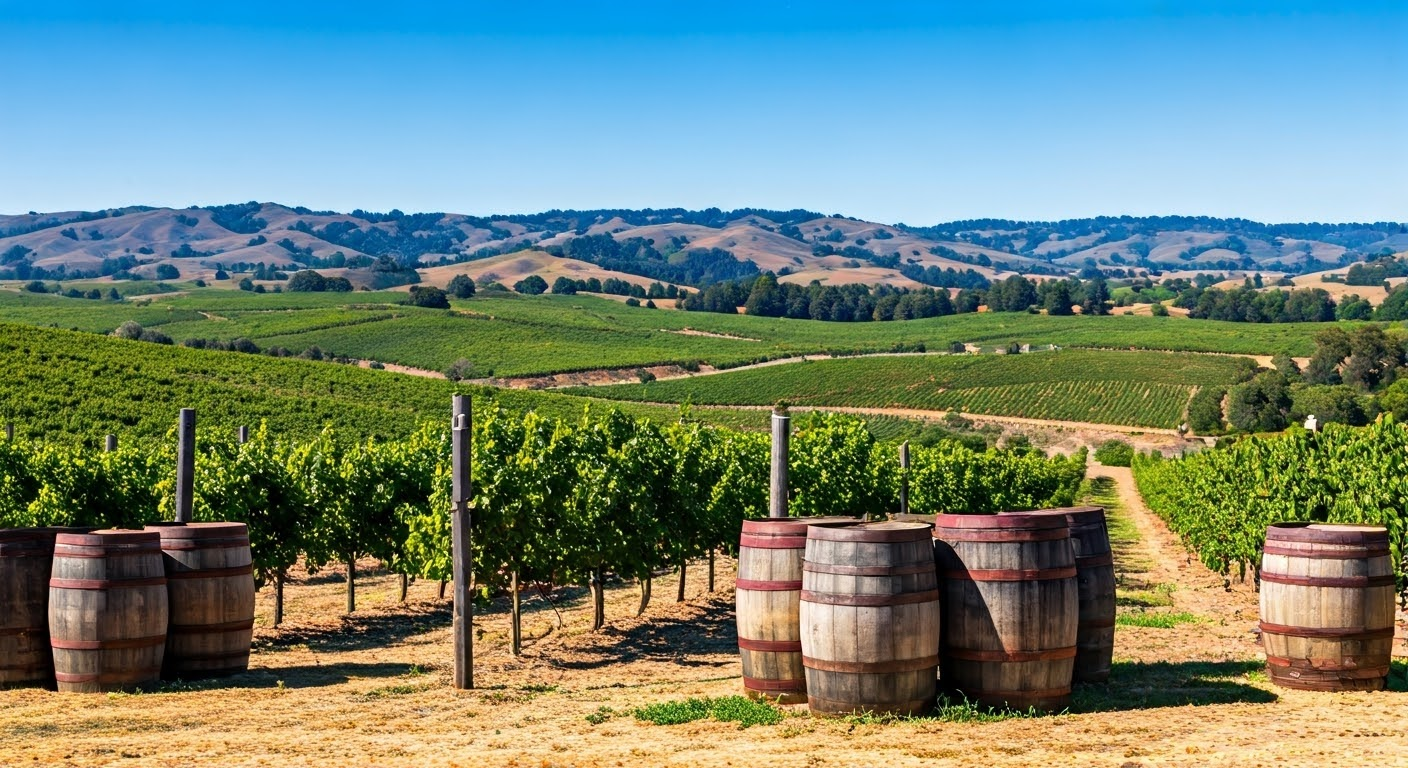 The history of wine production in California goes back to the 1700s. Spanish missionaries brought Mission Grapes to aid religious practices. Places like Mission San Diego and Mission San Juan Capistrano helped start California's wine industry. They thrived in rich soils and good climates.
By the mid-1800s, the California Gold Rush led to more people moving to the area, including those from San Francisco. This increase created a need for locally made wine. Early wineries like Buena Vista Winery and leaders like John Patchett were essential in building the wine legacy of Napa and Sonoma County.
Evolution of California Wine Industry
The Introduction of Mission Grapes
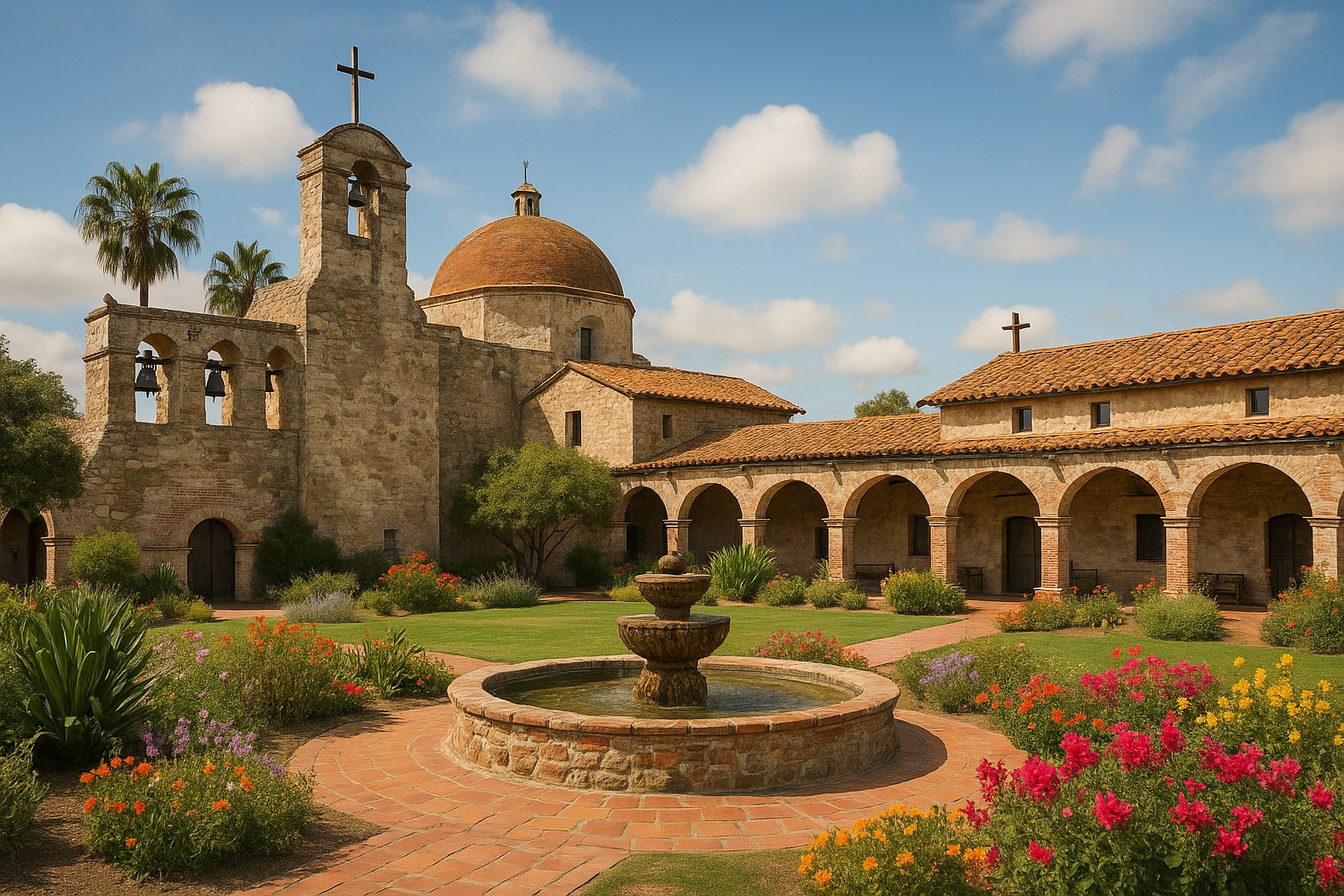
The journey of California wineries starts with the Mission Grape, which Spanish explorers brought to the Americas. Established missions, like Mission San Diego, used this helpful grape to make wine for religious purposes and daily drinks. Its ability to grow in different soils and climates helped set up California’s early wine production.
In 1779, Mission San Juan Capistrano, under the guidance of Father Junípero Serra, planted the first vineyard in California using Vitis vinifera varieties from the Mediterranean. This was an important moment because Mission Grapes became the main type of grape used in local winemaking for more than a hundred years.
Known as the “common black grape,” its success turned it into a cultural symbol for early wine growing. It shaped the flavors and methods of production that marked that time. The Mission Grape's impact helped the California wine industry grow and thrive.
The Impact of the Gold Rush on Vineyards
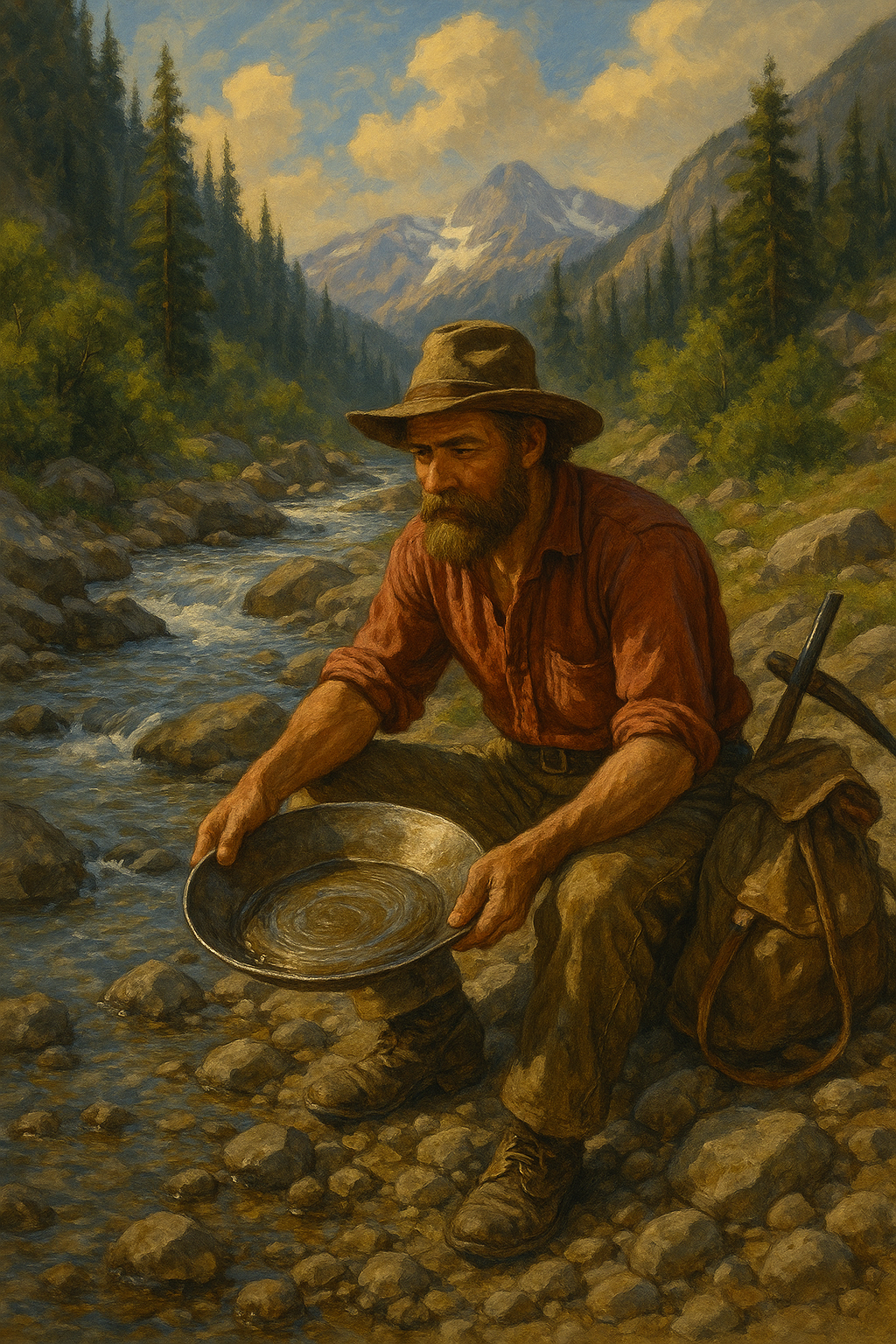
The California Gold Rush in 1849 started a big change. Many settlers came to the area, and the need for local wine grew quickly. Wine production grew fast as new people arrived in the state of California, bringing money and resources to boost the industry.
People like John Patchett created Napa County’s first commercial winery in 1859, taking advantage of this rising market. At the same time, Agoston Haraszthy founded the Buena Vista Winery and used new methods to maximize the state's agricultural power, while Charles Krug winery laid the foundation for future growth in the region.
The gold rush helped Northern California become known as a place for winemaking, especially in Sonoma and Napa counties. Chinese immigrants played an important role during this time. They helped with things like planting vineyards and building cellars, which were key to forming the large industry that would develop in the future.
California Wine History - Challenges and Triumphs
Driven by resilient wine producers, was not easy. It faced problems such as the Phylloxera epidemic in the late 19th century and Prohibition in the early 20th century. These issues put wineries and grape growers at risk, forcing them to change and improve.
Even with these difficulties, California’s winemakers showed strength. They used methods like grafting resistant roots and diversifying what they produced. Because of these successes, they not only rebuilt trust in the state’s wine industry but also prepared it to grow on a global level in modern times.
The Phylloxera Epidemic
In the late 1800s, the Phylloxera epidemic, a harmful aphid, caused great trouble for viticultural areas in California. Like in European vineyards, it destroyed many crops, leading many growers to quit their work.
To recover, farmers used grafting. They joined resistant American Viticultural Areas rootstocks with weak European grape types. This helped the industry come back to life by introducing new grape varieties. They also changed the way they produced wine to avoid problems in the future.
By 1900, there were almost 300 grape varieties growing, and nearly 800 wineries were up and running across the state. This crisis changed everything, creating a mix of high-quality grape varieties that helped California become a top wine region globally.
Prohibition and Its Effects
The United States government enforced the 18th Amendment in 1919. This law hurt wine production in California a lot. The Bureau of Alcohol made vineyards get pulled up and fermenting cellars destroyed. Very few wineries could keep going.
To cope with these rules, some vineyards changed to produce table grapes or juice. Others kept making wine for religious uses because of legal exemptions. This helped them survive during Prohibition.
When the law was repealed in 1933, only 140 wineries were left. This was a big drop from over 800 before Prohibition. Even with about twenty years of little growth, California’s constant sunshine and farming skills helped the California wine industry slowly bounce back. The lessons learned from this time guided the industry towards recovery and new ideas in the future.
The Modern Revival
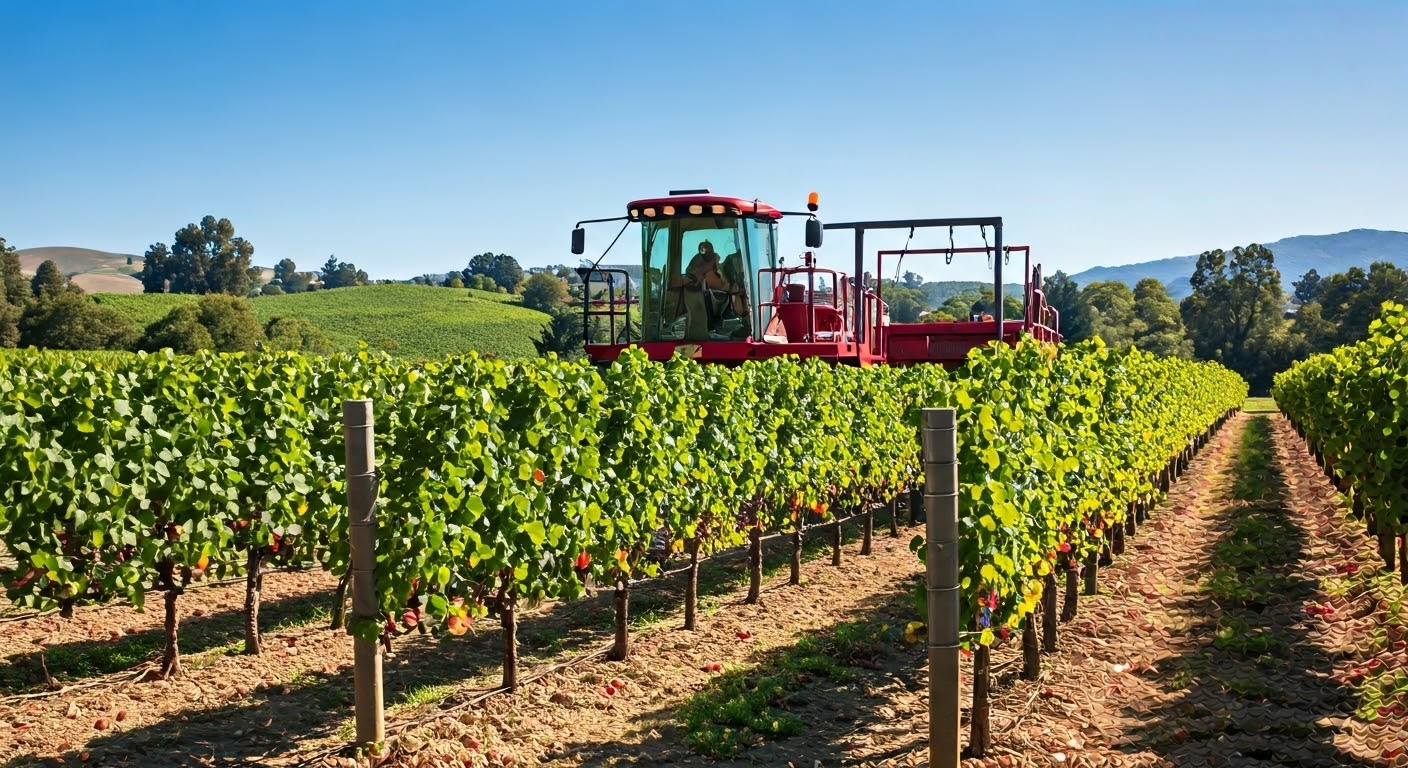
Napa Valley wine history
In the mid-20th century, California wine began to rise again. This was thanks to new ideas and recognition from around the world. Wineries like Robert Mondavi Winery played a big role. They took bold steps to create fine wines that became popular in many countries.
Over the years, these efforts led to a big change in wine production. The Judgment of Paris was one event that helped show California's strength in the wine world. This revival also led to better technology and fresh methods in winemaking.
The Renaissance in the 1960s and 70s
The 1960s changed California’s wine industry, particularly in the Santa Cruz Mountains. New producers, like Robert Mondavi, led major changes. He showed how mixing new ideas with old traditions is important. His work at the University of California helped him gain valuable insights.
Mondavi formed the Robert Mondavi Winery. Here, he mastered techniques such as oak aging and used different production techniques. His work improved wine quality, especially for Cabernet Sauvignon and Sauvignon Blanc, making them global favorites.
A key event happened in 1976 during the Paris wine tasting. It was called the Judgment of Paris, where California wines surprised everyone by beating famous French wines in a blind tasting. This event, covered by Time Magazine, put California on the world wine map.
California Wineries - Technological Advances in Winemaking
Technological innovations in winemaking have propelled California to unparalleled heights. Advancements like malolactic fermentation and temperature-controlled tanks have refined both the taste and efficiency of wine production. Integration of new world methodologies encourages distinct styles that heighten international appeal.
|
Technique |
Description |
|---|---|
|
Malolactic Fermentation |
Converts malic into lactic acid, creating smooth, buttery wine flavours. |
|
Precision Irrigation |
Enhances water use efficiency in dry areas like Northern California. |
|
Optical Fruit Sorting |
Automates grape selection, ensuring top-quality harvests. |
By leveraging modern solutions, California vintners harmoniously blend tradition with state-of-the-art tools, ensuring sustainable practices and world-class quality across their products.
Regional Exploration - California wine regions
California covers over 700 miles and has many different wine-growing areas. Each area has its own climate and soil. From North Coast AVA to the South Coast, these regions grow top California wine grapes like Pinot Noir and Zinfandel. This diversity helps shape their unique identities.
Every region offers different flavors. For example, you can taste the mineral-rich reds from Paso Robles or the fruity whites from the Russian River Valley. Wine lovers will find a fantastic range of flavors and high quality here.
Characteristics of Major Wine Regions
California’s wine regions show a lot of variety. The North Coast, which includes Sonoma County and Russian River Valley, has cool weather. This is perfect for bold Pinot Noir and fresh Sauvignon Blanc wines.
In a different way, the Central Coast AVA, which includes Paso Robles, San Luis Obispo, and Santa Ynez Valley, gives rich wines like earthy Syrah and fruity Zinfandel. These wines benefit from special microclimates that are similar to those found in Mediterranean regions.
In Southern California, the warmer inland spots like Temecula Valley make smooth Merlots that have a good balance of acidity. These elements highlight the unique qualities found in California’s different terroirs.
Unique Varietals Across Regions
California has a wide range of land, making it perfect for growing many types of grapes. The Russian River Valley in Sonoma, along with Alexander Valley, is known for its fruity Pinot Noir, which has strong cherry and berry flavors.
In the Central Coast AVA, especially around Santa Barbara, bright Sauvignon Blanc is popular. This variety has fresh citrus and grassy tastes. Additionally, Muscat of Alexandria, found in warmer places like San Diego, creates sweet and aromatic wines.
These local favorites show how the Golden State offers different wine options. They also highlight the unique traits that set California wines apart on the world stage.
Global Recognition and Cultural Impact
California's wines became famous worldwide during important events like the Judgment of Paris. This event showed that California could compete with old wine countries like France.
The state's lively wine culture is captured in movies such as Bottle Shock and Sideways. These films focus on places like Sonoma County and Santa Barbara. They help more people know about California's wines and strengthen its image as a top wine place in the world.
Achievements in International Wine Competitions
The 1976 Judgment of Paris changed how people saw California wine. In this blind tasting, Chateau Montelena’s Chardonnay and Stag’s Leap Cabernet beat top French wines.
Time Magazine reported that the results caused big surprises and boosted the popularity of New World wines around the world. This win showed that California vintners could make fine and memorable wines using modern production techniques.
Today, California is still at the top. It often ranks high in wine competitions across Southeast Asia, Europe, and Central America.
Media and Film
California's wine history shows up a lot in pop culture, which makes it even more appealing. Movies like Sideways changed how people think about wine and increased interest in Santa Barbara's top Pinot Noir.
Also, Bottle Shock shared the story of the Judgment of Paris. It highlighted areas like Sonoma County and their amazing work making the best wines. Writers like John Steinbeck connected wine country to their stories, adding to its cultural meaning.
These portrayals keep people excited about new wines and help bring in tourists to the wine country hotspots.
Conclusion
California's wine industry has changed a lot over time. It started from small beginnings with Mission grapes and became famous for winemaking. This change shows how strong the grape growers are. They have shown great adaptability and new ideas that shape the area. The growers faced problems like the Phylloxera bug and Prohibition. They also welcomed new technology in the 20th century. California's vineyards have kept changing to meet new demands. Looking ahead, California wines will continue to impact wine culture around the world and inspire future winemakers. If you want to see this lively industry, you can join us for a tasting or a vineyard tour. It is a great way to enjoy the rich history and amazing flavors of California.
Frequently Asked Questions
What Grape Varieties Are Most Commonly Used in California?
California’s vineyards are known for excellent Cabernet Sauvignon, Chardonnay, Merlot, Zinfandel, and Pinot Noir. The state has a diverse climate that allows more than 100 grape varieties to grow.
What makes California wine so great?
California wine is celebrated for its diverse terroir, innovative winemaking techniques, and favorable climate. The state's unique geography allows for a wide range of grape varieties, producing exceptional wines that cater to different palates. This combination of factors has established California as a leader in the global wine industry.
Subscribe to our Mailing List!
Stay in touch with the exciting! Join our mailing list to be one of the first to find out about new news and events. We will send you special content just for you. This includes information about events, new wine releases, and tips to make your visit to wineries, breweries, and distilleries even better. By joining our mailing list, you can access valuable information and exclusive deals. This keeps you ready for your next unforgettable trip. Your subscription is free. Sign up