
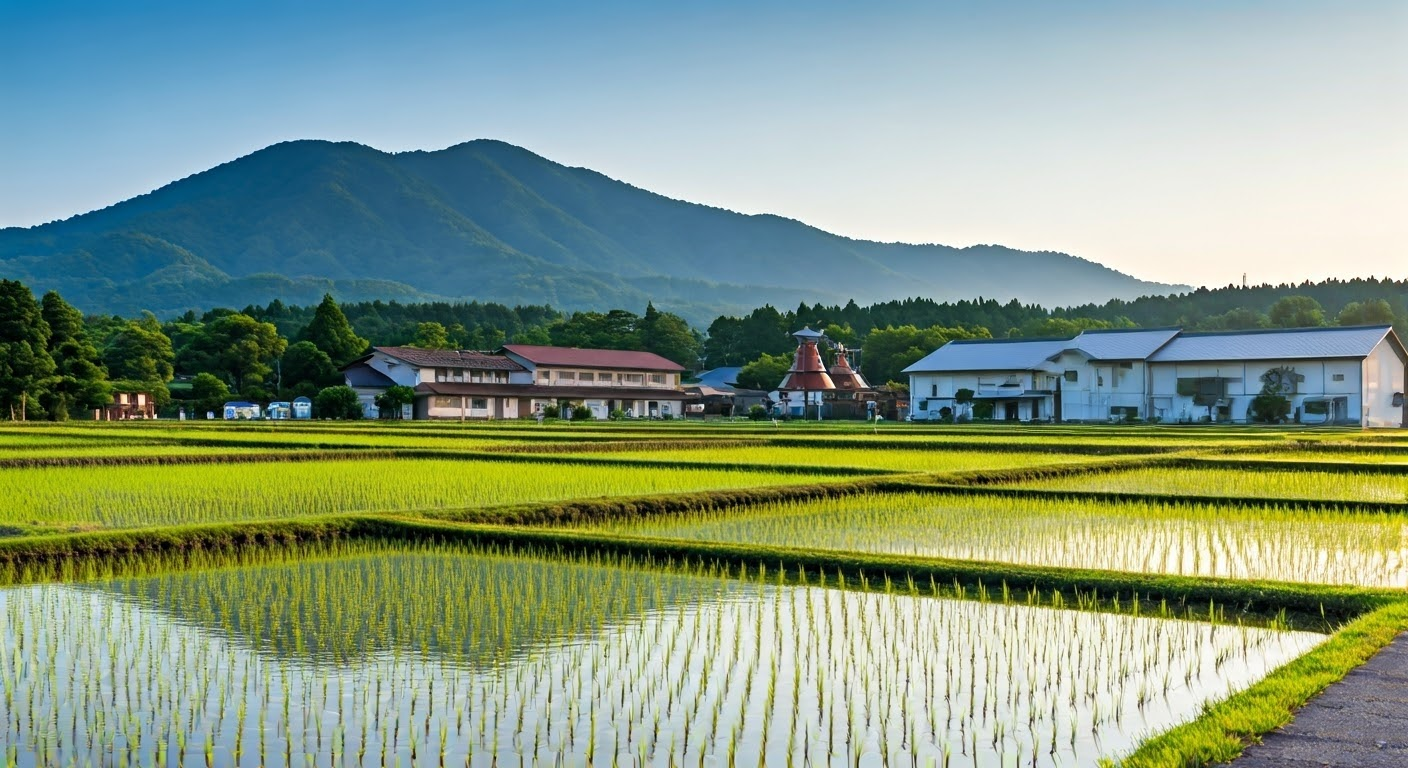
Early Beginnings of Distillation in Japan
Japan has a long history of distillation that goes back many years, contributing to the overall value of Japan in the alcoholic beverage industry. Initially, people were mainly focused on producing fermented drinks, especially sake. They used rice and sake lees in their early methods. These processes were important for cultural and religious ceremonies.
As time went by, Japan found new ways to make drinks. This gave rise to more choices in alcoholic beverages. One popular drink is Shōchū, a distilled spirit that many people enjoy in the Kyushu region. Over time, the different ingredients and methods changed Japanese distillation. This development made it similar to the high-quality products we see today.
Japan’s rich and layered history with distilled spirits is one of innovation, cultural nuance, and a relentless drive for perfection. While many know Japan for its award-winning whiskies, the story of Japanese distillation begins much earlier, with traditions shaped by regional climates, imported knowledge, and a reverence for local ingredients.
Shōchū: Japan’s Ancient Soul Spirit
Long before whisky took root in Japan, Shōchū was the country’s primary distilled beverage. Believed to have arrived via trade with China and Southeast Asia around the 15th century, Shōchū is distilled primarily in southern Japan, especially Kyushu.
Shōchū differs from sake in that it is distilled, not brewed. It uses a wide array of base ingredients—sweet potatoes (imo), barley (mugi), and rice (kome) among them. Regionality plays a critical role: for example, the volcanic soils of Kagoshima influence the depth and smokiness of local imo Shōchū.
Shōchū vs. Sake
-
Sake is brewed like beer; it uses polished rice and is generally lower in alcohol (12–15%).
-
Shōchū is distilled and can range from 20–30% ABV. It’s made from a variety of starches and offers a broader flavor range.
-
Sake is often consumed warm; Shōchū is frequently enjoyed on the rocks or mixed with water.
Awamori: Okinawa’s Living History
Even older than shōchū, awamori is the traditional distilled beverage of Okinawa, with over 600 years of documented production. Made from long-grain Thai rice and fermented with unique black kojikōji mold, awamori is pot-distilled and aged in clay pots, giving it earthy, aromatic depth.
Once reserved for nobility and rituals, awamori now symbolizes Okinawa’s enduring cultural identity. Some distilleries age it for decades, a practice that has drawn comparison to fine cognac or Scotch whisky.
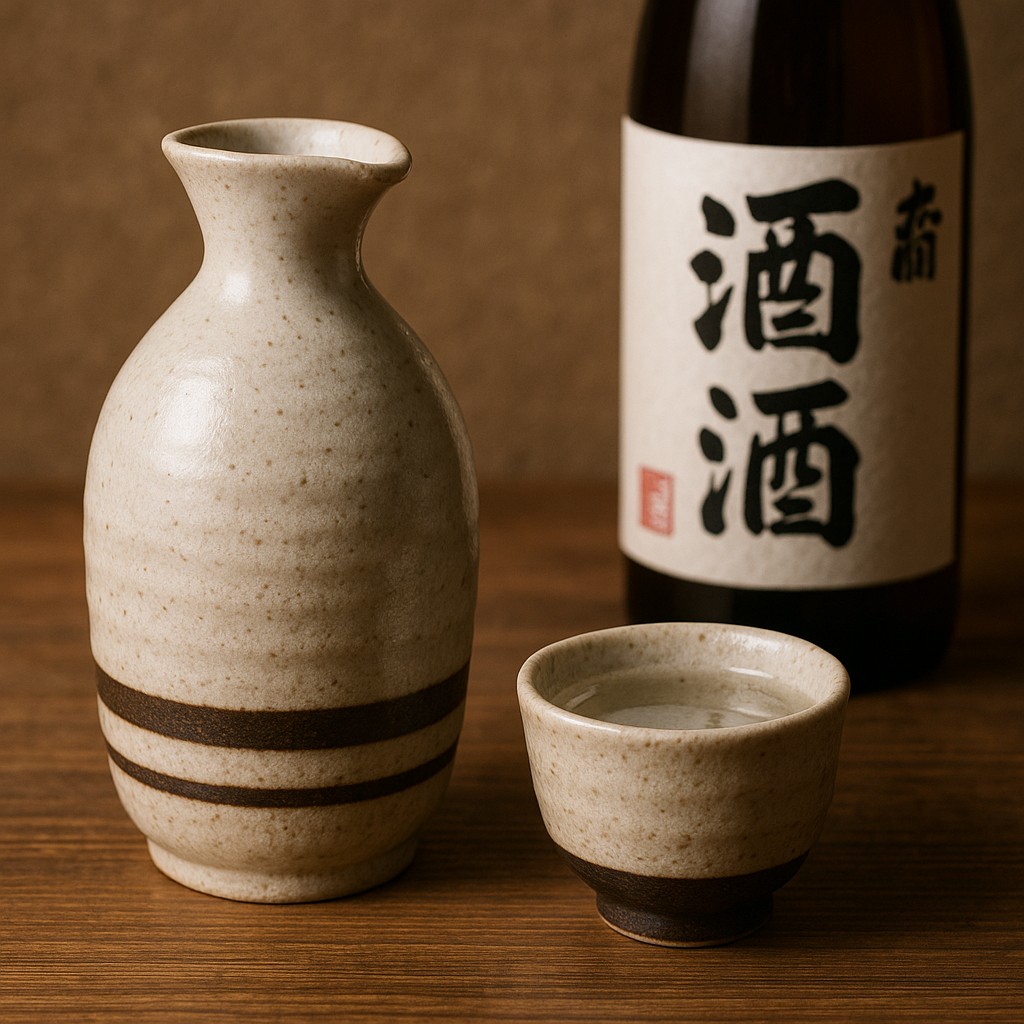
Ancient Methods and Ingredients
The first alcoholic drinks in Japan mostly came from rice. Rice plays a big role in Japanese culture. A popular drink at Japanese restaurants is sake, which is a type of rice wine. It is made by fermenting steamed rice and water in a careful way. The leftover material from making sake, called sake lees, was used later, ensuring that nothing was wasted.
This fermentation process took a lot of time and hard work. Each part was dedicated to good quality. Koji mold was important because it changed rice starch into sugars that yeast could use. Early brewers knew how fermentation worked, even without the information we have today.
In the beginning, Japan focused a lot on the skill of brewing. The use of rice helped in making sake. It also led to creating other drinks, like shōchū. This drink is made by mixing rice with different ingredients.
From Island Roots to Global Influence: The Rise of Japanese Whisky
While Shōchū and awamori represent Japan’s native distillation lineage, Japanese whisky was born from international ambition. In the early 20th century, Masataka Taketsuru studied whisky-making in Scotland and brought the craft back home. With the founding of Nikka and his partnership with Suntory, Japan began producing whiskies modeled on Scottish techniques—but soon diverged with their own methods and philosophies.
By the 2000s, distilleries like Yamazaki, Hakushu, and Yoichi were producing spirits that won top honors at global competitions. Japanese whisky is renowned for its purity, balance, and elegant restraint—hallmarks of Japan’s meticulous distilling ethos.
Legendary Japanese Distilleries and Regional Powerhouses
-
Kagoshima & Miyazaki – epicenters of imo Shōchū
-
Okinawa – home of centuries-old awamori distilleries like Zuisen and Chuko
-
Yamanashi & Hokkaido – cradles of Japanese whisky innovation
Some distilleries combine both tradition and experimentation, aging Shōchū in oak barrels or producing single-distilled whiskies that reflect local terroir.
Cultural Impact: From Everyday Drink to National Icon
For centuries, shōchū and awamori were humble table spirits, enjoyed with meals or during festivals. But with a global spotlight now on Japanese distilling, there’s a growing reverence for these drinks. Craft cocktail bars in Tokyo, New York, and London now serve shōchū-based highballs and awamori negronis, introducing these storied spirits to a new generation.
Influence of Foreign Techniques
Foreign influence heavily impacted how Japan produces whisky. This was most noticeable when whisky first came to Japan. In the late 1800s and early 1900s, whisky consumption grew in the country. Japan began to imitate scotch whisky. Japanese distillers carefully observed their Scottish counterparts.
Entrepreneurs like Masataka Taketsuru went to Scotland to learn how to make whisky in the traditional way. , marking significant moments in the history of Japanese whisky. When he got back to Japan, he helped build some of the first whisky distilleries in the country. This includes popular brands such as Suntory and Nikka.
They worked hard to combine new methods with local traditions. This created whiskies that have a special Japanese touch. Local ingredients, such as Mizunara oak for barrels, added unique flavors. Because of this, Japanese whisky is now compared to Scotch whisky. Today, scotch whisky is still the main type, but Japanese whisky is also gaining recognition as its own category.
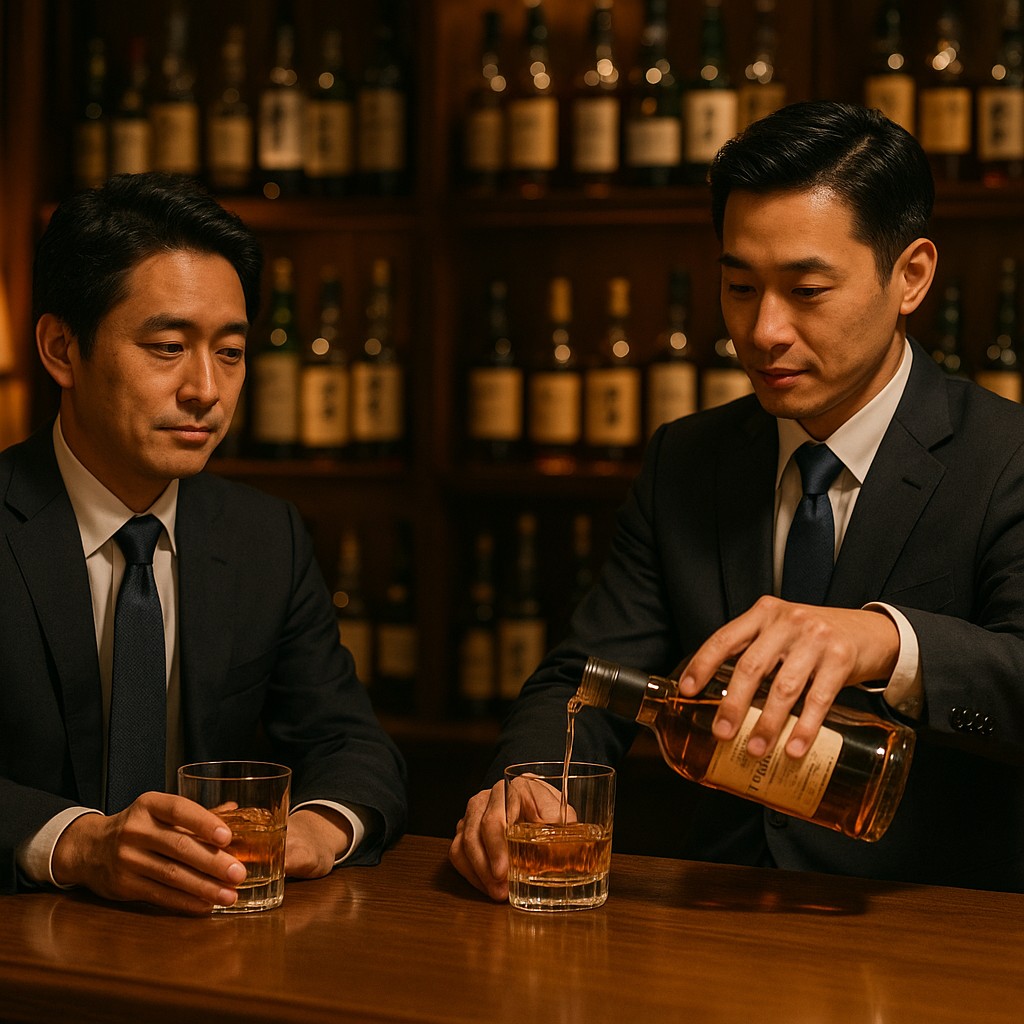
Japanese whisky history
Japan has changed the way it makes drinks over the years. This change has given us many options today. During the Kamakura Period, people experimented with new ideas. These led to basic methods of making drinks. Later, in the Muromachi Period, these methods became more popular. They also helped improve sake production.
During the Edo Period, people got better at making sake as their society advanced under the Tokugawa Shogunate. They found new ways to use sake lees. In the Meiji Era, industrialization caused many changes. Over time, Japan moved from traditional ways of making sake to more scientific methods. They always honored their cultural roots during this time.
Distillation During the Kamakura Period
The Kamakura Period (1185–1333) is an important time in Japanese culture. A lot changed during this time, especially in how alcohol was made. This development built on what happened in the Heian Period. Alcohol was important for religious ceremonies. The production of alcohol became more organized as well.
During the Kamakura Period, several sake breweries grew and discovered new ways to make alcohol. They used sake lees and found unique uses for byproducts. This led to experiments that aimed to create stronger drinks.
Brewing and distillation were often connected to religious ceremonies. Temples and shrines were places where people made alcohol. They used methods that respected Japanese traditions. These ties to religion made distillation feel both holy and practical. It served important roles in ceremonies and daily life.
Advances in the Muromachi Period
During the Muromachi Period (1336–1573), sake production in Japan improved a lot. Sake breweries focused on better fermentation techniques. This raised the quality of sake. They developed traditional methods by using kōji mold. This mold turned rice starch into sugars, making fermentation easier.
During this time, Shōchū became an important distilled spirit. It has a higher alcohol content compared to sake. Shōchū is made by distilling fermented items like barley, sweet potatoes, and rice. This process results in a stronger flavor.
The Muromachi Period was a key time for changes in how things were made. Local breweries became creative hubs. They mixed old wisdom with new techniques. This period laid the groundwork for future development in Japanese distillation. It helped the craft pay more attention to precision, flavor, and cultural respect.
Refinements in the Edo Period
The Edo Period (1603–1868) was a key time for sake, mostly because of the Tokugawa Shogunate. During this time, breweries improved their sake-making process. They started using sake lees to create different distilled drinks.
New rules helped keep high quality. They created standards for brewing and distilling. , which supported the growth of Japan's alcoholic beverage exports. This allowed people to access many types of alcoholic beverages. Alcohol became a bigger part of daily life in Japan.
This time also saw more Izakayas, where people enjoyed sake together. These places helped bring people closer. The shifts during this time set the stage for future development in industry. They blended old methods with new techniques in Japan's history.
Industrialization in the Meiji Era
The Meiji Era (1868–1912) changed Japan's alcohol industry. New production methods and regulations played a big role in this transformation. As sake production grew, the government set up new rules to ensure quality and safety. They also started the National Tax Agency. This agency focused on creating a tax system for distilled alcohol, making the industry more professional.
Japanese drinks changed during this time because of influences from the West. Whisky became more popular as local makers learned new ways from other countries. This experience helped create famous brands like Suntory and Nikka.
The growth of the industry brought improved machines and production methods. Japanese distillation stuck to its traditional ways, but it also welcomed scientific ideas. This blend made the Meiji Era a key time in history. It mixed old skills with new technology, which created the special qualities of Japanese spirits.
Modern Techniques Since the Shōwa Era
The Shōwa Era lasted from 1926 to 1989. This period was very important for drinks in Japan. New methods for making these drinks were developed. This caused whisky and other types of alcohol to grow in popularity. A man named Masataka Taketsuru took Scottish whisky methods. He combined them with Japanese techniques. This resulted in the creation of some fantastic whisky brands.
Japanese distilleries are focusing on better tools and the fermentation process of drinks. They use new methods, such as managing the temperature during fermentation. This helps enhance the quality and flavor of the alcohol. Because of this effort, they have developed high-quality drinks that people like to enjoy at home and in other countries.
During this time, people had more choices for drinks. Many enjoyed highball cocktails, and we began to see craft spirits. The Japanese whisky we know today started to develop during the Shōwa Era. This period blended old traditions with fresh ideas in a great way.
Key Ingredients in Japanese Distillation
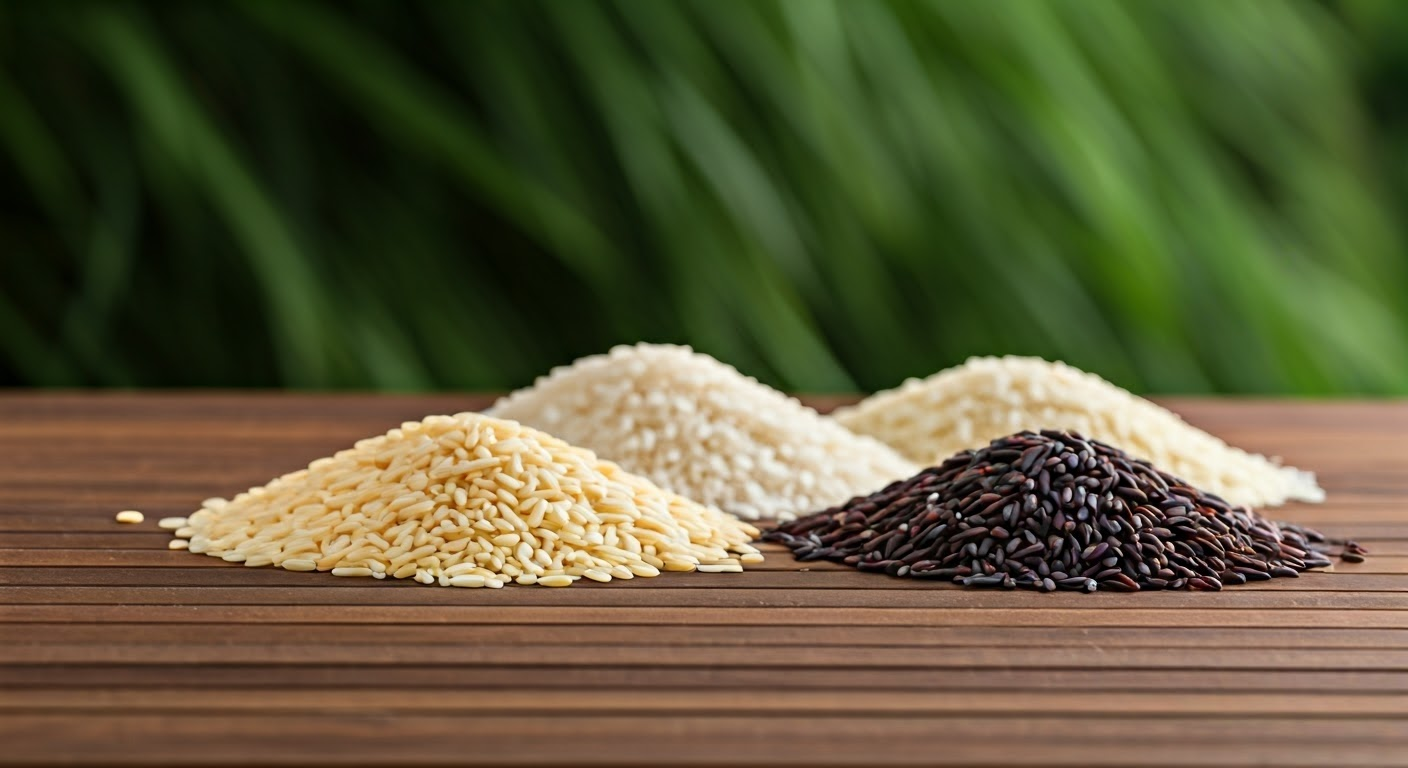 Japanese distillation is special because of a few key ingredients. Rice is very important and is often seen as sacred. It serves as the base for many traditional alcoholic beverages. This affects both the flavor and alcohol content. The quality of water also matters. It must come from clean sources to keep the process pure. Kōji-kin, a type of mold, is used during fermentation. It helps change starches into sugars. Different types of yeast are also important in fermentation. They bring the unique flavors that make Japan’s distilled spirits so famous.
Role of Rice Varieties
Choosing the right rice for Japanese drinks is very important. Certain rice types, especially those for sake, offer unique flavors and scents. The way their starch is set up really matters. High-starch rice, like Yamada Nishiki, improves the fermentation process. This results in better quality spirits. Also, the mix of protein and fat in different rice types affects the final alcohol content and texture. This choice plays a key role in the distillation process and shapes each spirit that people value in Japanese culture.
Importance of Pure Water Sources
Water quality is really important for making Japanese spirits. Soft water with minerals is good for fermentation. This helps keep the flavors strong. Water is a key part that helps create the special features of these drinks, affecting both taste and smell. Clean water sources can make the best distilleries special. This helps them stand out in a busy market. In Yamanashi Prefecture, picking the right water sources adds to the cultural value of these spirits. It links the local landscape with traditional production methods.
The Use of Kōji-kin in Fermentation
Kōji-kin is key in making traditional Japanese alcoholic beverages. This fungus turns starches in rice into sugars naturally. This change improves the drinks’ flavors. Kōji-kin also aids fermentation and gives unique smells and textures to sake and Shōchū. It is essential for maintaining the right alcohol content and smooth feel. This highlights how nature relates to production methods in Japanese society. The practice of using kōji-kin has been handed down through many generations.
Yeast Strains and Their Impact
Diverse yeast strains are very important in making Japanese spirits. Each type of yeast gives its own unique flavors and smells. This can change the final drinks, like sake and Shōchū. Some yeast strains can increase yeast activity. This often leads to higher alcohol content and a sweet taste. Other strains can add lactic acid, which makes the drink more complex. Picking the right yeast is key. It allows brewers to customize their drinks. This reflects the artistry of Japanese culture and the rich traditions of spirit making.
Traditional Japanese alcohol
The ways people make Japanese spirits have changed a lot over time. There is now a mix of traditional methods and modern ideas. Traditional methods use local yeast and kōji-kin. These connect people to their history and come from families that have passed them down for many years. On the other hand, modern methods rely on controlled settings and selected yeast. This makes the fermentation process steadier and more effective. These changes can impact alcohol content and create unique flavors in the final spirit. They also open up opportunities to discover new things in Japanese distillation.
Maturation and Aging Processes
The aging of distilled spirits is really important. It creates unique flavors and adds complexity. In Japan, distillers often use wooden barrels made from local trees. These barrels give off aromas and let the spirits mix with the wood. The aging process can change the alcohol content and flavor. The length of time and the conditions matter too. Outside factors like temperature and humidity can also affect the final drink. This shows the balance between nature and skill in making Japanese spirits.
The Craft of Tōji (Master Brewer)
Brewing is more than just steps; it tells a rich cultural story. A tōji has a deep understanding of fermentation. They blend traditional methods with respect for nature. This master brewer chooses the best rice and water. These choices help create unique flavors. Years of hard work improve their skills. They get better at adjusting temperature and ingredients when needed. This careful practice is key to making high-quality drinks that show the true spirit of Japanese culture.
Types of Japanese liquor
Japan has many different distilled drinks. The main types are sake, Sōchū, and awamori. Sake is sometimes called rice wine. It comes in several styles and different rice polishing levels. This variety makes it fit many tastes. Shōchū is made from things like sweet potatoes or barley. It can have varying alcohol content, which creates unique flavors.
Awamori is a special type of distilled spirit from Okinawa. It is made with unique production methods and natural ingredients. These aspects show the differences in Japanese spirits and their cultural importance.
Categories and Definitions
Distilled spirits in Japan are unique and reflect the country's rich history. There are many kinds, but two key types are shōchū and sake. Shōchū is made from barley, sweet potato, or rice. It usually has a higher alcohol content than regular rice wine. Sake, also called nihonshu, is a prized rice wine created through a careful fermentation process. These drinks use different ingredients that show their special qualities. They are important in Japanese society and play a big part in rituals and everyday life.
Unique Characteristics of Shōchū
Shōchū is unique because it uses different ingredients. This makes it different from other Japanese drinks. Unlike rice wine, which mainly uses polished rice, shōchū can be made from sweet potatoes, barley, or buckwheat. This choice brings out unique flavors and various styles. It also has a higher alcohol content than sake. This makes it a favorite for people who want stronger alcoholic beverages. Shōchū is cheaper to make and can be found in convenience stores across Japan. This means it is part of daily life for many people.
Japanese spirits vary by region. Each type showcases the country's natural resources and production methods. Different areas use local rice and water, which affects their flavors. , including subtle notes of green tea. For example, shōchū from Kumamoto is made from sweet potatoes. This gives it a distinct taste compared to barley shōchū found in Kagoshima. Sake from Niigata is famous for being clean and crisp, thanks to the pure water they use. Understanding these differences is important for grasping Japan's range of distilled drinks. They also play a role in the culture and social life across different regions.
Cultural Significance of Distilled Spirits
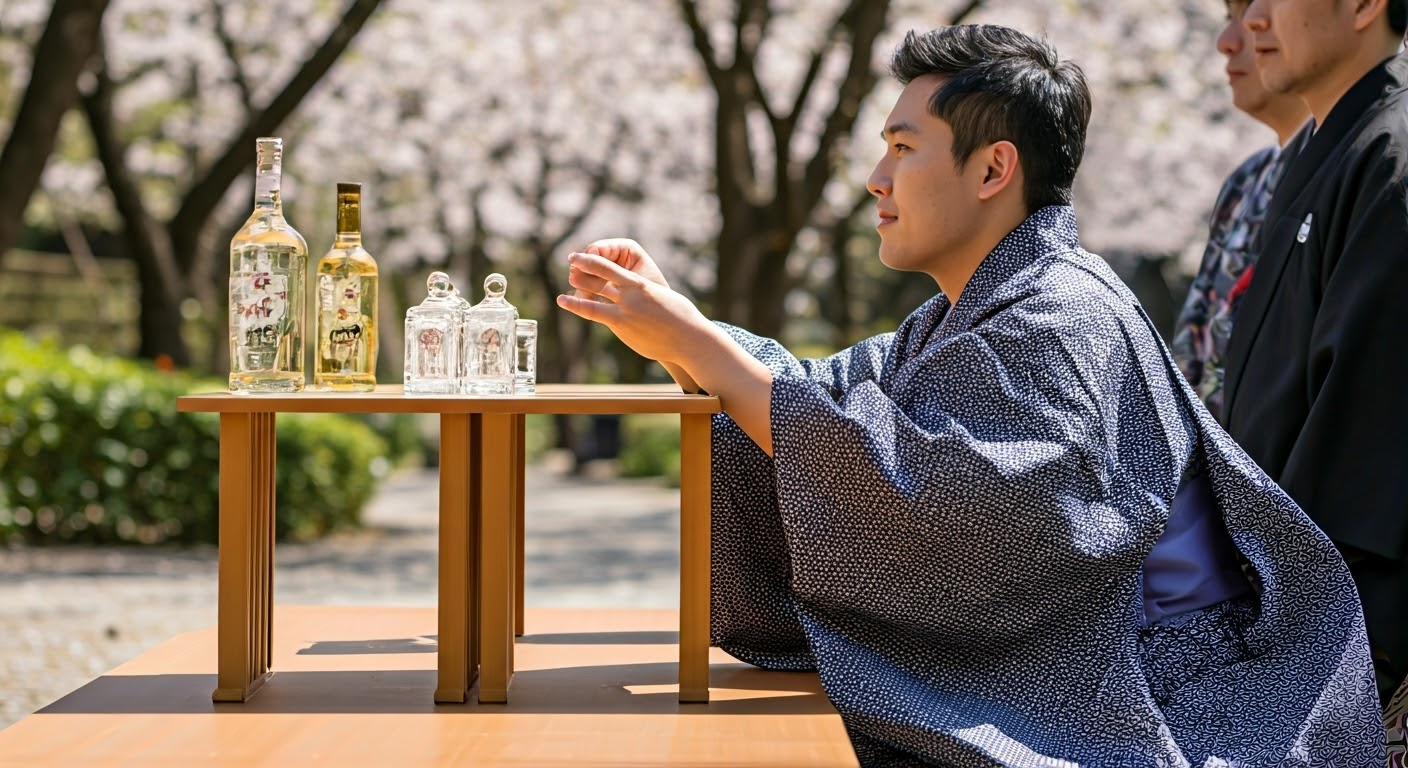
Distilled spirits are very important in Japanese culture. People enjoy them during celebrations and special events. These drinks play a big part in religious ceremonies and seasonal festivals. They stand for prosperity and unity. With different levels of alcohol content, they fit many occasions. You can find them at social events and meals. They also show the values and traditions of Japanese society. This mix of old and new drinking habits helps young people connect with older generations.
Ritual and Ceremonial Uses
Japanese culture values distilled spirits highly. These drinks are often a key part of rituals and ceremonies. They are important during religious events. The spirits symbolize purity and are given as offerings to the gods. This shows the strong link between spirituality and everyday life. At weddings, New Year celebrations, and other key occasions, these drinks play a big role in the festivities. This emphasizes their cultural significance. Drinking these spirits together also helps to build community. It strengthens social ties as people come together to enjoy cherished traditions and honor the spirit of Japanese society.
Seasonal Variations in Consumption
In Japan, what people drink changes with the seasons. This shows how important alcohol, including Japanese beer, is in their culture. In warmer months, many choose lighter drinks like shōchū and sake. These drinks go well with fresh vegetables and seafood. When it gets colder, people choose stronger drinks that have higher alcohol content. These drinks help keep them warm and feel comfortable. This change in drinking habits reflects their food tastes and social customs. These customs include local celebrations and small get-togethers with family and friends, where traditional Japanese alcoholic beverages are important.
What are the Social Implications of Drinking Culture?
Japanese drinking culture links closely to key social customs and values. Drinks like sake and shōchū are important at gatherings. They help create relationships and unite people. At big life events, rituals, and business meetings, these drinks act as social tools. They help build social harmony and friendship. The younger generation prefers drinks with lower alcohol content. This choice supports moderation and responsibility. The history of drinking in Japan shapes how people feel and act towards alcohol consumption.
Expansion and Global Influence
Japanese spirits are becoming very popular around the world. They have moved from local favorites to tough global competitors. In recent years, people have started to appreciate these unique flavors. Japanese whisky, especially, has gained fame and even won awards against well-known Scotch whiskies. As exports increase, producers are trying new production methods while still using traditional methods. This mix attracts new fans. The growth of distilled alcohol is changing how spirits are made everywhere. It highlights the complex production methods and rich history in every bottle. In the end, the blend of Japanese culture and craftsmanship appeals to people everywhere.
Growth of Japanese Spirits in International Markets
The growing popularity of Japanese spirits is changing how people view these traditional drinks. Many people around the world now want unique flavors. Because of this, shōchū and sake are appearing in several fancy restaurants and bars. These spirits are appealing to whisky lovers seeking something new. Marketing that focuses on their cultural authenticity works well, especially in the United States and Europe. Working with famous chefs also helps these drinks get more attention. In North America, convenience stores are beginning to sell these spirits too. This adds to the drinking culture and helps boost exports. This change shows larger trends in drinking and where the world is going.
Influence on Global Distilling Techniques
The influence of Japanese distillation on the world is big and has spread far. The old methods show great skill and attention to ingredients like rice and clean water. These practices have impacted distillers everywhere. They use a unique fermentation process that involves certain yeast strains and kōji-kin. This makes the quality of distilled drinks better. In recent years, mixing these traditional methods with modern technology has changed whisky consumption. It has also introduced new ideas to global markets, highlighting the fantastic flavors of Japanese spirits.
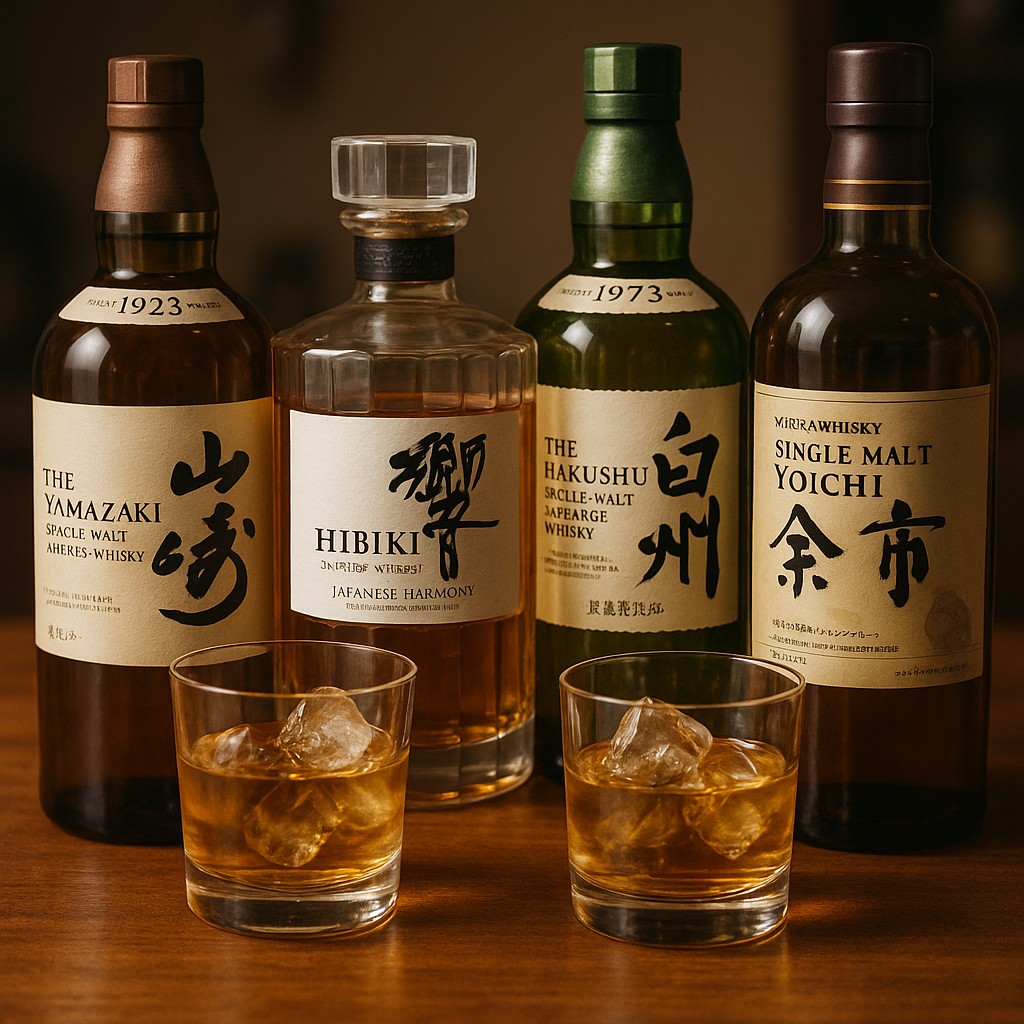
The Future of Japanese Distillation
Today, a younger generation of distillers is blending old and new. Craft shōchū is being exported abroad, while boutique whisky houses are experimenting with Japanese oak (mizunara), rare peats, and unconventional grains. The future of Japanese Spirits and distillation lies not in chasing Scotch or bourbon, but in deepening its own traditions.
The journey into Japanese distillation is full of tradition and new ideas. It has unique flavors from important ingredients like different types of rice, clean water, and special kōji-kin. As these Japanese alcoholic beverages grow popular around the world, they are changing how drinks are made in other places. This mix of old and new shows the importance of Japanese culture and its special role in distilling. In the end, exploring these spirits is all about celebrating heritage and modern life.
What are the most popular types of Japanese spirits?
The most popular types of Japanese spirits include sake, a fermented rice beverage; shochu, a distilled spirit made from various ingredients; and umeshu, a sweet plum wine. Each offers unique flavors and experiences, reflecting Japan's rich cultural heritage and craftsmanship in spirit production. Enjoy exploring these delightful beverages!
Subscribe to our Mailing List!
Stay in touch with the exciting! Join our mailing list to be one of the first to find out about new news and events. We will send you special content just for you. This includes information about events, new wine releases, and tips to make your visit to wineries, breweries, and distilleries even better. By joining our mailing list, you can access valuable information and exclusive deals. This keeps you ready for your next unforgettable trip. Your subscription is free. Sign up