

The Oregon wine industry is located in the beautiful Oregon’s Willamette Valley Wine Region and other areas. Today, it is recognized all over the world and is especially known for its superb Pinot Noir and its focus on protecting the environment. Oregon has a rich history along with fresh ideas and a strong respect for the land. What started as a small effort has earned global recognition. The story of Oregon wine reflects a love for winemaking, hard work, and the desire to be the best.
History of Oregon Wines - The Pioneers
The history of Oregon Territory wines goes back to the mid-1800s. Before it became a state, pioneers noticed that the land was great for growing grapes. These settlers worked very hard. Their effort helped create a strong wine industry.
One important person was Henderson Luelling. He came to the Territory in 1847. He brought several fruit plants, and this included the first grapevines. This began a long and successful journey for the Oregon wine industry.
The first vineyards and wine production in the 1800s
In the 1850s, the first winery in the northwest was founded. A Swiss immigrant, Peter Britt, began the Valley View Vineyard in Jacksonville. He played an important role in starting a successful wine industry. In the early days of wine production, they used both American grapes and European grapes that settlers brought along.
As the 19th century continued, more people showed interest in winemaking. This included the well-known Walla Walla Valley AVA. A German immigrant named Adam Doerner made a big difference by starting a vineyard in the Umpqua Valley AVA in the 1880s. He focused on growing Zinfandel, Riesling, and Sauvignon grapes.
The Doerner vineyard is still a family-owned business today. It shows the rich wine-making history that Oregon has.
History of Oregon Wines the Impact of Early Settlers
The early settlers who traveled the Oregon Trail for a fresh start greatly influenced the state's wine industry, particularly in Southern Oregon. They brought their adventurous spirit, farming skills, and a desire for high quality. Oregon’s winemakers, including Peter Britt's Valley View Vineyard, are close to the end of the Trail. It showed that the area’s climate and soil are good for making wine. In 1904, a winemaker named Ernest Reuter, from Forest Grove gained fame. He won for wines comparable to Tualatin Estate Vineyard, winning a silver medal for his excellent Riesling at the St. Louis World's Fair.
The story of winemaking in Oregon began in the 1800s. A Swiss immigrant named Peter Britt, who established the Northwest’s first winery, was the first person to plant wine grapes there. He came to Jacksonville in the 1850s. In 1858, he started the Valley View Vineyard. Although Britt's winery did not last for a long time, his efforts helped those who became winemakers later.
Britt put in a lot of effort, but the wine industry still suffered for many years. This was mainly due to Prohibition, which went from 1919 to 1933. It had a big effect on the young industry. After Prohibition ended, the recovery took a long time. For several years, the main products were fruit wines and fortified wines until the 1960s.
Prohibition and Its Aftermath: A Challenge for Winemakers
Strict laws about making and selling alcohol have hurt winemakers. Many vineyards have faced problems, and wineries can’t serve their customers. This has made it difficult for the industry to grow. A few smart people have found ways to get through this tough time. Their hard work has helped some vineyards stay open. This gives a bit of hope for the future of the industry.
The strict laws against alcohol have hit the vineyards in Oregon hard. An industry that used to be successful stopped suddenly when it became illegal to make, sell, and distribute alcohol. Many local vineyards, where farmers put in years of hard work, are now empty or have changed to growing other crops.
Strategies for Survival
Winemakers came up with smart solutions during Prohibition. In the Umpqua Valley, some started making sacramental wines because these were legal for church use. Others made homemade wines to help their neighbors. This helped keep the winemaking tradition alive. Their strength and wise decisions were important when Prohibition ended in 1933. The industry then began to slowly recover and grow again from scratch.
Revival and Renaissance: 1960s-1980s
After Prohibition ended, the Oregon wine industry started to grow again, but it was slow at first. A big change happened in the 1960s. This time was full of new ideas and progress. Inspired pioneers, who had knowledge about winemaking, saw the great potential in Oregon's unique land.
Introduction of Pinot Noir and other varieties
Winemaker Richard Sommer, a graduate of the University of California, was one of the first to grow Pinot Noir in the Umpqua Valley. However, David Lett really changed things in the northern Willamette Valley. In 1965, he planted Pinot Noir in the Willamette Valley. He saw that the cool climate and volcanic soil were perfect for this grape.
Pinot Noir is not the only grape thriving in Oregon. Other grapes, such as Chardonnay, Pinot Gris, Riesling, and Pinot Blanc, are also doing very well. Winemakers are trying out new grape clones and different farming methods. They mix traditional European practices with the special climate of the Pacific Northwest.
The History of Oregon Wines - Key Figures in the Industry
The growth of Oregon wines began with a few passionate people. They took risks and broke traditions, shaping the wine industry we enjoy now. David Lett's work with Pinot Noir at Eyrie Vineyards made Oregon known in the wine world.
Dick Erath saw a chance in the Dundee Hills. He started his own winery and gained fame for his Pinot Noirs and focus on sustainability. Myron Redford and Nancy Ponzi, who co-founded Ponzi Vineyards, played a key role in this as well. She helped set up the Willamette Valley Wineries Association.
Many people try hard to promote Oregon wines. They work as a team and try new ways to make wine. Their main goal is to keep the quality high. Thanks to their effort, Oregon has a strong wine industry now.
Expansion and Recognition: 1990s Onwards
 The 1990s were an important time for the wine industry. People all over the world began to notice and admire the great quality of the wines. The Oregon wine industry cares about sustainability and the environment. Winemakers work as a team. This teamwork helps them create high-quality wines and fosters new ideas.
Technological advancements in wine production
Today, modern wineries have good tools. These tools help to maintain the right temperature during fermentation. They also use gentle pressing techniques and have better filtering systems.
Oregon winemakers use tools to monitor their processes when making wine. This helps them create wines that taste great, have the right balance, and show the character of their region. They work hard to save water and use solar power in their wineries. These winemakers really care about protecting the beautiful environment. Their focus on being eco-friendly helps them produce high-quality wines.
Oregon wines on the global stage
Oregon wines have received numerous awards in leading wine contests around the world. , including prestigious events like the International Wine Competition. This boosts the state's reputation for producing excellent wines. A prime example is the International Pinot Noir Celebration. At this event, Oregon wines have impressed both experts and wine enthusiasts.
Here are some examples of good Oregon wines:
|
Competition |
Wine |
Award |
|---|---|---|
|
International Wine Challenge 2020 |
Domaine Serene Evenstad Reserve Pinot Noir 2018 |
Gold Medal |
|
Decanter World Wine Awards 2019 |
Eyrie Vineyards Pinot Noir 2017 |
Platinum Medal |
|
International Pinot Noir Celebration |
Big Table Farm Pinot Noir 2016 |
Best of Show |
These achievements highlight the hard work, skill, and dedication to quality that keep Oregon's wine industry vibrant, as recognized by Wine Spectator.
The story of winemaking in Oregon has gone through several changes. It began with brave pioneers who planted the first vineyards. Today, Oregon is famous worldwide for its quality wines. This growth proves that hard work and paying attention to detail in winemaking can lead to great success. Now, people from many places enjoy Oregon wines.
Oregon is now seen as one of the top places for wine in the world. It has a long history of making wine that lasts over a hundred years. The state enjoys a cool climate and has various types of soil, making it great for growing grapes. There are many dedicated winemakers here. Oregon is known for its good Pinot Noir.
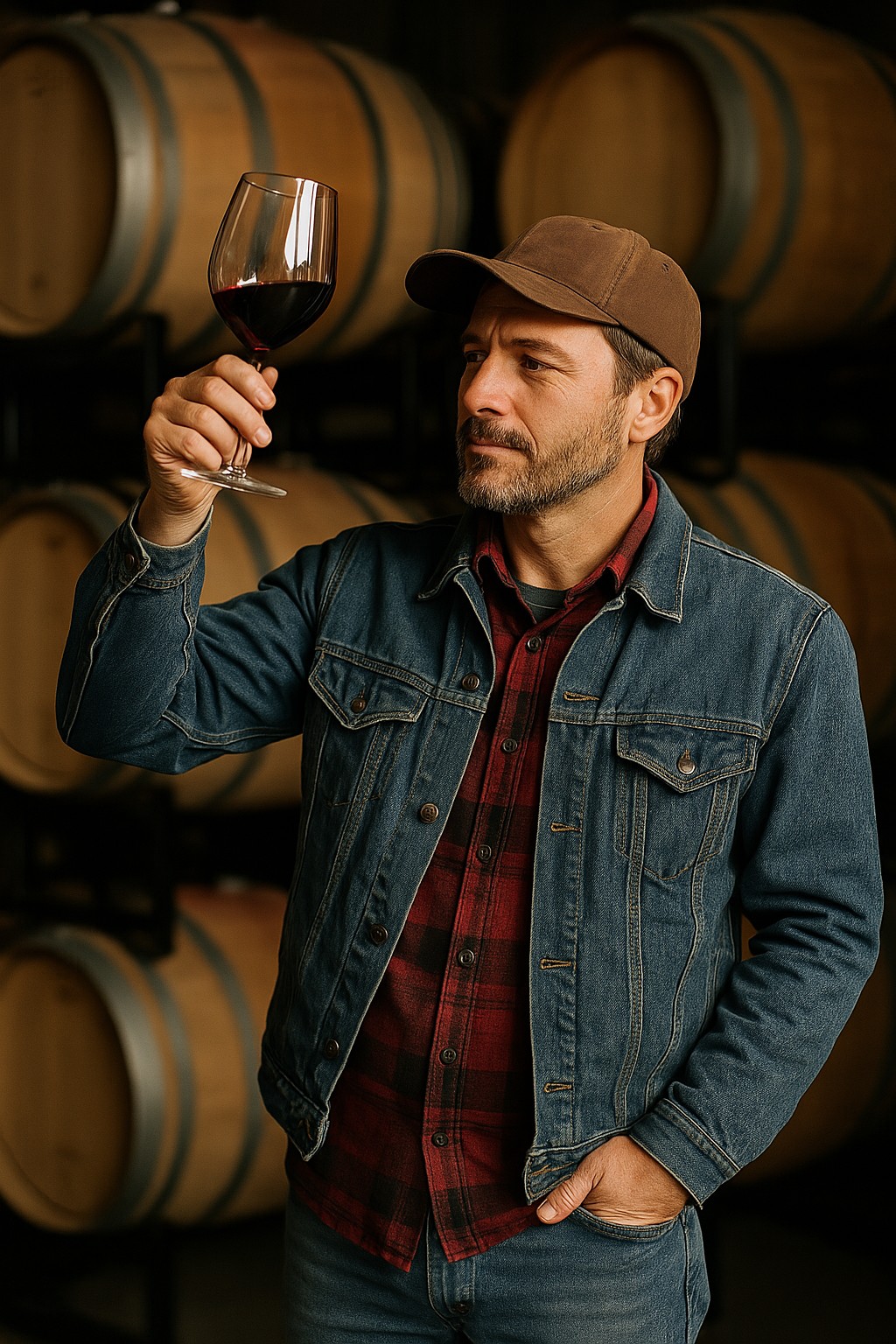
The Modern Revival: Pioneers of Pinot
The real development of Oregon wine began in the 1960s. A few creative winemakers led the way. Important names were David Lett, Charles Coury, and Dick Erath. They believed that Oregon's cool climate was ideal for growing Pinot Noir. This grape is tender and needs specific conditions to thrive.
-
David Lett, known as "Papa Pinot," planted the first Pinot Noir vines in the Willamette Valley in 1965. He started Eyrie Vineyards in Dundee. His South Block Pinot Noir from 1975 impressed the wine world. It was ranked among the top 10 in a blind tasting in Burgundy in 1979. This changed how people saw Oregon's skill in winemaking.
-
Charles Coury studied growing grapes in Alsace, France. He brought several cool-climate grape types to Oregon. He stressed the importance of picking the right site and grape varieties.
-
Dick Erath was also important in the wine industry. He founded Erath Winery in 1967. He made key progress in clonal research and development in Oregon.
These early leaders, like David Adelsheim, Susan Sokol Blosser, and Bill Blosser, played a key role in creating a wine culture that emphasized quality. They put sustainability first and respected the special features of the land.
Expansion and Recognition
Oregon's wine industry grew a lot during the 1980s and 1990s. The Willamette Valley vineyards became the main area for wine production in the state, known for its diverse varieties of grapes. In 1984, they created the Willamette Valley AVA (American Viticultural Area). This was the first of the 23 AVAs found in Oregon.
The 21st century has had quick growth. By 2024, Oregon will have more than 1,000 wineries and over 40,000 acres of vineyards. The state is well-known for Pinot Noir, which is more than 59% of the grapes grown there. Other types of grapes are doing well too.
-
Pinot Gris
-
Chardonnay
-
Riesling
-
Syrah
-
Cabernet Sauvignon
-
Tempranillo
-
Gamay Noir
-
Albariño
Oregon makes around 4 million cases of wine each year. A lot of this wine is shipped to other states and countries. Many wine magazines give high scores to Oregon wines. They are seen as just as good as the top wines from places like California and Burgundy.
Outstanding Winemakers and Iconic Wineries
Oregon is home to many talented winemakers and well-known producers. Their wines are highly regarded. They have earned recognition in the U.S. and across the globe.
1. Domaine Drouhin Oregon (Dundee Hills)
Domaine Drouhin began in the late 1980s. It was started by the well-known Drouhin family from Burgundy. , specifically the Maison Joseph Drouhin. They played a big part in making Oregon Pinot Noir famous worldwide. Their wines, especially the Laurène Pinot Noir, are celebrated for their balance and ability to age well.
2. Eyrie Vineyards (Dundee Hills)
Eyrie started with David Lett and is famous for making wine in Oregon. Their South Block Reserve Pinot Noir and smooth Chardonnay raise the standard for this area.
3. Cristom Vineyards (Eola-Amity Hills)
Cristom makes small-batch Pinot Noir using special, natural methods. They craft wines from individual vineyards, such as Jessie, Louise, and Eileen. These wines receive great praise. People really like them for their rich feel and one-of-a-kind taste.
4. Beaux Frères (Ribbon Ridge AVA)
Beaux Frères was founded by Michael Etzel and Robert Parker, a famous wine critic. They want to make wine while keeping its natural taste intact. Their goal is to create Pinot Noir that genuinely reflects the region. A special wine they are known for is their Upper Terrace Pinot Noir, which many people love.
5. Bergström Wines (Dundee Hills)
This winery is managed by a family. They use biodynamic farming. The family grows their own fruit right on their property. Their Sigrid Chardonnay and Le Pré du Col Pinot Noir are considered some of the best wines in Oregon.
6. Antica Terra (Eola-Amity Hills)
Antica Terra, led by the skilled winemaker Maggie Harrison, aims to reach new levels in making Pinot Noir, Chardonnay, and Rosé. They focus on creating rich and complex flavors.
7. Evening Land Vineyards (Eola-Amity Hills)
The Seven Springs Vineyard is a great spot for wine lovers in Oregon. Winemaker Rajat Parr and his team create delicious Pinot Noir and Chardonnay. Their wines take inspiration from the style of Burgundy.
Looking Ahead
Oregon's wine industry has really grown. It began as a small affair and is now recognized worldwide. New winemakers are experimenting with various types of grapes. They are also exploring new regions like Rocks District and Umpqua Valley. Their goal is to help the environment and enhance the quality of wine.
Frequently Asked Questions
What is considered the best vintage year in Oregon?
Choosing the "best" vintage of Pinot Noir depends on your taste. A few great years for Oregon Pinot Noir are 2012, 2014, and 2016. These wines have fresh fruit flavors and a good amount of acidity. They also get better as they age.
What are the most awarded Oregon wineries?
Some great wineries are Eyrie Vineyards, Domaine Serene, and Beaux Frères. These spots are famous for their amazing Pinot Noir grapes. They have received many awards. You can find a full list of these award-winning wineries at the Willamette Valley Wineries Association.