
A Wake-Up Call for U.S. Wineries
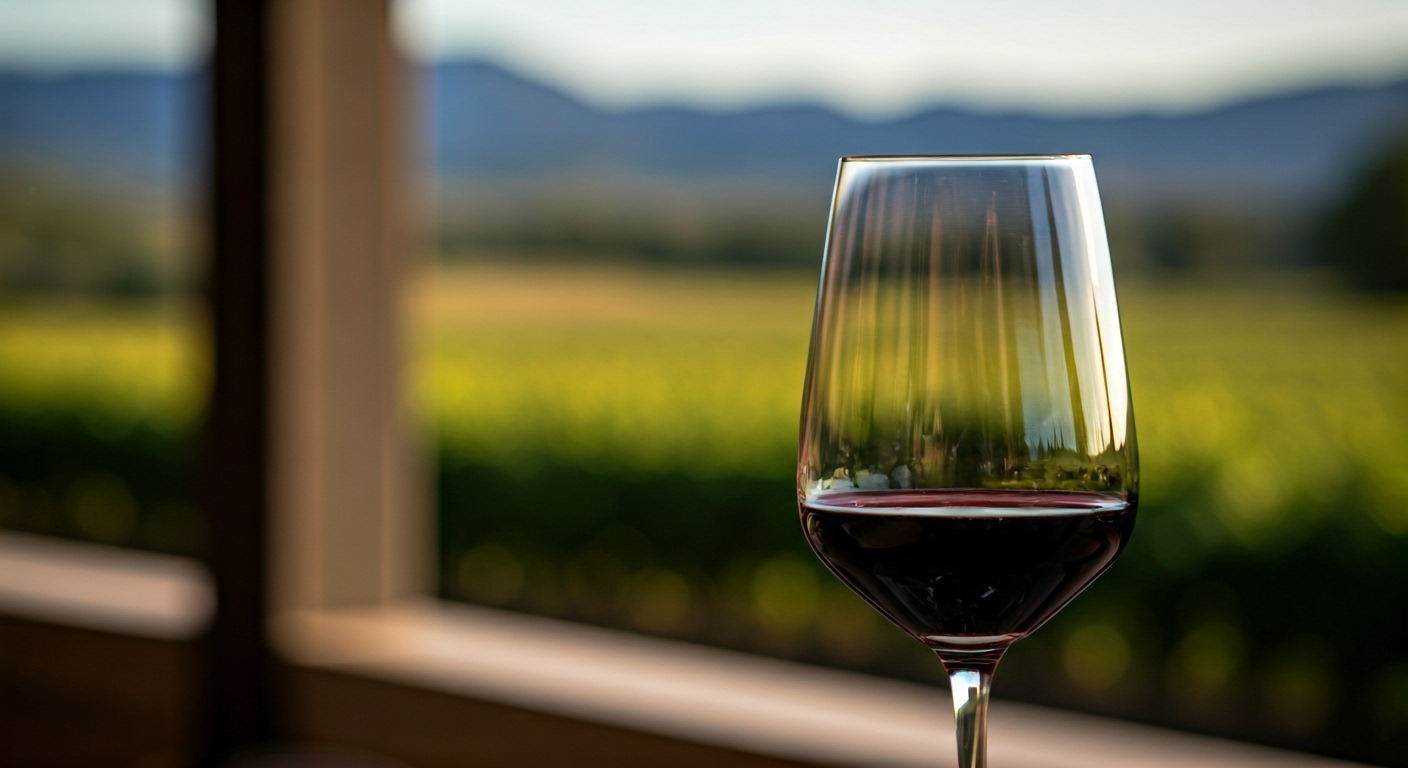
Across the hills of Napa, the valleys of Oregon, and the backroads of Virginia, winery tasting rooms are noticeably quieter than they were just a few years ago. Once-bustling weekends are now scattered with open tables, and tourism dollars that used to flow like Pinot Noir in high season are drying up. The wine tourism decline is real — and it’s a growing concern for wineries nationwide.
For California, the nation’s wine epicenter, this shift hits especially hard. But the effects are rippling through Oregon, Washington, New York, and Virginia as well — all states with thriving but vulnerable wine industries. What’s behind this downturn? And more importantly, what can be done?
Before we go on ....Share your thoughts with us
How is your winery navigating this trend, and what ideas do you have for bringing visitors back? Let’s keep the conversation flowing — the future of wine tourism depends on it.
The Perfect Storm of Challenges
Economic Headwinds
Rising costs of travel, lodging, and dining have changed how people vacation. Inflation has tightened discretionary spending, and a weekend of wine tasting has become more of a luxury than a casual escape. According to a 2024 Wine America report, winery visitation is down an average of 12% nationally compared to 2019.
Changing Consumer Behavior
Today’s travelers — especially millennials and Gen Z — are increasingly drawn to experiential travel that offers novelty, diversity, and a story. While the classic tasting room format still holds charm, some younger visitors see it as predictable. Meanwhile, craft breweries, cider houses, and distilleries have seized the moment, offering immersive tastings, music, and food trucks that feel more like festivals than flights.
Climate Impact on Vineyards
Wildfires, drought, and erratic weather have not only impacted grape harvests but also traveler perceptions. Some tourists are wary of visiting regions affected by smoke or dry, hot conditions. And when a region’s scenic beauty is part of its draw — as it is in Sonoma or the Finger Lakes — environmental stress leaves a visible mark.
Market Saturation and Messaging
The U.S. now has over 11,000 wineries, and the message — “come taste our wines” — is getting lost in the noise. Without unique storytelling and standout experiences, many wineries are struggling to differentiate themselves in a crowded market.
A Call for Innovation and Collaboration
To weather this downturn, wineries may need to adapt not just what they offer — but how they communicate it.
1. Create Story-Driven Experiences
Offer guests something beyond the tasting flight. Vineyard hikes, blending sessions, food pairings with local chefs, or behind-the-scenes access can transform a visit into a memory. Show visitors why your place is worth the trip.
2. Collaborate Regionally
Partner with neighboring wineries or other local businesses to offer package experiences. Regional wine trails, shuttled tours, and cooperative marketing can amplify visibility and make it easier for guests to plan a weekend around your region.
3. Target Your Messaging
Update websites, social media, and newsletters to speak to the evolving interests of modern travelers. Focus on authenticity, sustainability, and connection — values that resonate with today’s wine explorers.
4. Listen to Feedback and Share Ideas
Engage with peers through organizations like Wine America, the California Wine Institute, or your state’s wine board. They often provide access to market research, grant programs, and tourism strategies that can help wineries stay competitive.
What’s Next for American Wine Tourism?
The American wine industry is having a tough time right now because fewer people are visiting wineries. In the past, wine country in the United States was busy, and many people wanted to visit. Now, fewer people are going. The wine country is trying to find new ways to bring in visitors as people’s tastes keep changing. Many wineries feel the pressure to change what they do. There are many things causing this problem. Money is tight for a lot of people, the types of people who visit are changing, and more people are choosing to drink other things instead of wine. Because of these reasons, wine country tourism is not as strong as it used to be. The question is, how did the wine industry get here? Now, let's look at what is causing this problem for the American wine industry.
Understanding the Decline in American Wine Tourism
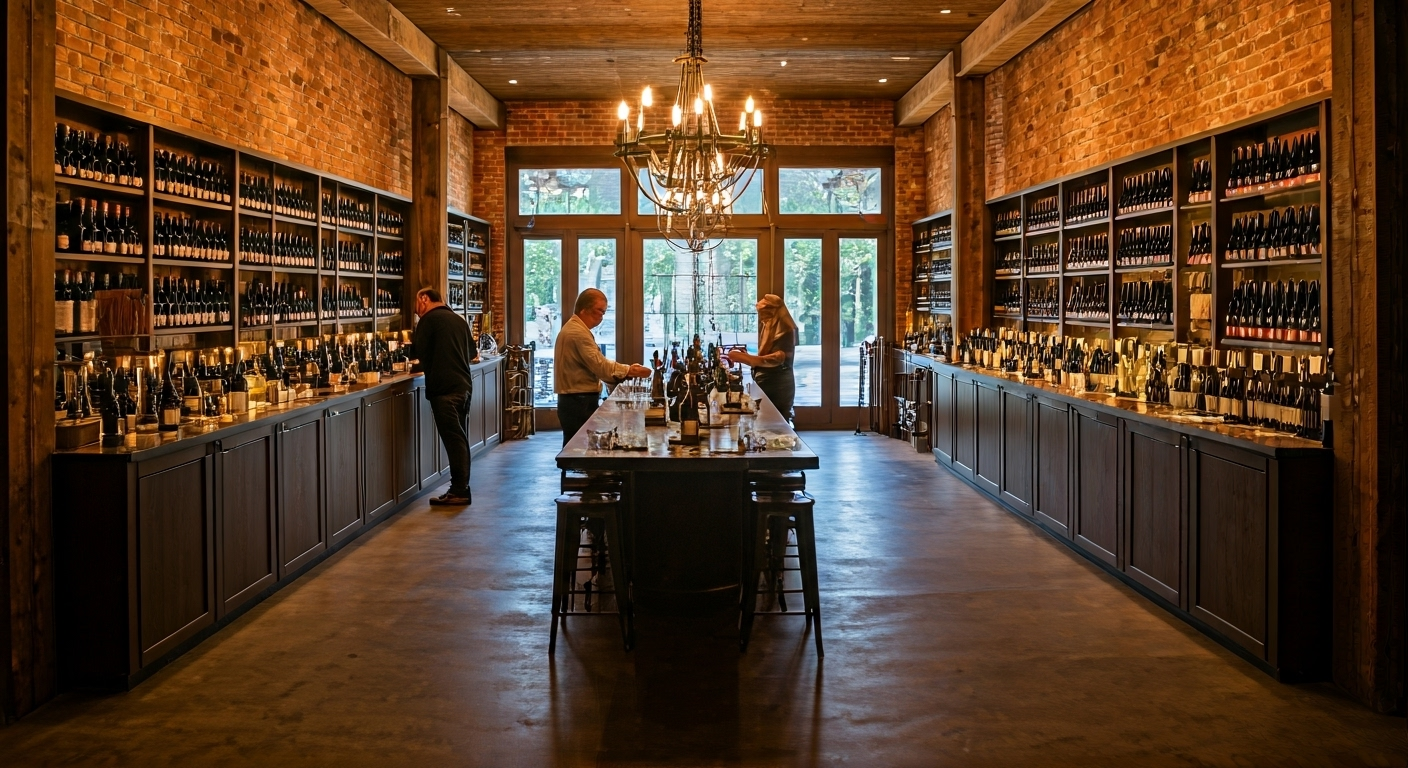 The drop in wine country tourism in America is because of a mix of problems in the wine industry. Money worries, what is left from COVID-19, and changing what people care about are all making things hard. Wineries that used to bring in many visitors now see fewer people. This is causing their money to go down.
Another problem comes from changes in who drinks wine. Younger drinkers now want other things to do and try different drinks. So, the old way of doing business in the American wine industry is under more pressure. The people making wine in wine country need to come up with new ideas. If they do not, they may not grow.
Recent Trends and Statistics Impacting Visitor Numbers
Recent years have shown a tough time for wine tourism. Many wineries in places like Napa Valley have had to close their tasting rooms and let some people go from their jobs. They also have to deal with fewer visitors coming in. This struggle in the wine industry is getting a lot of attention. The 2025 “Wine Market Report” by BMO says that direct-to-consumer wine sales, or DTC, have been very important. DTC gave about 56 percent of all U.S. wineries’ income.
|
Year |
Wine Volume Sales |
Revenue ($B) |
|---|---|---|
|
2022 |
Declined 2.1% |
$102.0 |
|
2023 |
Declined 3.3% |
$107.0 |
|
2024 (Q1) |
Increased 0.4% |
No Data Available |
Even though dollar revenue is up, these wineries find it hard to get people to come back to tasting events. For example, Napa Valley is still seeing about 10% fewer visits when we compare the numbers to before the pandemic. All this shows that the winemakers have a big job ahead if they want to bring their customers back and improve wine sales in Napa and other areas.
How the COVID-19 Pandemic Reshaped Wine Travel
The COVID-19 pandemic changed wine tourism in the United States in many big ways, not just in terms of health. In Napa Valley, it became very hard to bring visitors back into tasting rooms. The cost of things like travel and staying at hotels went up. To deal with this, many wineries began to use direct-to-consumer methods, like DTC wine shipments. These DTC shipments reached their highest point in 2021 with 8.5 million cases, but by 2024, the number dropped to 6.4 million cases.
Sandra DeMaria from Ehlers Estate said tasting rooms still play a key role, even though they are not cheap. They help turn casual drinkers into buyers. Because fewer people from outside the United States were coming to visit, Napa started programs like Napa Neighbor. These gave special deals to locals which helped to keep people coming in despite prices being so high in places like Napa. There were not as many guests, but people spent more time at one winery instead of moving around. This shows a change in how people experience wine tasting now. The events from the last few years have brought the wine tourism industry in the United States to a very important point.
Economic Factors Driving the Downturn
 Economic pressures are a big part of why wine country tourism is going down. Many wineries are trying to deal with higher prices from inflation, like more expensive transportation and places to stay. These costs also change how much people want to spend. Because of inflation, there is less demand, and this can lower wine sales.
There are also other problems, like tasting fees going up. The average price for a tasting is now $38, which is twice as much as before COVID-19. Jackson Family Wines and some others say that to get more money, they need to work on making wine country and tasting more affordable. These wine producers also want to find new ways to meet current demand. All these money issues are forcing wineries to find ways to adjust or they may keep seeing drops in wine sales and wine country tourism.
Rising Costs for Wineries and Tourists
Costs keep going up, so wineries and the people who visit them are having to rethink how they spend their money. Tasting fees have almost tripled since 2012. Now, the average fee is about $38. If you go for a reserve tasting, you might pay nearly $72. At Jackson Family Wines, some workers have lost their jobs. This shows that these rising costs are a problem from making wine to selling it to us.
Places like Napa Valley are now starting programs to help with these high prices. For example, there’s the Napa Neighbor program. DeMaria said that even with lower income, giving discounts got more people to come back and bring friends. But people coming from outside the country is still more than 10% lower than before the pandemic. This makes things harder for everyone local. In Lake County, some wineries dropped their tasting fees, but they still see about 15% fewer visitors than before. When you add up rising costs for getting there and staying overnight, it makes it tough to enjoy a Napa tasting trip. Because of that, American wine tourism is not as strong as it used to be.
Inflation’s Effect on Leisure Spending
Inflation is changing the way people in America spend their free time. It has a big effect on wine consumption, too. Many have less money for things they want, like going on wine tours. At the same time, wine prices keep going up. The “Wine Market Report” found that there is a clear drop in buying wine that costs less than $12. This just makes the problem worse.
Wine at stores costs more and more. It is getting harder for people to buy it. Wines in the $11 to $25 range are holding up a bit better, but more expensive bottles are not selling well. Inflation is the main reason. The way people are now spending less on leisure puts pressure on the whole wine industry. Owners of wineries are trying hard to make up for this lost interest and sales.
This trend looks the same in other parts of the wine industry around the world. Mike Veseth, who studies this market, says the wine industry now faces more and more people choosing other drinks instead. Because of this, wine does not get as much of people’s free time or money. Because of these changes, those in the wine business must try new ideas if they want to keep their customers and be a big part of the hospitality industry.
Demographic Shifts and Changing Consumer Preferences
Younger consumers are now shaping wine tourism in the United States. Many Millennials and Gen Z like to try new and different drinks. Because of this, wineries need to change their old ways. This group is making a big difference in the wine sector.
Younger drinkers want more than the usual choices. Many of them look for unique wine clubs or like to try other new drinks. The wine sector now has to change and offer things that appeal to this group. Young people today want great experiences. They also care about things like the planet and true, real products. They do not just follow old rules or stick with one way. Because of this, the wine sector in the United States will need to keep finding new ways to keep up with what younger consumers want.
The Millennial and Gen Z Approach to Wine
Millennials and Gen Z are changing the way people drink wine. You can see this shift in the wine industry now. These younger drinkers want things that are easy, new, and not too expensive. They do not care much about building big wine cellars or joining the usual wine clubs. Right now, Gen Z is making up five percent of wine club money. This shows that they are becoming more interested in wine, mostly with flexible options.
Charles Krug winery came up with new subscription services. They are trying to meet what people now expect from their shopping, like what you get from Amazon. They let you choose what you want and get personalized packages starting at $23. Other wineries, like Bedrock Wine Co., focus on telling people about their wines through the industry network. They have seen more people take part when there are no strict club rules.
Minna Industries found that 70% of millennials and Gen Z shoppers like to get their wine through subscriptions. This makes getting wine easier, and it fits with how people are changing their drinking habits. Younger drinkers today also want good experiences from wineries, not just a drink. So, if a winery wants to do well now and in the future in the wine industry, it needs to adjust to these new ways.
Competing Beverage and Experiential Trends
The wine sector is now competing with other drinks and fun trends that are taking people’s interest away from classic wine country spots. People’s tastes are changing and now you see:
-
Craft cocktails and beer are now very popular, and many people like to have them when out with friends.
-
Virtual mixology and new wine-based cocktails are going up, even more so after COVID.
-
People want activities outside the tasting room now, like hiking through vineyards or even going ziplining.
-
Modern alcohol-free choices are pulling in younger folks who want something different to drink.
In industry news, you will see that what’s important to people is always shifting. American wineries watch big changes that push them to rethink how they handle wine sales. The younger crowd and anyone who loves new experiences no longer want just old wine country standbys. Producers now have to try new things, not just vineyard tours. Giving people cool new drink choices or special regional experiences is more important than ever if they want to keep up with all this strong competition in what people drink and do.
Evolving Expectations for the Winery Experience
Today's winery experiences need to grow, as people want more than just the usual wine tastings. Younger visitors now look for fun, hands-on activities and real chances to see what happens at the vineyard.
Wineries work hard to turn their spaces into places full of great and lively times. They invite guests to try special tastings or walk around the vineyard. Meeting these high hopes is important for any winery. This helps them keep their place in the fast-changing American wine industry.
Demand for Unique and Interactive Offerings
Interesting and different things are drawing more modern wine tourists. Wineries all over the country are seeing that mixing fun, learning, and tasting brings people in and gets them involved.
Shannon Landis from Andis Wines thinks the same way. She has started calling their spaces places where you can do many things. There are focused tastings in Amador County, and these have made people stay longer and have also helped wine sales. In Napa Valley, people spend more time at wineries now because of things like meeting the winemaker.
Some places, like Walla Walla in Washington, are trying out new ideas. They now stay open later on Wednesdays and serve dinner with wine by the glass. These new ways help show that wineries can still bring in new people and offer more choices. By giving guests special and fun times, this makes more people come in the door and like what is being offered. This is really important for wine sales and tasting, especially in Napa and other places during tough times for the industry.
The Role of Sustainability and Authenticity
Sustainability is more than a new trend. It is a big part of how the wine industry in California grows. Some wineries, including Bedrock Wine Co., now use eco-friendly ways to work with the land. At Rob Sinskey Vineyard, they focus on Earth-friendly farming.
It matters a lot that these actions are real and true. People who come to visit want honest moments. They want to see the work in the fields and how these wine producers care for the Earth. Clear and open labels on bottles also help visitors know what goes into what they are drinking. Because climate change makes things harder and costs go up, changing how wine is made can help. It can help the planet and makes each trip to a winery better for the guest.
Being true makes people feel closer. This connection helps the vineyard stay strong, even if fewer people travel overall. With special climate-smart ideas and working within their own towns, California wineries show new ways to do things. These steps are helping set up the american wine industry for a good future.
Strategies Wineries Can Use to Revive Tourism
Getting people back to wine tourism means trying new things. Wineries should use fresh digital marketing, like online tastings, to reach more people. Working together with other local spots helps bring more visitors to the area.
Wineries can build trust and reach more people when they use wine business analytics and come up with new partnerships. Direct-to-consumer sales stay important to make money. Using new ways to connect with customers is key for wineries to get through changes in today's wine consumption.
Leveraging Digital Marketing and Virtual Tastings
Digital marketing is now key for wineries that are not doing well. Wineries can use things like virtual tastings and direct-to-consumer (DTC) sales to bring in Millennials and Gen Z buyers. These younger people like new technology, so they are open to new online ways of tasting and buying wine.
Sandra DeMaria points to Napa Valley as a place where virtual tasting shows have done very well. She says DTC sales are still the main way for wineries in Napa to keep up with new trends. In the BMO Report, it is shown that online tips and reviews help keep people ordering more wine over time. This is because simple online platforms make it easy to buy wine.
The trust people have in shopping online is backed by analytics from the industry. This trust helps bring in more money over the years. If a winery uses email offers, videos, and other digital tools, virtual tastings can keep DTC sales growing. This is important for wineries in Napa, where the economy can be tough some years. The BMO Report supports these ideas and shows how valuable these digital tools and tasting experiences can be.
Collaborating with Local Businesses and Regional Attractions
Collaborations bring more people in by making stronger connections with the local area. Partnership plans give people more things to do in their day. You can go on outdoor adventures and easily move from one place to another, like between wineries close to each other.
Sandra DeMaria points out that working with groups in the region makes trips to Napa-based Vinewood Resorts special. She says local winery chains, driven by success and recommendations, have a big place in California and stand out in reviews. Building things together helps keep getting new and returning customers. It also makes both local and world travel to special winery places more common, which makes it easier to compete worldwide while also giving something special in the USA with strong promotions.
Strong partnerships that cover a lot of ground help tourism move forward. These relationships show why Napa is always popular, with new visitors making good memories that boost the area's energy and change things in new ways. Unlike slow or stuck methods, these partnerships grow the economy a little at a time but have a big effect. The goal is to balance local teamwork and fair business without getting stuck in old ways, making sure Napa and California wineries stay on top.
Conclusion
Addressing the drop in winery tourism needs more than one way to fix it. The wine industry has to keep up with changing tastes and the new needs of younger consumers. Making the tasting room experience better and adding new types of programs can bring back interest in wine. This also helps lift wine sales. By using wine business analytics, a winery can use good data to understand what people want today. It lets them make choices that match current demand well. As industry professionals deal with these things, it is key to keep wine country tourism attractive. Helping people enjoy their visits even more will be good for both customers and the sector as a whole. This is how the wine country and wine sales can get a boost again.
The drop in winery visits may be sobering, but it’s not irreversible. The American wine industry has faced droughts, recessions, and wildfires before, and has come back stronger. The key is recognizing the shift in time and adapting before the quiet weekends become the norm.
Share your thoughts with us
How is your winery navigating this trend, and what ideas do you have for bringing visitors back? Let’s keep the conversation flowing — the future of wine tourism depends on it. Send us your thoughts to our email, info@cacorks.com
Have you subscribed to our Newsletter?
Stay in touch with the exciting! Join our mailing list to be one of the first to find out about new events. We will send you special content just for you. This includes information about upcoming events, new wine releases, and tips to enhance your visit to wineries, breweries, and distilleries. By joining our mailing list, you will get access to valuable information and exclusive deals. This keeps you ready for your next unforgettable trip. Your subscription is free. Sign up!