

Paso Robles has emerged as one of California’s most dynamic wine regions. Located along the Central Coast, roughly midway between San Francisco and Los Angeles, the region blends agricultural heritage with modern winemaking experimentation. Over the past several decades, Paso Robles has evolved from a quiet farming community into a destination known for bold red wines, Rhône-style blends, and innovative vineyard practices.
Unlike many historic wine regions that focus on a single grape variety, Paso Robles thrives on diversity. Cabernet Sauvignon, Syrah, Grenache, Zinfandel, and Mediterranean grapes all grow successfully across the region’s varied landscape. Combined with limestone-rich soils and dramatic day-to-night temperature swings, this diversity allows winemakers to explore an unusually broad range of wine styles.
The result is a wine region defined not by strict tradition but by curiosity, collaboration, and constant experimentation.
The Rise of Paso Robles as a Modern Wine Region
Early Winemaking Roots and Mission-Era Vineyards
Paso Robles’ wine story begins in the late eighteenth century when Spanish missionaries planted vineyards throughout California to produce sacramental wines. Early vines were cultivated near mission settlements along the Central Coast, where the warm climate and dry summers proved well-suited for grape growing.
These early vineyards were small in scale and primarily served local communities. Yet they revealed an important truth about the landscape: Paso Robles possessed the climate and soil conditions necessary to support successful viticulture.
Compared with historic European wine regions such as Bordeaux or the Rhône Valley, Paso Robles was still centuries away from establishing its own identity. However, those early plantings laid the agricultural foundation that future growers would expand upon.
The Commercial Growth of Paso Robles in the 20th Century
During the early twentieth century, Paso Robles agriculture focused largely on crops such as almonds, grains, and livestock. Vineyards existed but played a secondary role in the regional economy.
As California’s wine industry grew after Prohibition, growers gradually recognized the potential for grape cultivation. Zinfandel and Cabernet Sauvignon began appearing more frequently across the landscape, supported by improvements in irrigation systems and vineyard management practices.
By the mid-1900s, Paso Robles wines had developed a reputation for bold flavors and ripe fruit profiles. While the region remained smaller and less famous than Napa Valley, producers increasingly saw the potential for high-quality wine production.
The Quality Revolution of the 1980s and 1990s
The modern transformation of Paso Robles began in the 1980s and 1990s when a wave of ambitious winemakers arrived in the region. Many were inspired by European wine traditions and began experimenting with grape varieties better suited to the area’s Mediterranean climate.
Rhône varieties such as Syrah, Grenache, Mourvèdre, and Viognier were planted alongside established grapes like Cabernet Sauvignon and Zinfandel. These varieties adapted well to Paso Robles’ warm days and cool nights, producing wines with rich fruit character balanced by structure and acidity.
At the same time, advances in cellar technology improved wine quality. Temperature-controlled fermentations, careful barrel aging, and improved vineyard practices helped elevate Paso Robles wines to a new level of refinement.
Why Paso Robles Became a Hub for Winemaking Innovation
One reason Paso Robles evolved so quickly is the absence of rigid tradition. Unlike regions that have spent centuries defining strict wine styles, Paso Robles allowed winemakers to explore freely.
Producers experimented with blending strategies, fermentation methods, and grape varieties drawn from Mediterranean climates around the world. Tempranillo, Albariño, Vermentino, and Touriga Nacional are just a few examples of varieties now thriving in the region.
This openness to experimentation helped shape Paso Robles into one of the most innovative wine regions in California.
Terroir That Encourages Experimentation
Paso Robles’ Mediterranean Climate and Dramatic Diurnal Shifts
Paso Robles experiences a Mediterranean climate marked by hot summers, mild winters, and limited rainfall during the growing season. Afternoon temperatures often climb above 90°F during the summer months.
However, the region also benefits from dramatic diurnal temperature swings. Cool marine air moves inland through the Templeton Gap each evening, lowering nighttime temperatures significantly. This cooling effect slows grape respiration and helps preserve acidity.
The result is grapes that achieve full ripeness without losing freshness, producing wines that combine richness with balance.
Diverse Soil Types and Their Influence on Vine Growth
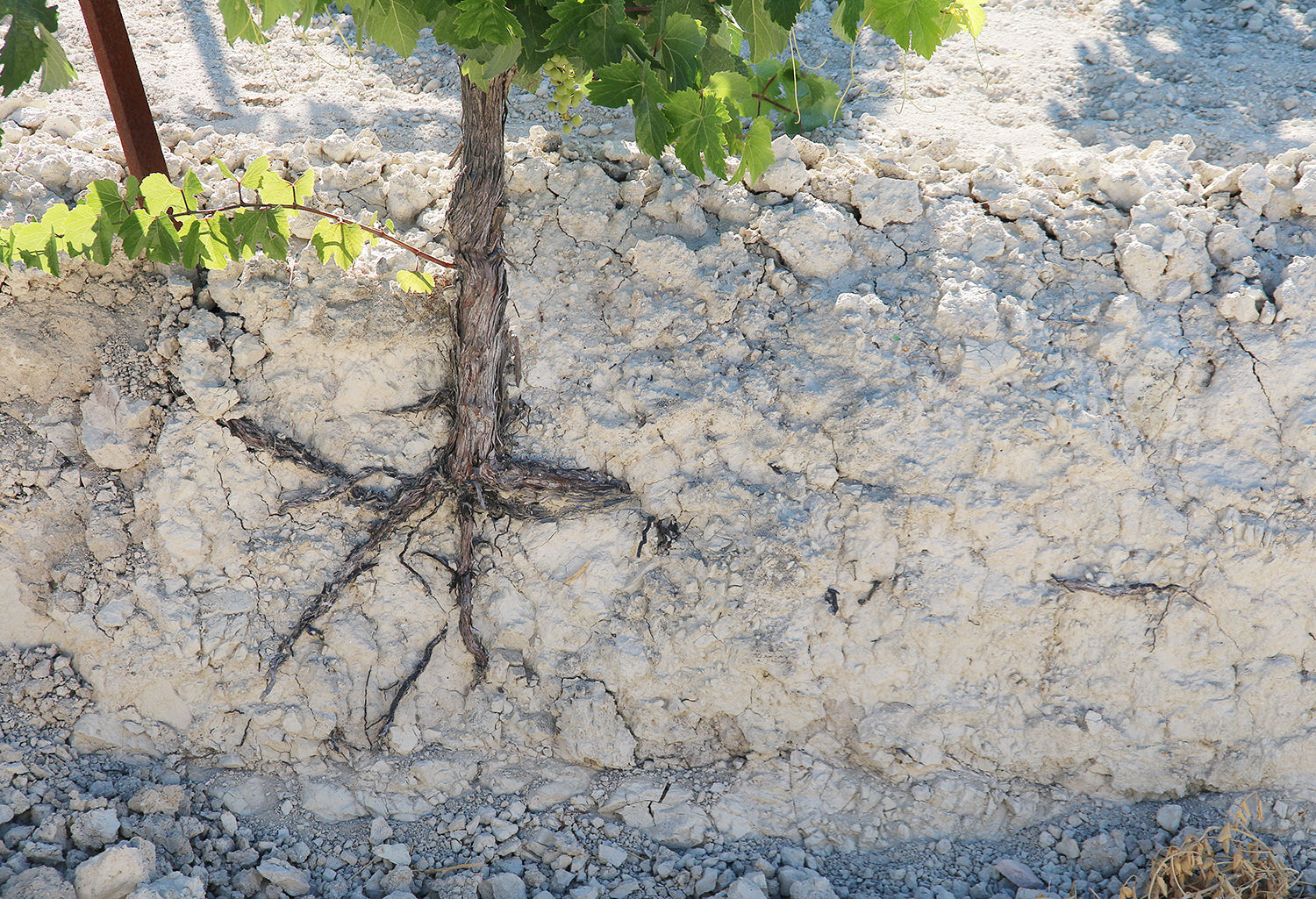
Soil diversity is one of the defining characteristics of Paso Robles vineyards. Limestone, shale, clay, sandy loam, and volcanic deposits all appear across the region’s rolling hills.
Limestone soils in particular have attracted attention from winemakers. These soils tend to produce wines with structure and bright acidity, similar to limestone regions in parts of France.
Rocky soils also limit vine vigor, forcing vines to struggle and produce smaller berries with concentrated flavors. This natural stress often leads to wines with deeper color and more intense aromas.
The Region’s Sub-AVAs and Their Distinct Personalities
Paso Robles is divided into multiple sub-American Viticultural Areas (AVAs), each with distinct climate and soil characteristics.
Western Paso Robles receives a stronger coastal influence, resulting in cooler temperatures and wines with more pronounced acidity. Eastern Paso Robles tends to be warmer and drier, producing wines with greater richness and concentration.
These subregions allow winemakers to match grape varieties to specific vineyard sites, creating a diverse range of wine styles across the appellation.
Key Grape Varieties Defining Paso Robles
Cabernet Sauvignon and the Region’s Powerful Bordeaux-Style Wines
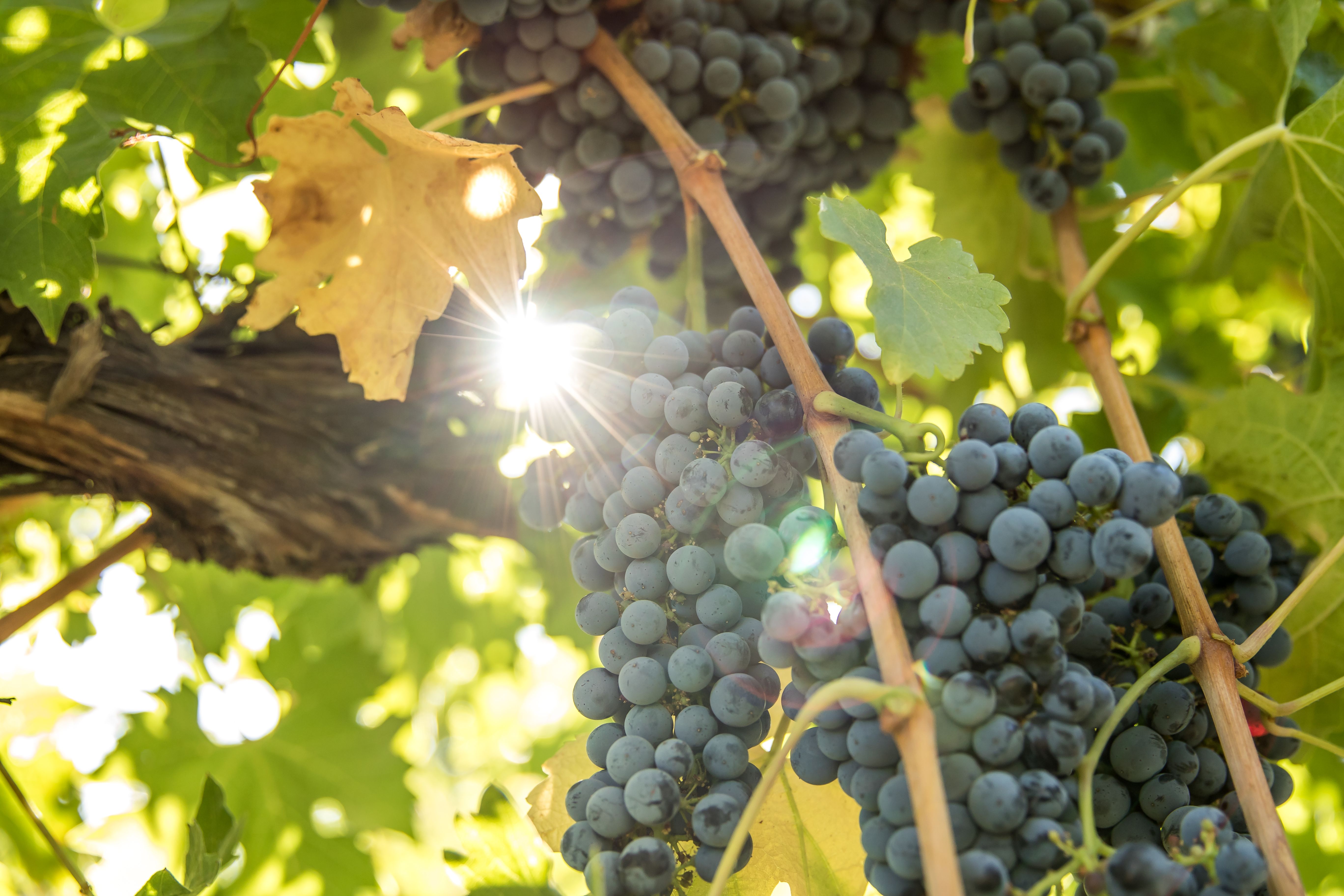
Cabernet Sauvignon is one of the most widely planted grapes in Paso Robles. The warm climate allows the grape to achieve full ripeness, producing wines with deep color, firm tannins, and concentrated fruit flavors.
Paso Robles Cabernet often displays aromas of blackberry, plum, cocoa, and baking spice. Oak aging adds complexity while enhancing structure and aging potential.
Rhône Varieties: Syrah, Grenache, Mourvèdre, and Beyond
Rhône grape varieties have become central to Paso Robles’ identity. Syrah contributes dark fruit and peppery spice, Grenache adds bright red fruit and warmth, and Mourvèdre provides earthy depth and structure.
These varieties are frequently blended, creating wines that balance richness with complexity.
Zinfandel and Paso Robles’ Historic Vineyards
Zinfandel has been grown in Paso Robles for more than a century. Many vineyards contain old vines that naturally produce lower yields but highly concentrated fruit.
Paso Robles Zinfandel often displays bold blackberry flavors, peppery spice, and generous texture.
Visiting Paso Robles Wine Country
The Tasting Room Experience in Downtown Paso Robles
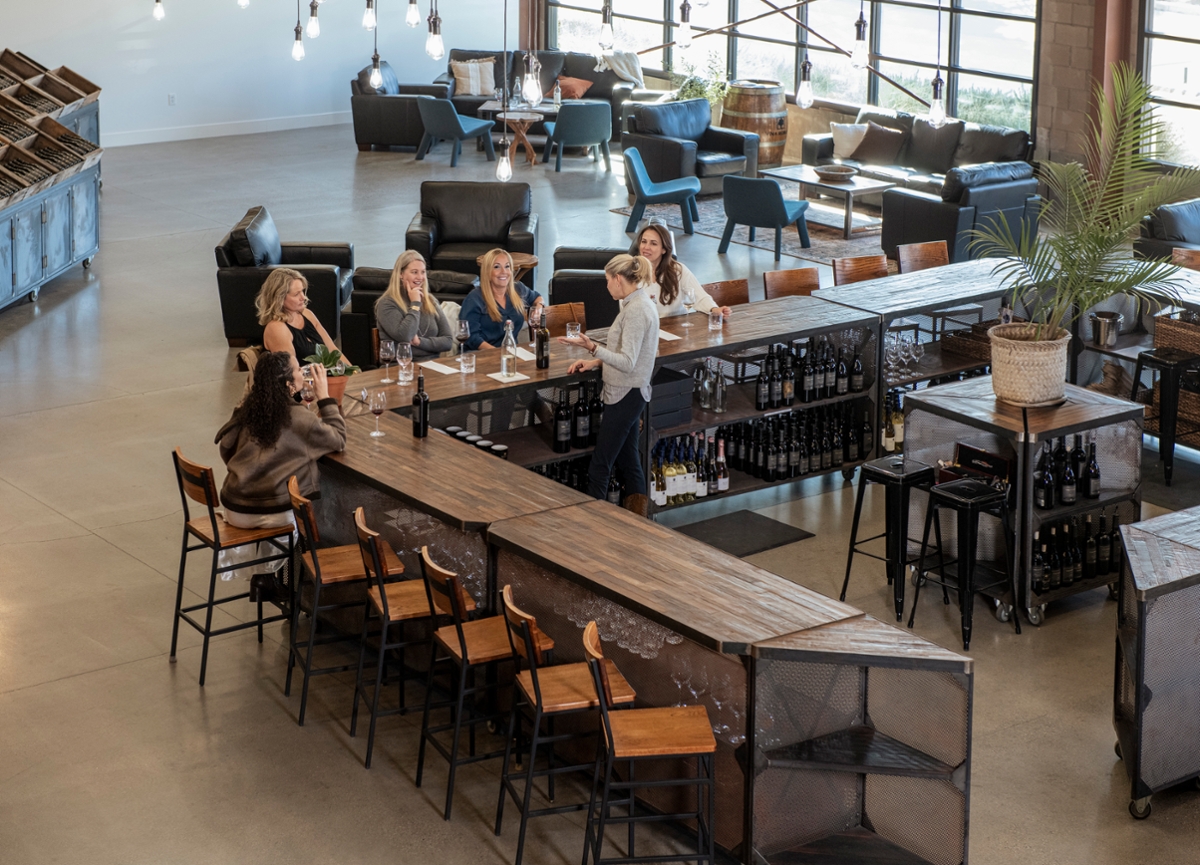
Downtown Paso Robles has become the heart of the region’s wine culture. Numerous tasting rooms surround the historic town square, allowing visitors to explore wines from across the region in a walkable setting.
The atmosphere tends to be relaxed and welcoming, often providing opportunities to speak directly with winemakers or vineyard managers.
Scenic Vineyard Routes and Wine Trails
Beyond the town center, visitors can explore scenic vineyard roads that wind through rolling hills and oak-studded landscapes. Many wineries offer panoramic views of vineyards and valleys.
These drives allow guests to see firsthand how climate and terrain influence different wine styles.
Why Paso Robles Is One of California’s Most Innovative Wine Regions
Experimental Winemaking and New Varieties
Paso Robles continues to explore new grape varieties and fermentation techniques. Mediterranean grapes that thrive in warm climates are increasingly planted alongside traditional varieties.
Winemakers experiment with fermentation vessels, oak-aging strategies, and blending approaches that highlight vineyard character.
Sustainability and Vineyard Stewardship
Sustainable farming practices are becoming more common across the region. Many vineyards focus on water conservation, cover cropping, and soil health management.
These efforts help ensure long-term vineyard vitality while preserving the natural environment.
The Future of Paso Robles Wine
Paso Robles continues to evolve as one of California’s most innovative wine regions. New wineries, experimental vineyard plantings, and collaborative winemaking efforts are shaping the region’s future.
As global interest in diverse and expressive wines grows, Paso Robles is well-positioned to remain at the forefront of modern American winemaking.