
A Vineyard Shaped by Patience and Place

California’s Central Coast has a way of revealing its character slowly. Morning fog drifts inland from the Pacific. Sunlight filters across gently rising hills. Vines follow the contours of the land rather than reshaping it.
In the middle of this quiet coastal valley sits Kynsi Winery, a winery that reflects both patience and thoughtful stewardship.
Located just outside the city of San Luis Obispo, the winery has become one of the distinctive voices within Edna Valley.
For travelers exploring the wineries of Edna Valley, Kynsi offers a story rooted in craftsmanship, family history, and respect for the rhythms of a cool-climate vineyard.
A Winemaking Journey from Burgundy to California
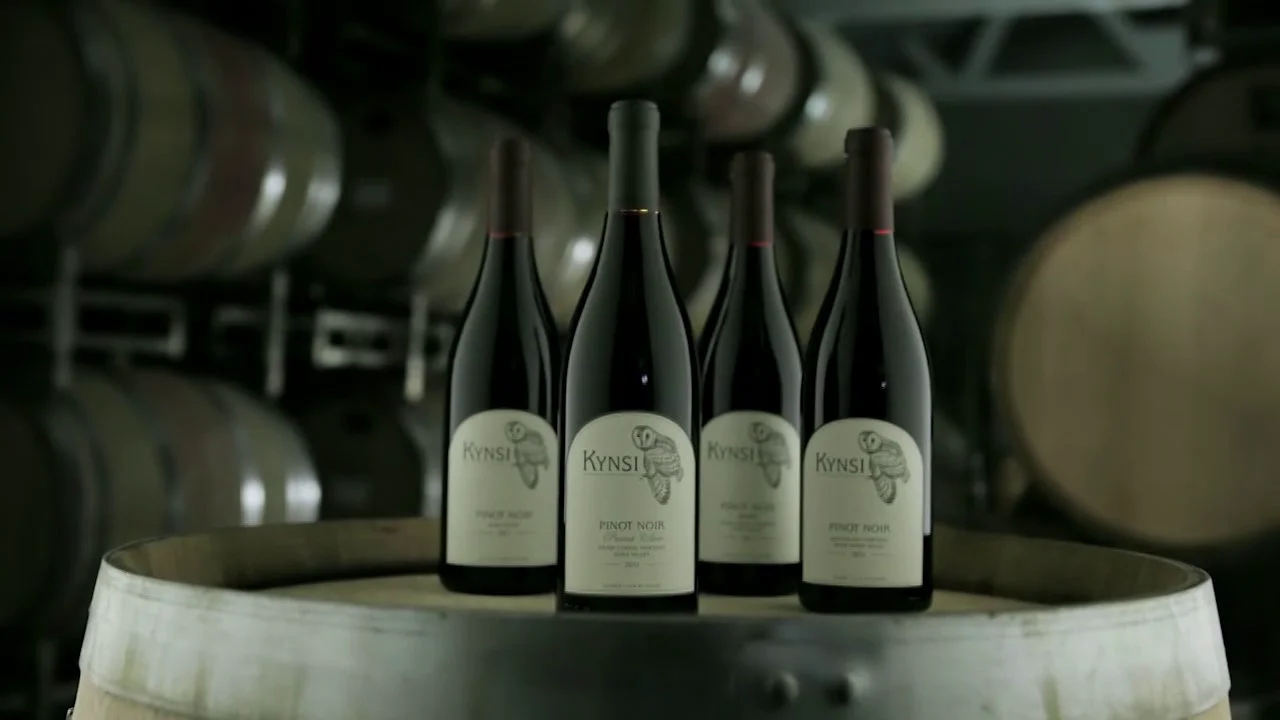
The guiding force behind Kynsi Winery is Don Othman, a winemaker whose path into the craft came through a deep fascination with Burgundian wines.
In the late 1980s and early 1990s, Othman immersed himself in the wines of Burgundy—particularly Pinot Noir and Chardonnay. The elegance and restraint of those wines left a lasting impression.
That inspiration eventually led him to California’s Central Coast.
The cool maritime climate of Edna Valley reminded him of Burgundy’s growing conditions. Morning fog, steady ocean winds, and moderate temperatures created an environment where Pinot Noir and Chardonnay could develop both complexity and balance.
In 1995, Othman and his wife Kala founded Kynsi Winery. The name itself carries family meaning—“Kynsi” is derived from the Finnish word for “claw,” a nod to Kala’s Finnish heritage.
From the beginning, the goal was clear: craft small-production wines that express vineyard character rather than overpower it.
Building a Vineyard in Edna Valley
Establishing a winery in Edna Valley required careful observation of the land.
The valley sits just five miles from the Pacific Ocean, one of the closest coastal wine regions in California. As a result, vineyards experience long, temperate growing seasons.
Morning fog cools the vines. Afternoon sun allows grapes to ripen slowly.
This gradual ripening process is ideal for Pinot Noir and Chardonnay.
Rather than focusing on high yields, Kynsi’s vineyards emphasize quality and balance. Vines are carefully managed to produce smaller clusters with concentrated flavor.
Over time, the winery developed relationships with several respected vineyards throughout the valley and surrounding areas.
These vineyard partnerships allow Kynsi to produce wines that reflect the subtle variations in soil, slope, and exposure that define historic vineyards in San Luis Obispo County.
Farming with Sustainability in Mind
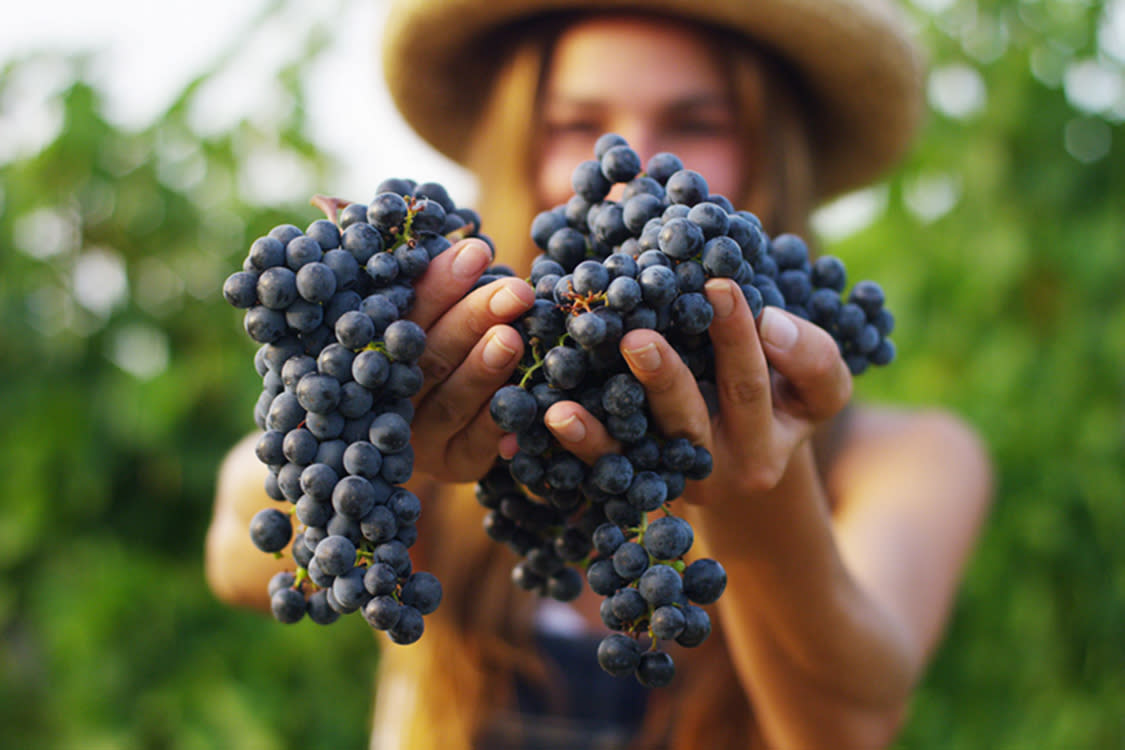
Modern vineyard stewardship requires more than simply growing grapes. It involves caring for soil, water, and surrounding ecosystems.
At Kynsi Winery, sustainable farming practices guide many vineyard decisions.
Cover crops are often planted between vine rows to improve soil health and prevent erosion. These crops also encourage beneficial insects that help maintain ecological balance.
Water usage is carefully managed, an important consideration in California’s Mediterranean climate.
Equally important is the commitment to hand harvesting. By harvesting grapes manually, the winery ensures that only the best fruit enters the winemaking process.
These practices may require more labor, but they preserve the character of the vineyard and protect the long-term health of the land.
Pinot Noir and Chardonnay: Wines of the Coast

Kynsi Winery focuses heavily on two grape varieties closely associated with cool coastal climates: Pinot Noir and Chardonnay.
Pinot Noir
Pinot Noir thrives in Edna Valley’s cool growing conditions.
The long season allows flavors to develop gradually while maintaining bright acidity.
Kynsi’s Pinot Noir wines often show aromas of cherry, raspberry, and subtle spice. Gentle oak aging adds texture without overwhelming the fruit.
The result is a wine that feels both expressive and balanced.
Chardonnay
Chardonnay tells a different story.
In Edna Valley, the grape often produces wines that balance freshness with richness. Citrus, green apple, and stone fruit flavors appear alongside hints of minerality shaped by the valley’s marine influence. Some lots see barrel fermentation, while others remain in stainless steel to preserve clarity and brightness. Together, these wines reflect the character of the Central Coast—vibrant, elegant, and shaped by the Pacific Ocean.
Visiting Kynsi Winery
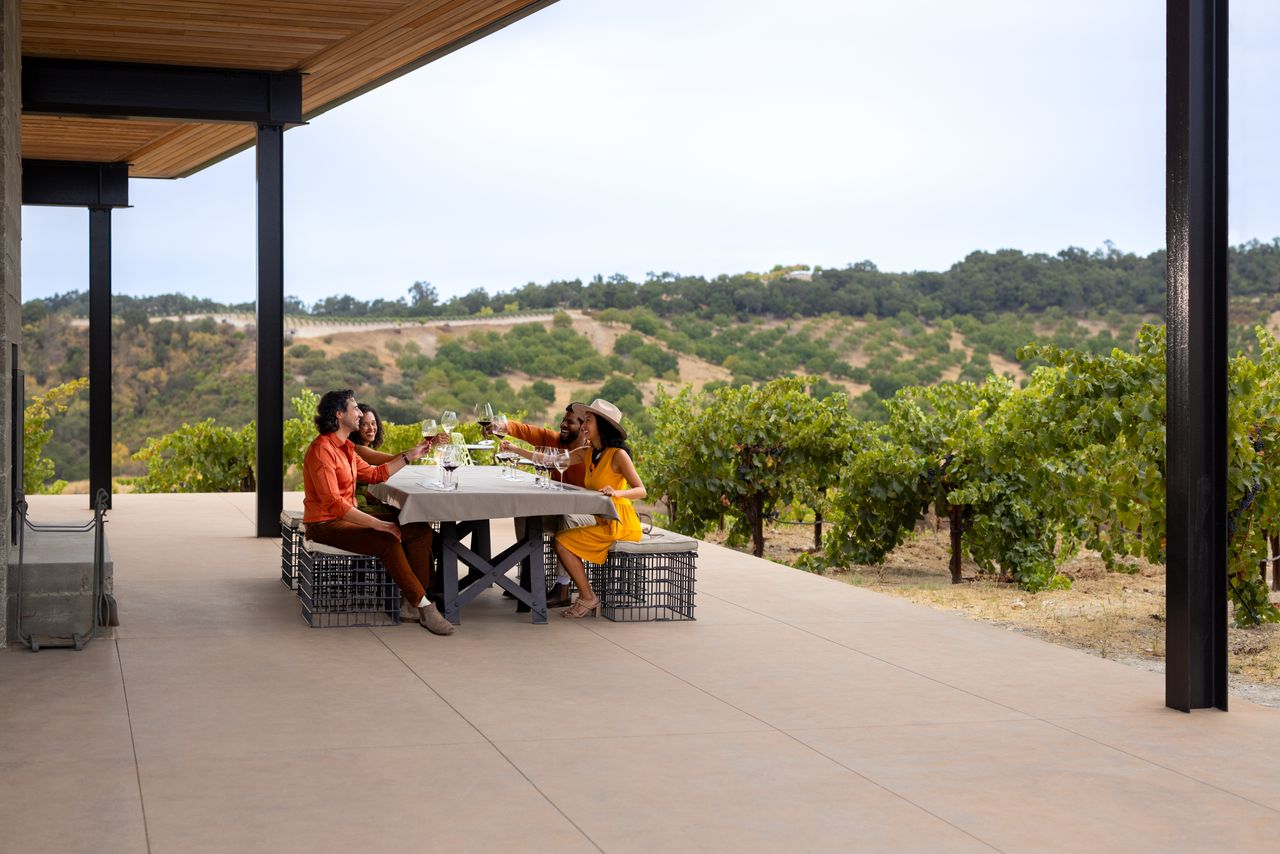
A visit to Kynsi Winery offers a relaxed introduction to Edna Valley’s wine culture.
The tasting experience often feels more like visiting a working winery than a polished tourist destination. Guests can sample small-production wines while learning about the vineyards that shaped them.
Because the valley remains less crowded than many California wine regions, visitors often find themselves lingering longer than planned.
After a tasting, travelers frequently continue exploring the wineries of Edna Valley, where several respected producers contribute to the region’s growing reputation for cool-climate wines.
Among them are Chamisal Vineyards, widely known for its estate Pinot Noir and Chardonnay programs.
Other Wineries to Explore in Edna Valley
Visitors exploring Edna Valley may also enjoy several other respected wineries in the region, each offering its own perspective on the valley’s coastal terroir.
Wine travelers often add stops at:
-
Saucelito Canyon Vineyard, known for preserving some of the historic vineyards in San Luis Obispo County and producing old-vine Zinfandel.
-
Talley Vineyards, a family-owned estate producing acclaimed Chardonnay and Pinot Noir from nearby coastal vineyards.
-
Sinor-LaVallee, another respected winery in the region focused on expressive small-lot wines.
These wineries, along with Kynsi, help illustrate the diversity and growing reputation of Edna Valley’s wine community.
A Quiet Legacy in the Making

Edna Valley does not shout for attention. Its beauty and reputation grow gradually, shaped by ocean winds and careful hands.
Kynsi Winery reflects that same spirit.
Rather than pursuing rapid expansion or large production numbers, the winery continues to focus on vineyard expression, thoughtful farming, and wines that reveal the personality of the land. For visitors traveling California’s Central Coast, a stop here offers something increasingly valuable in modern wine country.
A sense of place.
And a reminder that stewardship—patient, attentive, and respectful—remains at the heart of great wine.