
A Vineyard Preserved by Time and Care
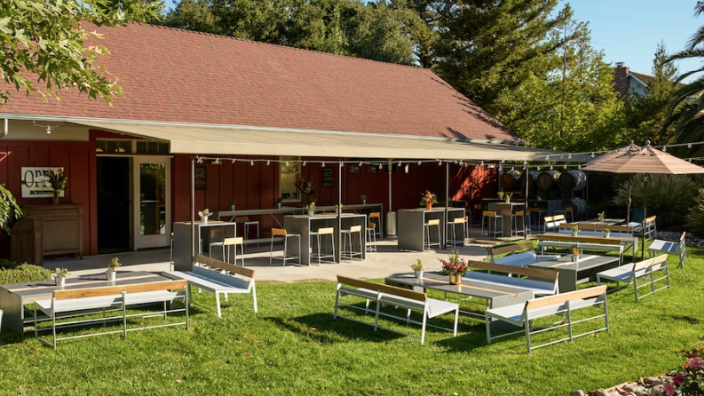
California’s Central Coast rewards those willing to venture just a little farther off the main road. A few miles inland from the Pacific, tucked into the rolling hills outside San Luis Obispo, lies one of the region’s most historic vineyards.
This is Saucelito Canyon Vineyard, a property where time moves at a slightly slower pace and the vines carry stories that stretch back more than a century.
Unlike many modern vineyards planted during California’s recent wine boom, Saucelito Canyon preserves something far rarer—old-vine Zinfandel planted in the late 1800s.
For travelers exploring the wineries of Edna Valley, a visit here offers a glimpse into the earlier chapters of California winemaking, when vineyards were smaller, farming was manual, and patience defined the craft.
The vineyard rests in the coastal hills of Edna Valley, one of California’s coolest wine-growing regions. Ocean breezes drift inland through nearby valleys, moderating temperatures and allowing grapes to ripen gradually across the long growing season.
The result is a vineyard that feels both historic and quietly enduring.
The Winemaker’s Path: Reviving a Historic Vineyard

The modern chapter of Saucelito Canyon Vineyard began when Bill Greenough purchased the historic property in 1974.
At the time, many of the old Zinfandel vines had been neglected. Across California, vineyards planted before Prohibition were disappearing as growers replaced them with newer plantings or more commercially fashionable varieties.
Greenough saw something different.
Rather than replant the vineyard entirely, he chose to restore and preserve the existing vines—some already approaching a century of age.
That decision shaped the identity of the winery.
Today, Saucelito Canyon Vineyard remains one of the rare places where visitors can taste wines produced from vines planted generations ago. Each harvest continues a tradition that began long before modern wine tourism arrived on California’s Central Coast.
A Landscape Built for Vineyards
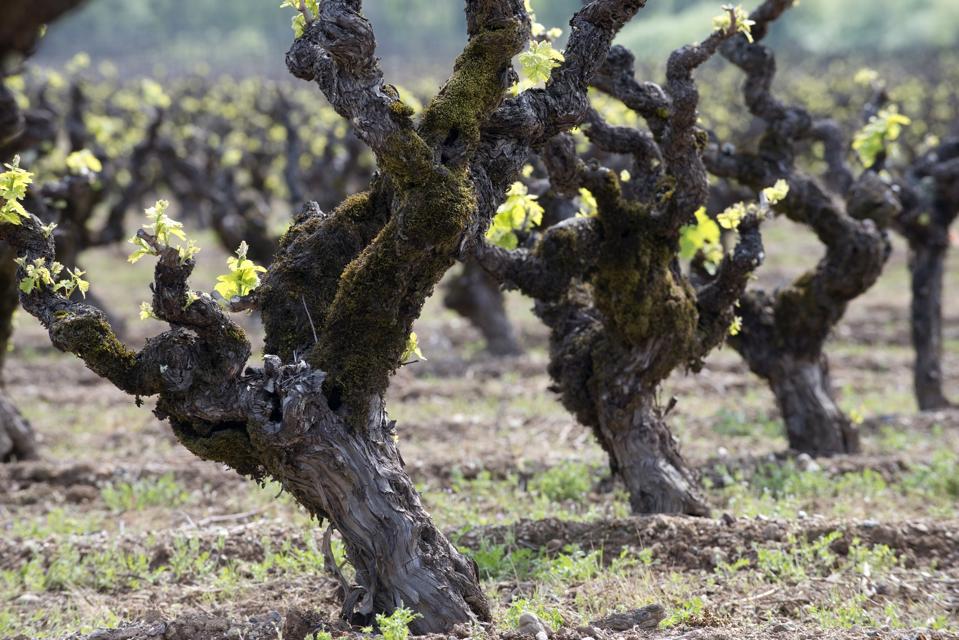
Saucelito Canyon’s vineyard sits along a rugged hillside where soil, slope, and climate work together to shape the fruit.
The terrain is steeper than many modern vineyards, forcing vines to root deeply into the earth in search of water and nutrients. Over decades, this struggle strengthens the vines and concentrates flavor in the grapes.
Many of the original plantings remain head-trained and dry-farmed, methods once common throughout California vineyards.
Dry farming, in particular, allows vines to rely solely on natural rainfall rather than irrigation. The vines grow more slowly, but the grapes often develop deeper flavor and structure.
These practices help preserve the authenticity of the vineyard and contribute to its reputation as one of the historic vineyards in San Luis Obispo County.
Sustainable Stewardship of Old Vines
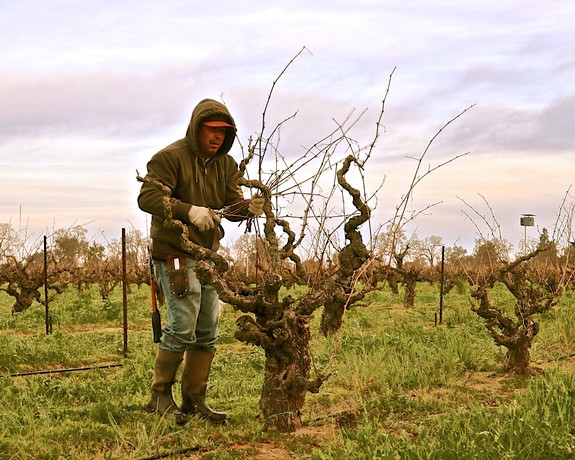
Caring for vines planted more than a century ago requires patience and attention.
Each vine must be pruned individually. Harvesting happens by hand, ensuring that delicate clusters remain intact as they move from vineyard to winery.
Sustainable practices guide the farming approach.
Soil health remains a priority. Cover crops are often planted between vine rows to improve soil structure and encourage biodiversity. These plants also reduce erosion on the hillside terrain.
Water use is carefully managed, particularly important in California’s Mediterranean climate.
Rather than pushing vines toward maximum yields, Saucelito Canyon allows the vineyard to dictate its own pace. Older vines naturally produce fewer grapes, but the fruit often carries greater intensity.
This slower rhythm reflects a philosophy rooted in stewardship rather than scale.
Zinfandel at the Heart of the Vineyard

Zinfandel has long been associated with California’s winemaking history, and at Saucelito Canyon it remains the centerpiece of production.
Old-vine Zinfandel behaves differently from younger plantings.
The vines produce smaller yields, but the grapes carry remarkable depth. Wines often show dark berry flavors—blackberry, plum, and raspberry—along with spice and subtle earthiness.
Because of the vineyard’s coastal influence, Saucelito Canyon Zinfandel often maintains vibrant acidity that keeps the wine balanced and lively.
While Zinfandel dominates the vineyard, other small plantings occasionally appear in production, allowing the winery to explore additional expressions of the Central Coast’s terroir.
Just a short drive away, visitors can experience different interpretations of the region’s cool-climate varieties at Kynsi Winery, another respected winery in the region known for its Pinot Noir and Chardonnay.
Visiting Saucelito Canyon Vineyard

A visit to Saucelito Canyon Vineyard feels different from the polished tasting rooms often found in larger wine regions.
Here, the focus remains on the vineyard itself.
Guests frequently find themselves tasting wines just steps away from the old vines that produced them. Conversations often drift toward farming practices, vineyard history, and the unique character of old-vine Zinfandel.
Because the property lies just outside the main Edna Valley corridor, the atmosphere remains relaxed and unhurried.
Many visitors combine the experience with a broader day exploring the wineries of Edna Valley, where coastal Pinot Noir and Chardonnay dominate the landscape.
One of the nearby pioneers of those varieties is Chamisal Vineyards, widely recognized for helping establish the region’s cool-climate reputation.
Other Wineries to Explore in Edna Valley
Visitors traveling through Edna Valley will find a diverse group of wineries shaping the region’s identity.
Among them are:
-
Talley Vineyards, a family-owned estate producing acclaimed Chardonnay and Pinot Noir from nearby coastal vineyards.
-
Sinor-LaVallee, another respected winery in the region focused on expressive small-lot wines.
-
Kynsi Winery, known for its Burgundian-inspired Pinot Noir and Chardonnay.
Together with Saucelito Canyon, these producers illustrate the range of styles that define historic vineyards in San Luis Obispo County.
A Living Piece of California Wine History
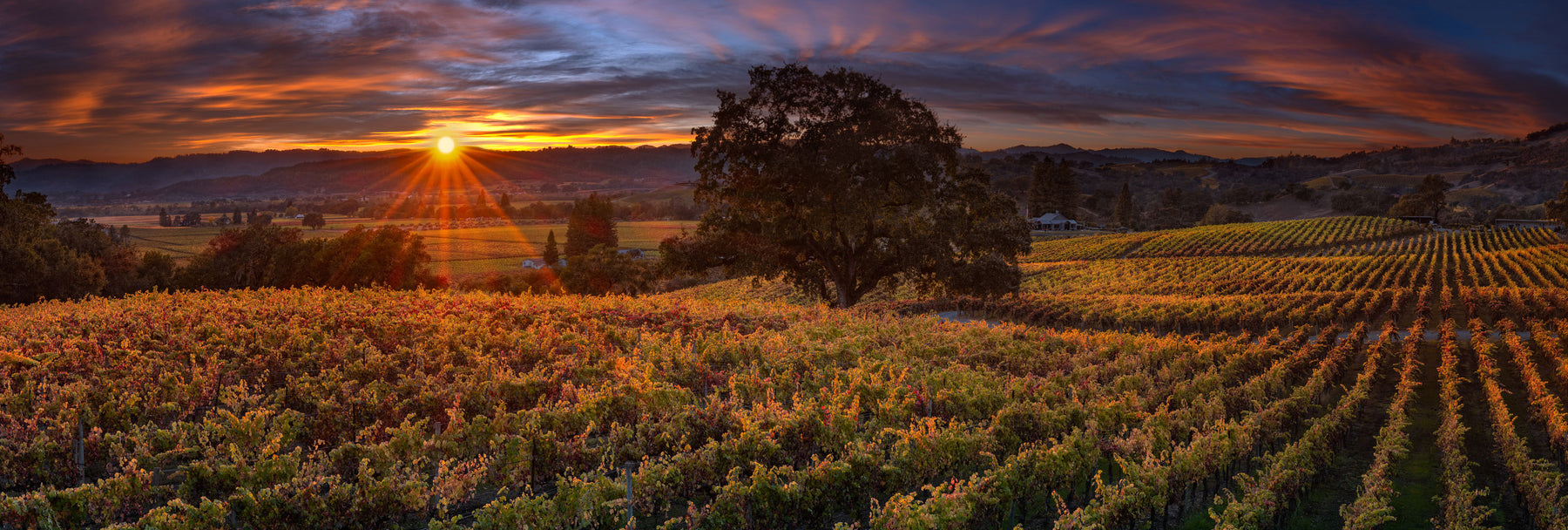
Saucelito Canyon Vineyard represents something increasingly rare in modern wine country—a vineyard that has endured through multiple eras of California winemaking. From the late nineteenth century plantings to its restoration under Bill Greenough, the vineyard remains a living connection to the past. Today, those twisted Zinfandel vines continue producing wines that reflect both history and place.
For travelers along California’s Central Coast, the experience offers more than a tasting. It offers a reminder that great vineyards are not built quickly. They are cultivated slowly—over decades, sometimes centuries—through patience, respect for the land, and a quiet commitment to stewardship.