
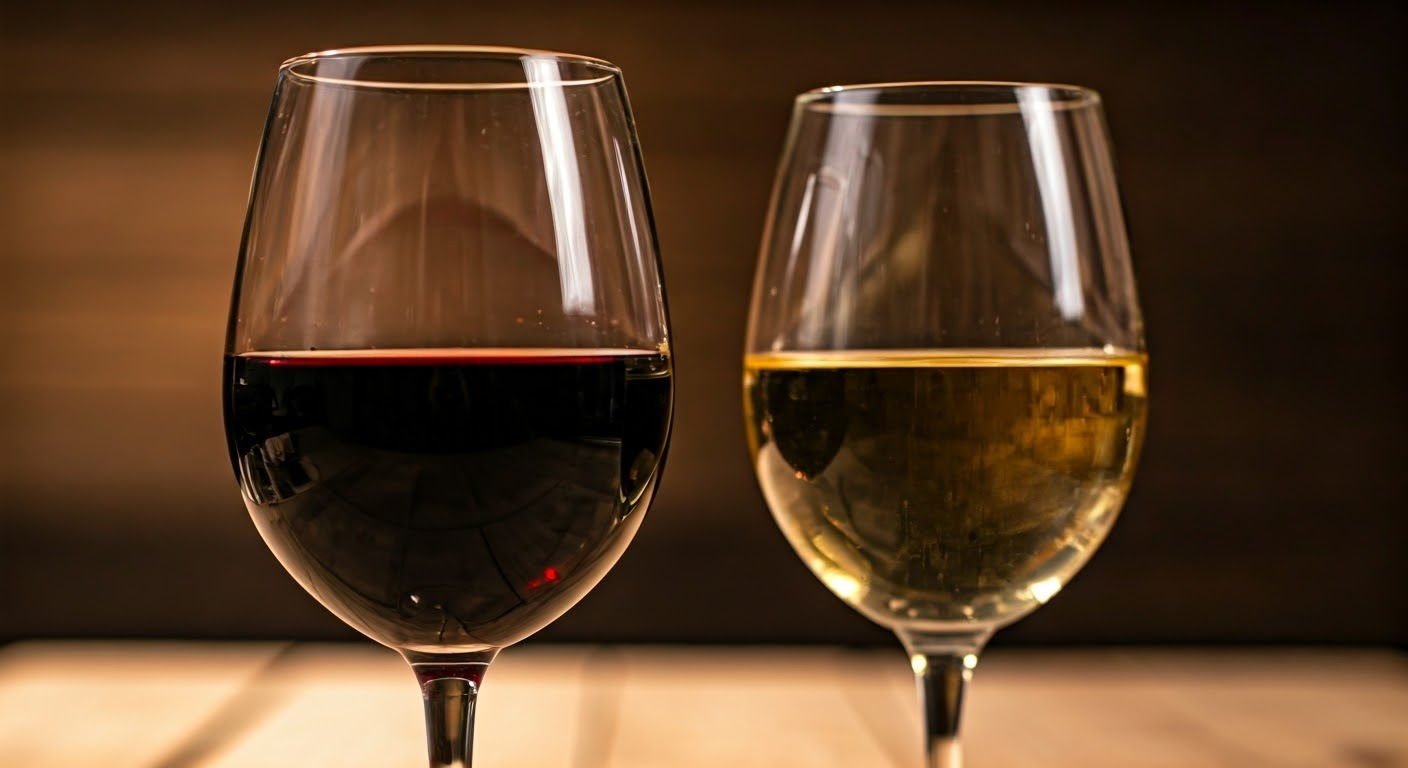
 Wine lovers often see the words Old World and New World. These words describe different wine styles that depend on where they come from and their traditions. The Old World refers to older wine regions like France, Italy, and Germany. In these places, wine has been made for a long time. Wines from the Old World often emphasize their terroir, or the local environment. The New World represents new ideas in winemaking. Regions like the United States, New Zealand, and South Africa lead this change. Understanding these groups can help you taste the differences, see how the wine is made, and learn the stories behind it. This knowledge can enhance your wine experience as you explore several places.
Defining Old World and New World Wines
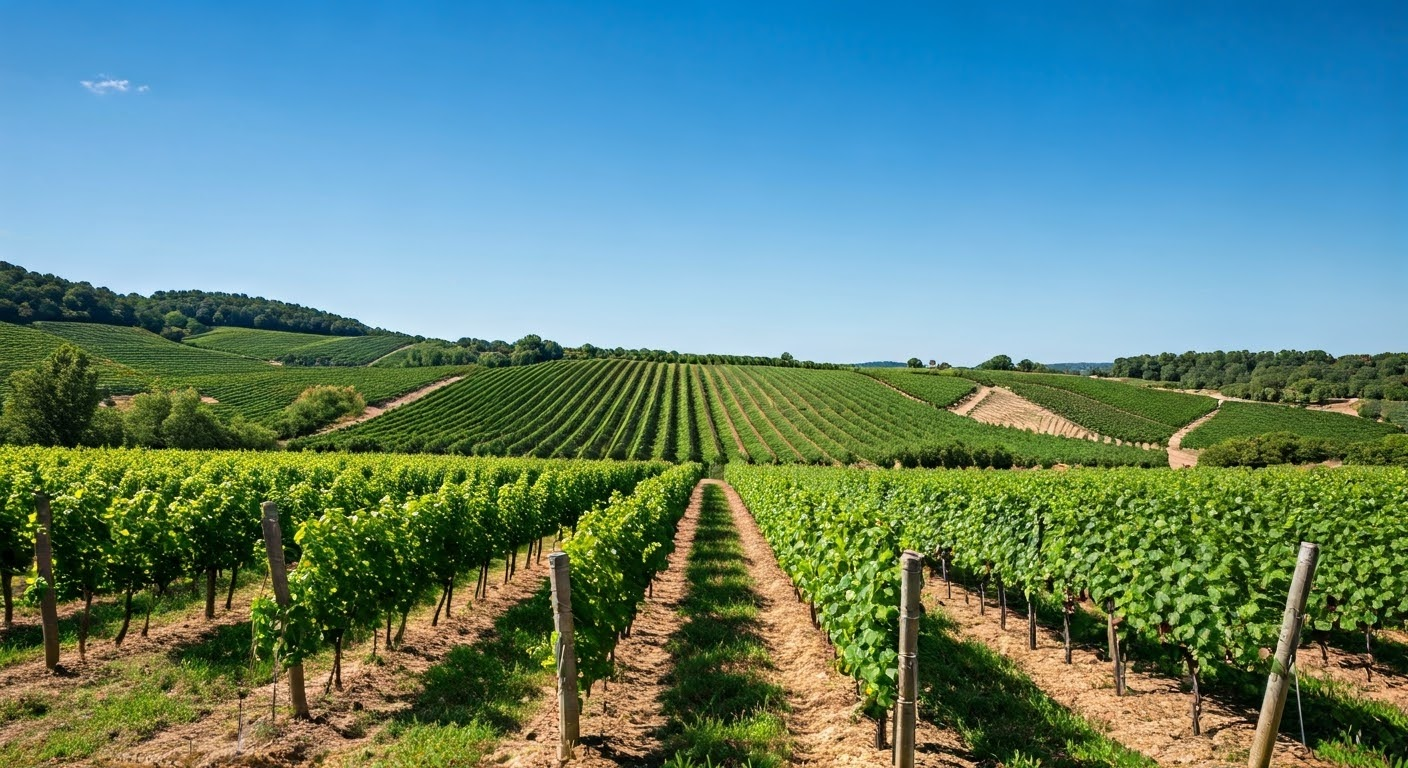 The difference between Old World and New World wines is based on tradition and where they come from. Old World wines are made in Europe and the Mediterranean. They pay a lot of attention to terroir. This means the land and the climate are very important. These areas have many years of practices that help the vines grow well.
New World wines are from regions like South America, Australia, and Canada. These wines focus on new experiences. Winemakers in these areas like to use bold flavors and be creative. They combine traditional methods with modern ideas to craft wines that people all over the globe enjoy.
Origin and Historical Context
Old World wines come from Europe because of its long history of viticulture. Countries like France, Italy, and Spain are important. People in these places have built their winemaking skills over many years. The ancient Greeks and Romans also helped with winemaking, establishing traditions that still matter today. Focusing on terroir and old ways has also led to systems like France's Appellation d'origine contrôlée.
In Old World areas, the way wine is made relies on the soil, climate, and geography. This leads to wines that are unique to each region. For example, Chianti wines from Italy and Bordeaux blends from France have rich flavors that showcase their origins.
New World regions started producing wine later than Old World regions, but they gained popularity fast. They emphasize new ideas, which allows winemakers to experiment with various grape types and fermentation methods. For example, New Zealand's Sauvignon Blanc is famous for its bold, fruit-forward flavors, setting it apart from the more traditional Old-World wines.
Key Production Regions Today
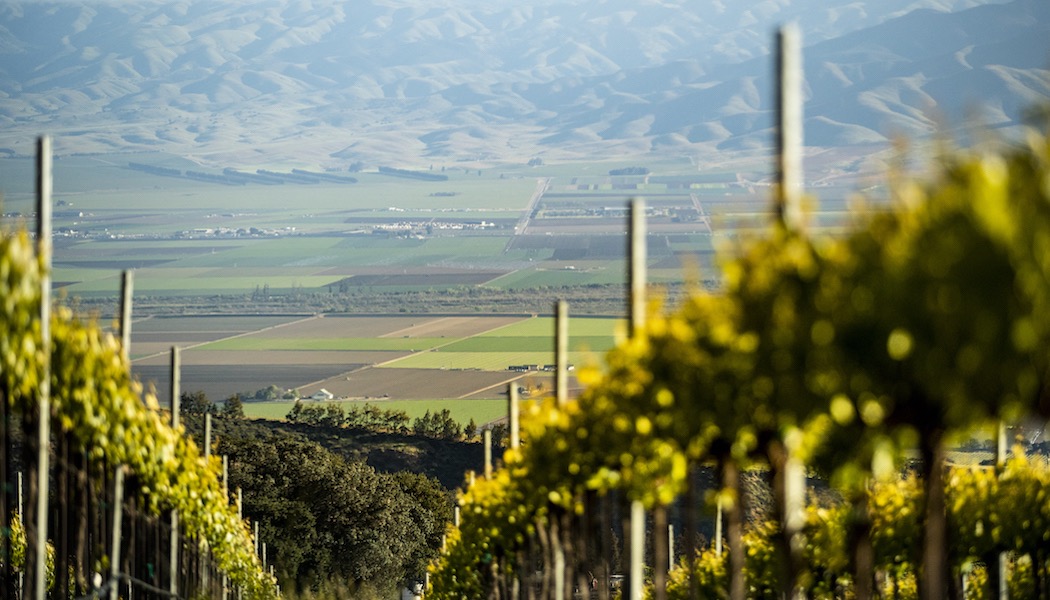
To understand New World regions, pay attention to North America, particularly California. This state is well-known for its wines, such as Cabernet Sauvignon and Chardonnay. The Pacific Northwest is also gaining popularity. It's recognized for its Pinot Noir and Rieslings. These wines highlight the local styles found in the New World.
In South America, Argentina and Chile are known for their Malbec and Carménère grapes. These wines are made from French grape types but have rich flavors and are affordable. In Brazil, the wine industry is getting better, which is helping South America become more popular in the world market.
In Oceania, New Zealand gives Sauvignon Blanc a tropical flavor. This taste is quite different from the French kind. Australia's Shiraz has strong and fruity notes, which come from its dry climate. Additionally, new markets like South Africa and China offer different choices. This brings more variety to the New World’s role in the wine industry.
Varietal Differences and Wine Styles
Choosing different grape types helps us understand the differences between Old World and New World wine styles. Each region has its own unique style of wine. Traditional grapes like Pinot Noir and Chardonnay are commonly found in Old World regions. These vineyards have been there for many generations. Winemakers in these areas focus on highlighting the special flavors from the soil and climate.
New World wines are known for their lively Cabernet Sauvignon, Sauvignon Blanc, and strong blends. These wines often have more alcohol and fruity flavors. While Old World wines focus on balance and depth, New World wines celebrate bold flavors and creativity.
Grape Varieties Predominant in Each Region
Old World regions stick to traditional grape types. France is at the forefront of this. Grapes such as Cabernet Sauvignon, Pinot Noir, Grenache, and Chardonnay are famous worldwide. They set the standard in places like Bordeaux and Burgundy. In Italy, you can see special types like Sangiovese, mainly used in Chianti. Trebbiano is popular too, especially for making white wines.
In New World regions, winemakers can change and adapt. Sauvignon Blanc, Shiraz, and Malbec are among the best. In Argentina, Malbec has become a local symbol. New Zealand enhances Sauvignon Blanc, bringing it rich flavors. Meanwhile, California's Cabernet Sauvignon does well against Bordeaux wines from the Old World.
In the end, both regions have a lot of choices. Old World wines tend to stick to tradition rather than explore new ideas. In contrast, New World regions feel freer. They expand flavors and create new blends, leading to clear differences in style.
Typical Flavor Profiles
The Old-World wines are famous for being complex and subtle. These wines show minerality, aromas, and high acidity. They usually carry earthy notes along with gentle fruit flavors. A good example is French Burgundy, which combines light fruit with earthy scents. On the other hand, Italian Barolo is bold with tannins and has deeper flavors due to aging.
New World wines are exciting and packed with fruity flavors. For example, Australian Shiraz has the taste of ripe berries and several spicy notes. California Zinfandel is famous for its sweet flavors and higher alcohol level. These vibrant styles draw in a modern audience who enjoy quick and strong tastes.
Drinking Old World wines usually needs time and careful thought. New World wines provide quick pleasure instead. Each type has its own supporters, which gives wine lovers more choices around the world.
Conclusion
In conclusion, knowing the differences between Old World and New World wines helps us understand winemaking better. Each area has its own history and flavors that tell a special story. Old World wines feel traditional and elegant. New World wines are often bold and innovative. Enjoying these differences can make your wine tasting more fun. As you explore the world of wine, remember that every bottle shares a story. So, pour a glass, enjoy the flavors, and have a good time. If you want to learn more about wines, check out our frequently asked questions or ask us for advice!
Frequently Asked Questions
What are the main differences in wine-making techniques between Old World and New World?
Old World methods wine pay attention to terroir. They highlight the land using wild fermentation and nice acidity. These methods often include extended maceration. In contrast, New World methods use new oak barrels, malolactic fermentation, and lots of flavor extraction. Some types, like carbonic maceration, show the flavors of different places and climates.
What defines an "old world" wine?
Old World wine refers to wines produced in traditional wine regions of Europe, where winemaking techniques have been practiced for centuries. Characterized by terroir-driven styles, these wines often emphasize subtlety and depth over fruitiness, reflecting the history and culture of their respective regions.
Can you name a few Old-World wines and their New World counterparts?
Classic Old-World wines, like French wine, come from France. This includes Bordeaux blends and Burgundy Pinot Noir. If you're interested in New World wines, look at California’s Cabernet Sauvignon or New Zealand’s Sauvignon Blanc. Each area brings its own style. They make unique blends that match their climates and winemaking methods.
Subscribe to our Mailing List!
Stay in touch with the exciting! Join our mailing list to be one of the first to find out about new news and events. We will send you special content just for you. This includes information about events, new wine releases, and tips to make your visit to wineries, breweries, and distilleries even better. By joining our mailing list, you can access valuable information and exclusive deals. This keeps you ready for your next unforgettable trip. Your subscription is free. Sign up