
Key Highlights
-
Riesling is a highly versatile white wine known for its high acidity and aromatic grape variety.
-
Originating in Germany's Rhine region, its history dates back to 1435.
-
Distinct aroma profiles, including apricot and petrol, make Riesling unique among white wines.
-
Riesling grapes adapt exceptionally well to diverse climates, allowing robust growth.
-
Vinification methods have evolved from traditional fermentation in stainless steel to modern innovations.
-
Regional variations showcase diverse styles, from German Mosel Rieslings to New World varieties influenced by terroir.
Introduction
Riesling is popular around the world for its unique features as a white wine. It has a bright taste and strong aroma. This grape variety creates wines that can be very dry or wonderfully sweet. For many years, Riesling has delighted wine lovers by showing what its origin is all about. The path from vine to glass tells a story of history and skill. What makes Riesling special? Let’s look at its amazing journey, including its origins, grape qualities, and how it’s made.
Origins of Riesling
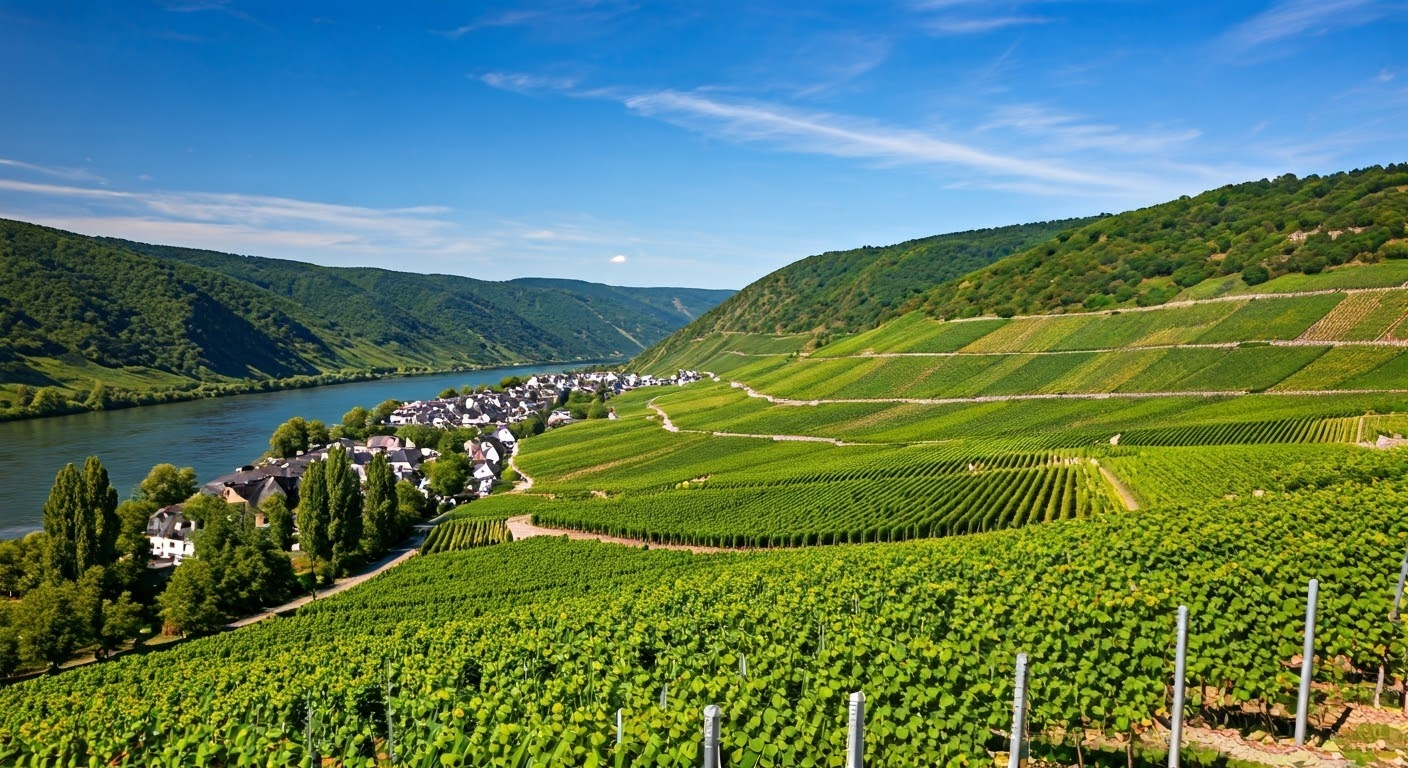 The history of Riesling goes back to the Rhine Region in Germany. People started growing it in the early 15th century. There are official records from 1435 that mention the grape in Count Katzenelnbogen's cellar log. This is the first time Riesling was noted in history. It marked the start of its popularity as one of the most famous white wine types in the world.
Riesling later became very popular outside of Germany, too. Its bright acidity, mineral taste, and nice smell caught the attention of vineyards. This helped it become a key part of winemaking in Europe.
Emergence in the Rhine Region
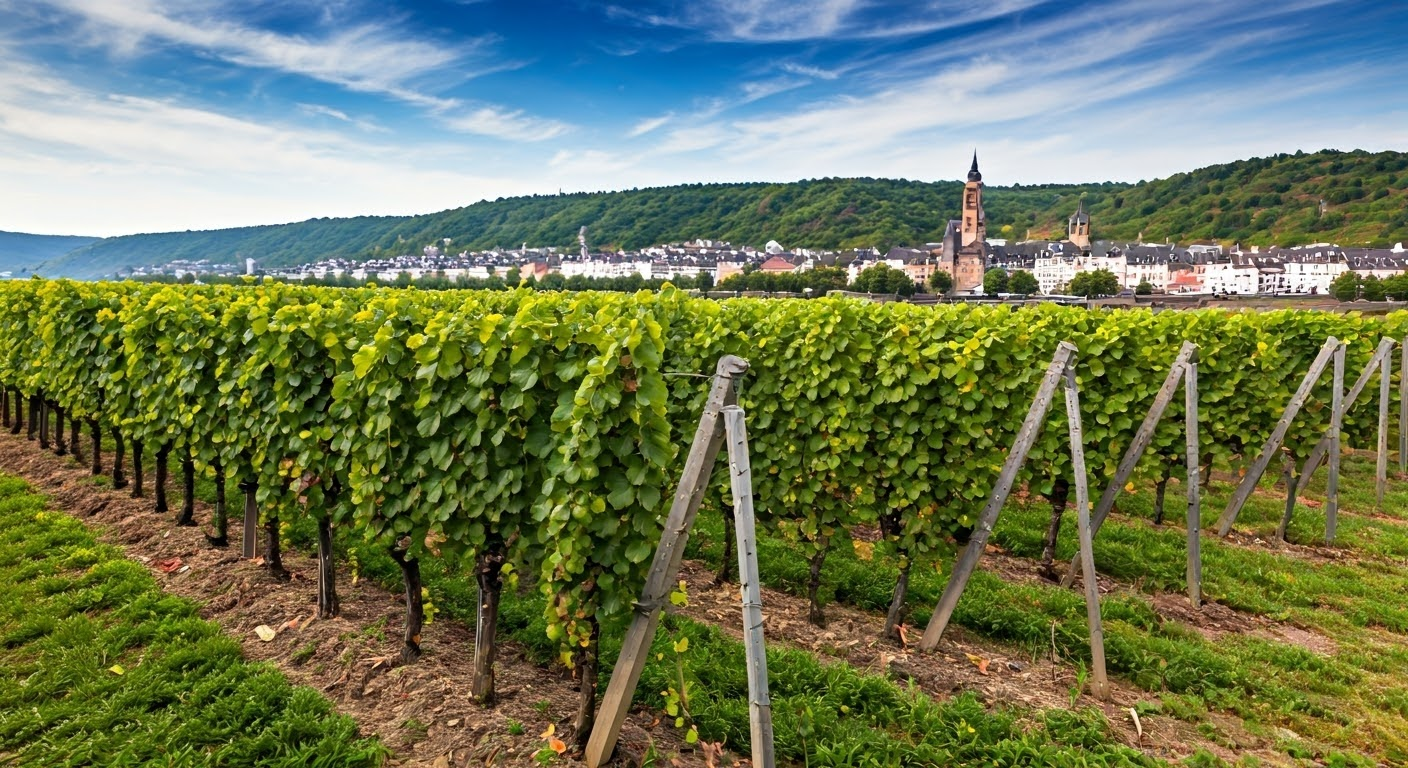
Germany’s Rhine region is where Riesling started to grow well. The area has great conditions for vines. The cool nights and soil with slate along the Rhine River created just the right environment. This helped improve Riesling’s acidity and mineral flavors. The vineyards here set the standard for growing Riesling.
In early days, smart winemakers saw the vine’s potential. They knew Riesling could make fresh and fragrant wines. These winemakers shared tips on how to grow Riesling, making sure it thrived.
Regions like Rheingau and Mosel led the way, keeping high vineyard quality. Germany is still the heart of Riesling’s story, mixing old traditions with new ideas. Since its start in the Rhine, Riesling has become a cherished name in the world of wine.
 Historical Significance in European Vineyards
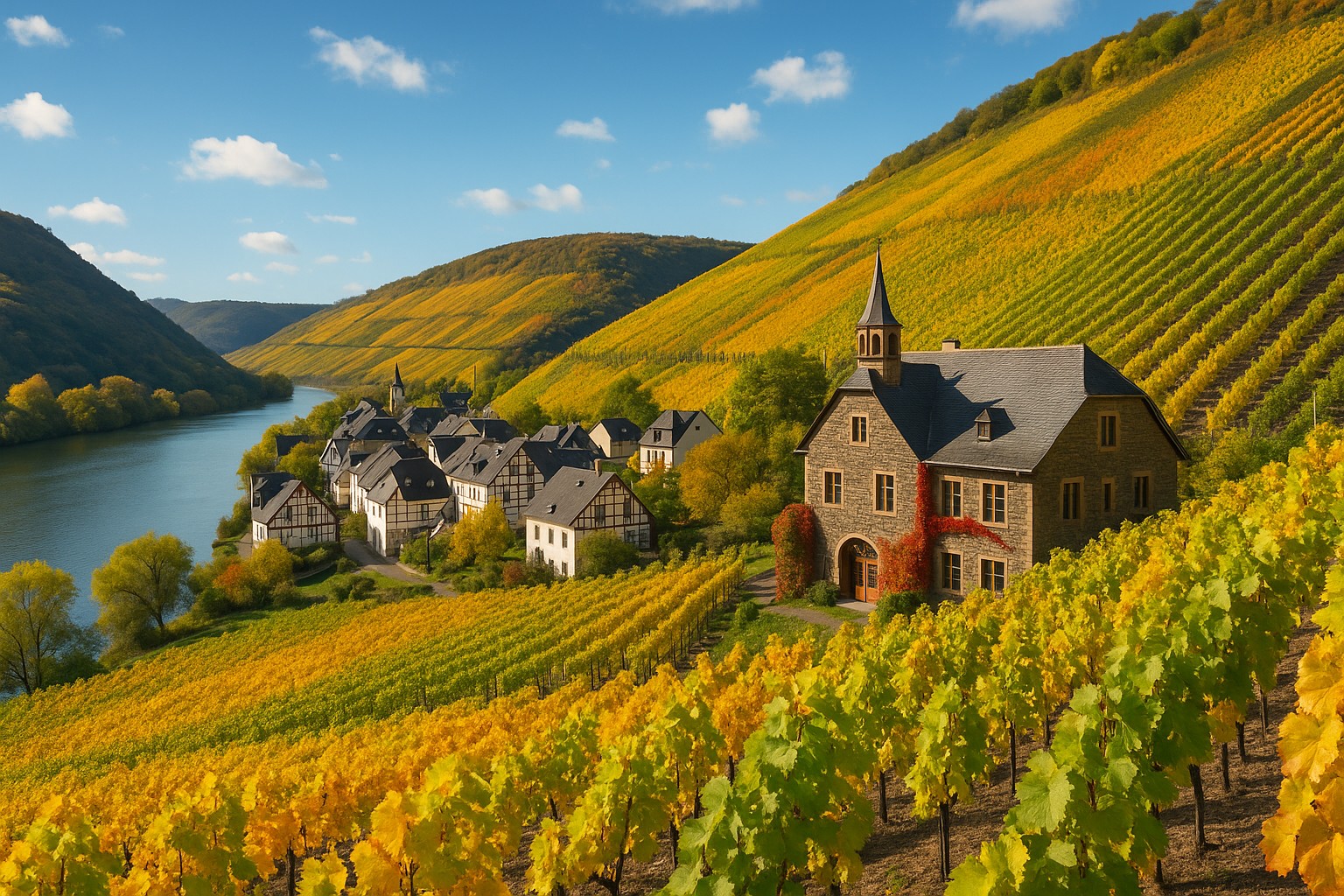
Riesling is very important in European winemaking. It started in Germany and quickly became popular because of its high acidity and great flavors. In Alsace, France, people began to enjoy Riesling, adding smoky and lime notes to its taste.
During the 17th and 18th centuries, Riesling became a valuable wine to export. Wine sellers saw how well it goes with different foods, making it historically significant. It is known for being a strong and long-lasting wine.
Vineyards all over Europe improved how they grow Riesling, using the grape's ability to adapt to different climates. Today, Riesling symbolizes elegance and quality, with its rich history still very present in European winemaking.
Characteristics of Riesling Grapes
Riesling grapes are known for their small, green berries that grow in tight groups. They have high acidity, which helps create wines that taste fresh and balanced. These grapes do well in different soil types, adding to their minerality.
They have a unique smell, with fruity notes like apricot and interesting petrol hints. Riesling can grow in both cool and warm places, making it a popular choice around the world.
Unique Aroma Profiles
Riesling is known for its amazing smell. It has strong fruity scents like apricot, lime, and citrus. These scents really attract wine lovers. The fruity notes are also mixed with floral hints, which makes the wine classy.
Another interesting smell that comes with Riesling is petrol. This unique aroma appears during fermentation and aging. It gives Riesling a special touch, different from other white wines. The mix of fruity smells and petrol notes makes it complex.
Every region adds to this amazing smell. German Rieslings have a strong minerality. On the other hand, Australian Rieslings have diesel-like smells. This variety of aromas keeps Riesling exciting for people around the world.
Adaptability to Climate
Riesling grapes are great at adjusting to different climates. Cool nights help them gain acidity, which creates crisp and refreshing wines. You can see this in places like Germany’s Mosel, where the vine grows well even when the conditions are tough.
In warm areas, like the Finger Lakes and Australia, Riesling’s ability to adapt shines as well. Here, the grapes develop sweet tropical flavors while keeping their special acidity. The vine can live well in various temperatures and soil types, showing its strength.
Vineyards all over the world count on Riesling clones to produce high-quality wine, no matter the climate. This ability to adapt is one reason why it is popular globally, from Europe to New World wine regions.
Vinification Process
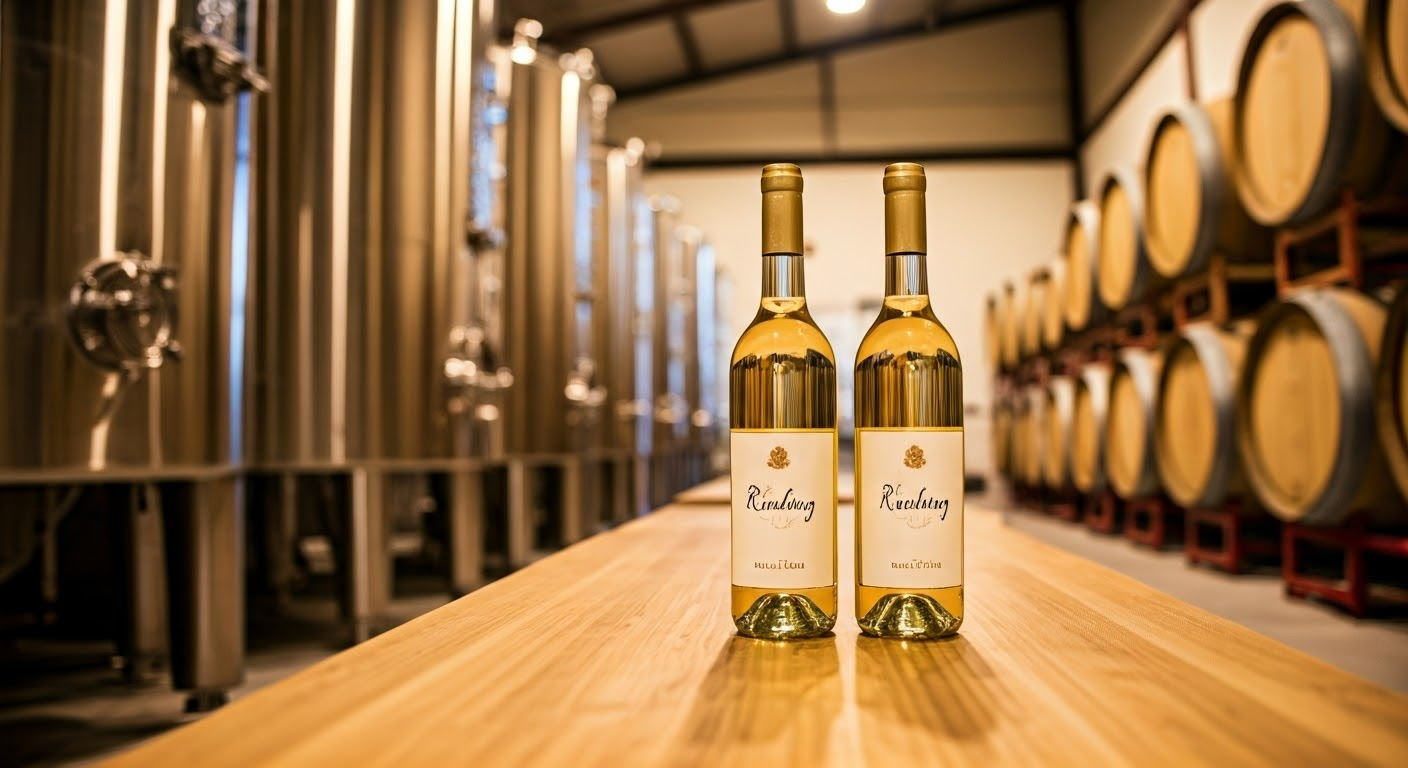 The process of making Riesling wine is very careful and detailed. Traditional methods, like using stainless steel for fermentation, keep the grape's natural aromas and acidity intact. These techniques focus on making the wine clear and pure.
Modern inventions build on this by using technology for accuracy. Riesling can be aged with its yeast or blended in new ways, which keeps it classy every time. How do these methods affect its quality? Let’s explore the fermentation techniques and new ideas that are shaping the production of Riesling today.
Traditional Fermentation Techniques
Riesling’s production relies on time-honored methods that highlight its hallmark traits. Traditional fermentation often occurs in stainless steel vessels, ensuring the preservation of aromas like citrus, apricot, and petrol.
In wineries, careful temperature control prevents overpowering changes during fermentation. One classic method involves lees aging for five months, contributing richness and creaminess to the wine.
|
Technique |
Description |
|---|---|
|
Stainless Steel Fermentation |
Preserves freshness and expressiveness of aromas. |
|
Lees Aging |
Adds depth and roundness to the wine body. |
|
Temperature Control |
Maintains acidity and aromatic precision. |
These time-tested methods reflect the craftsmanship behind Riesling.
Modern Innovations in Winemaking
Modern winemaking is taking Riesling production to the next level. Using stainless steel for fermentation is still important, but now we have temperature-controlled systems. These systems help make the process more consistent.
New machines have been created to press grapes effectively while keeping their aromas safe. Also, studying different yeast strains improves the aromatic profile of Riesling during fermentation.
Today's methods mix traditional practices with new technologies. This blend leads to wines that show off the full potential of Riesling and satisfy what consumers want in quality.
Regional Variations
Riesling is special because of its many types that vary by region. In Germany, the wines from Mosel and the Rheingau are very different from each other. On the other hand, Australian Rieslings bring surprises that show the unique traits of their land.
The slate soils in Mosel create a different taste than the tropical flavors found in Australian Rieslings. This variety is what makes Riesling famous around the world. Let's look deeper into these differences.
German Rieslings: Mosel vs. Rheingau
German Rieslings show a lot of variety:
-
Mosel Rieslings: These have high acidity and soft floral notes.
-
Rheingau Rieslings: These are rich and well-structured, featuring citrus and minerality.
These differences highlight how soil and climate influence the unique traits of Riesling in Germany.
New World Rieslings: Influence of Terroir
In places like Australia and the Finger Lakes region, Riesling takes on new qualities. The local environment, known as terroir, is very important. It gives the wine tropical aromas and a unique acidity.
Different climates create different flavors. This helps winemakers create special wines that celebrate where they come from.
Conclusion
In summary, the journey of Riesling wine is interesting and full of history. It comes from the Rhine region and has many unique smells and flavors. Riesling shows how skilled winemakers can be. When we learn about how it's made, whether by old methods or new ones, we can enjoy this special wine even more. The differences between German Rieslings and those from other parts of the world show just how adaptable Riesling can be. While you explore Riesling, think about how its rich history makes each sip different. If you want to know more about wines, feel free to ask for a consultation!
Frequently Asked Questions
What distinguishes Riesling from other white wines?
Riesling is special among white wines. It has high acidity and is known for its aromatic grape variety. You can smell unique aromas like apricot and petrol, which develop during the aging process. Riesling and Pinot Grigio are versatile too. They come in both dry and sweet styles, which makes them different from other wines.
How does the age of Riesling affect its flavor profile?
Riesling wines change their flavor over time. Younger Rieslings have fresh fruity tastes. As they age, particularly around ten years of age, they take on complex flavors like petrol and minerals, which enrich the palate. Wines that have been aged for years offer a deep and refined experience for fans.
Have you subscribed to our Newsletter?
Stay in touch with the exciting! Join our mailing list to be among the first to learn about upcoming events. We will send you special content just for you. This includes information about upcoming events, new wine releases, and tips to enhance your visit to wineries, breweries, and distilleries. By joining our mailing list, you will get access to valuable information and exclusive deals. This keeps you ready for your next unforgettable trip. Your subscription is free. Sign up!