
A Vineyard Shaped by Experience and Vision
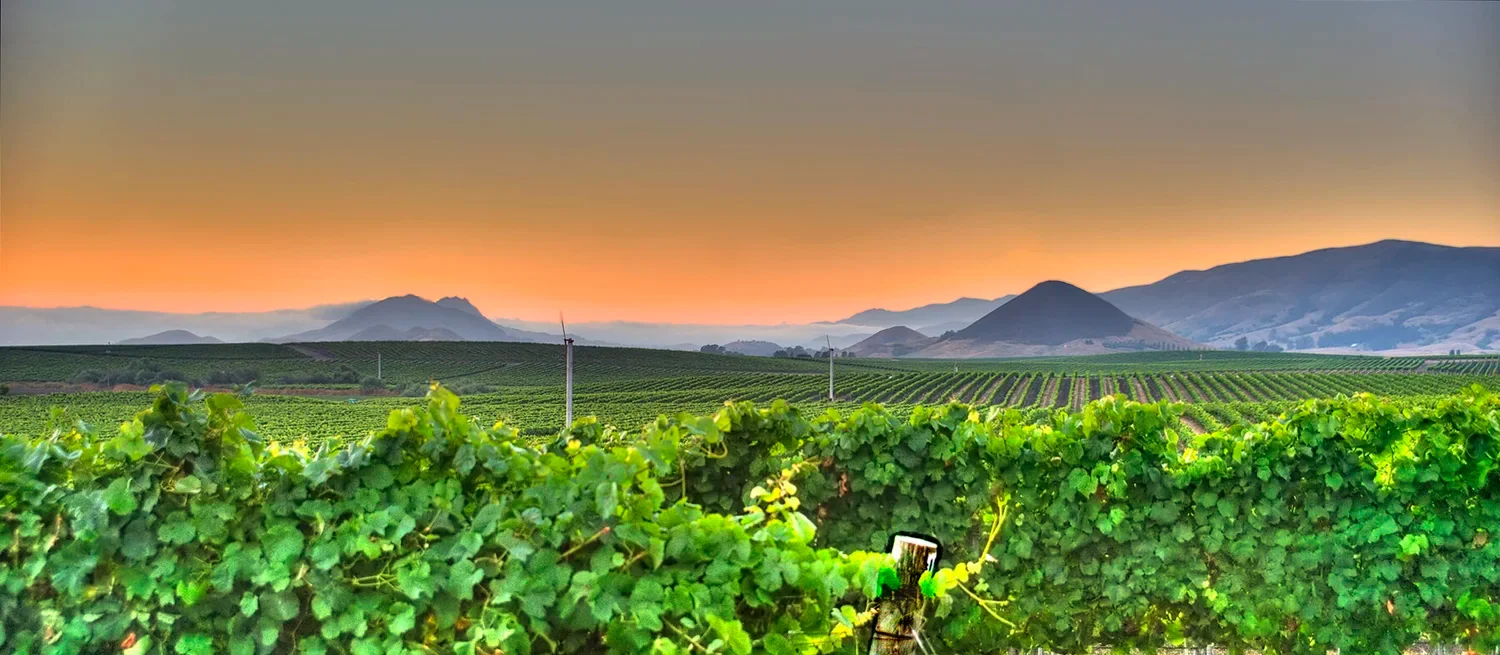
California’s Central Coast has a quiet way of revealing itself. The hills rise gently. Ocean air moves inland through narrow valleys. Vineyards follow the rhythm of the land rather than forcing it to change.
In the heart of this landscape sits Wolff Vineyards, a property shaped as much by careful stewardship as by winemaking ambition. The estate rests in Edna Valley, one of California’s coolest and most distinctive wine regions, located just outside the city of San Luis Obispo.
For visitors exploring the wineries of Edna Valley, Wolff Vineyards offers something increasingly rare in modern wine country: a vineyard that feels deeply connected to the land it occupies.
The story begins with one man’s journey across continents and through some of the most respected vineyards in the world.
Jean-Pierre Wolff: From Alsace to California
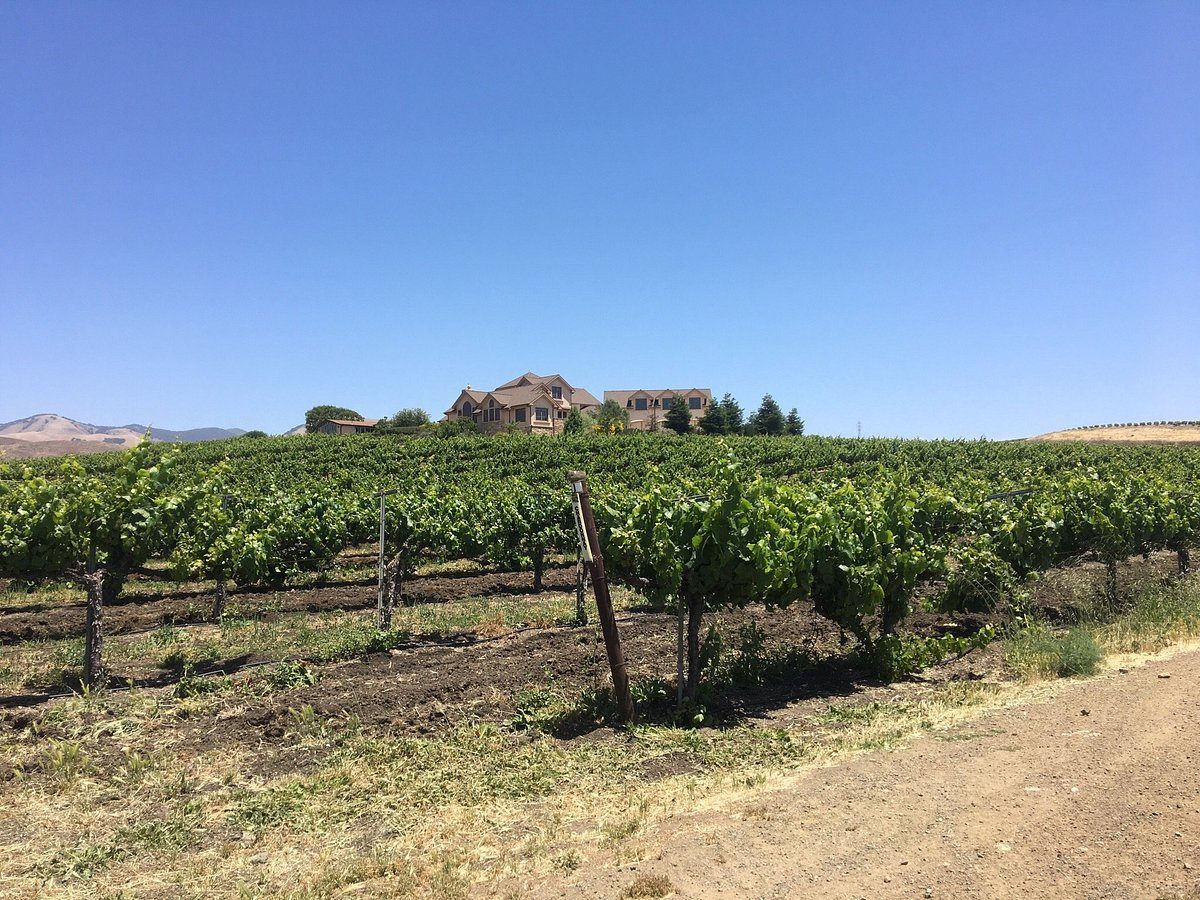
The guiding force behind Wolff Vineyards is Jean-Pierre Wolff, a winemaker whose path to California began in the historic vineyards of Alsace.
In Alsace, wine is woven into everyday life. Generations cultivate the same slopes, and vineyards are viewed less as property than as inheritance. Wolff grew up within that tradition, studying viticulture and gaining hands-on experience in European vineyards before eventually looking beyond the continent.
His professional journey led him through winemaking roles across Europe and North America, including positions in regions where precision and terroir expression are taken seriously.
Eventually, that search for the right landscape brought him to California’s Central Coast.
When Wolff first encountered Edna Valley, he recognized something familiar: cool maritime air, long growing seasons, and soils capable of producing elegant wines rather than overpowering ones.
For a winemaker trained in European balance, the valley felt like home.
Building a Vineyard in Edna Valley
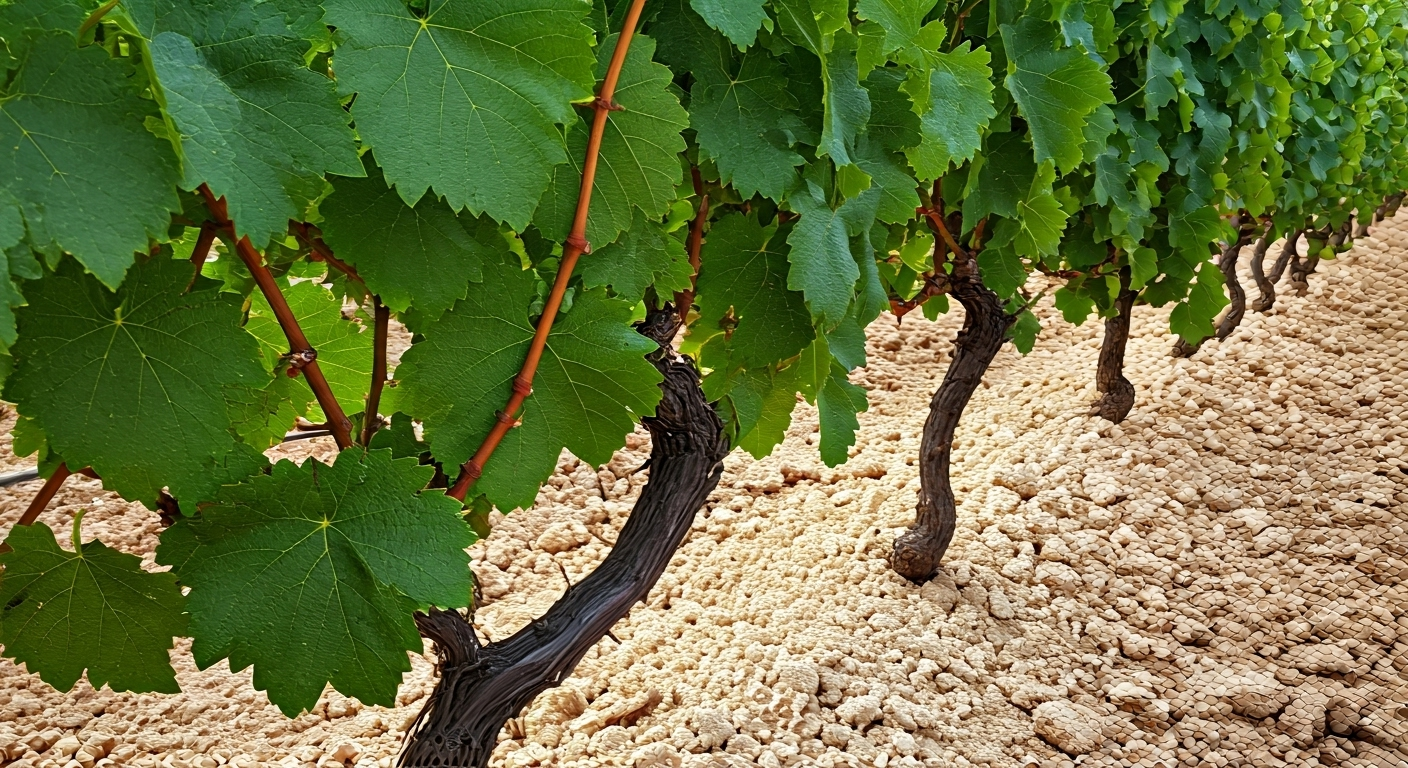
Jean-Pierre Wolff established Wolff Vineyards in the late 1990s, carefully selecting land in Edna Valley that would support cool-climate grape varieties.
Unlike warmer California regions, Edna Valley receives steady marine influence from the nearby Pacific Ocean. Afternoon breezes flow inland through the valley corridor, moderating temperatures and extending the growing season.
This slow ripening period allows grapes to develop layered flavors while preserving natural acidity — a critical element for wines meant to age gracefully.
Planting a vineyard is an act of patience. Vines take several years before producing meaningful fruit, and the character of the land reveals itself gradually.
At Wolff Vineyards, the estate was designed with sustainability and longevity in mind. Vine spacing, orientation, and rootstock selection were chosen to match the valley’s climate rather than fight it.
Over time, the vineyard began producing fruit that reflected the quiet elegance of Edna Valley.
For those interested in learning more about the broader region, visitors often begin by Edna Valley, one of the Central Coast’s most distinctive wine areas.
Sustainable Stewardship of the Land
At Wolff Vineyards, sustainability is more than a marketing phrase. It is the philosophy that guides daily decisions in the vineyard.
The estate has adopted numerous environmentally responsible practices designed to protect both soil health and surrounding ecosystems.
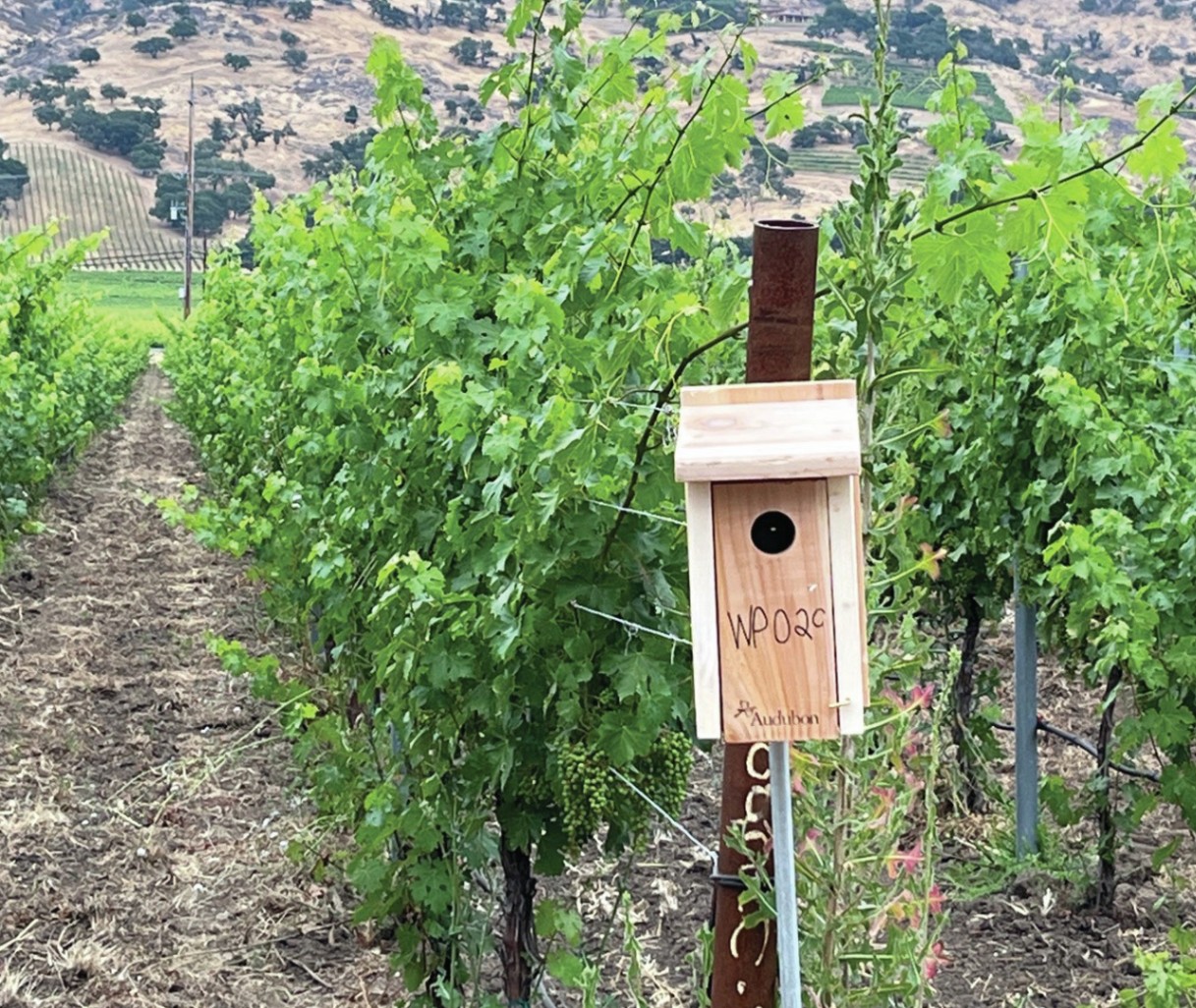
Cover crops grow between vine rows, preventing erosion while encouraging beneficial insects. Owl boxes provide natural pest control by supporting bird populations that feed on rodents. Water usage is monitored carefully, a crucial step in California’s climate.
The winery has also invested in renewable energy systems, including solar power, allowing much of the operation to run with reduced environmental impact.
These practices reflect Wolff’s European perspective that vineyards should remain productive for generations, not just decades.
Stewardship, in this sense, means leaving the land healthier than it was found.
Pinot Noir and Chardonnay: Edna Valley’s Signature Grapes
Edna Valley is particularly well-suited to two classic grape varieties: Pinot Noir and Chardonnay. These grapes thrive in cooler climates where ripening occurs slowly, and acidity remains vibrant. At Wolff Vineyards, Pinot Noir often expresses bright red fruit notes layered with subtle earthiness and spice. The wines tend toward elegance rather than power, reflecting the coastal influence that defines the valley.
Chardonnay follows a similar philosophy. Instead of heavy oak or overly rich styles, Wolff’s wines emphasize balance and freshness. Citrus, green apple, and mineral tones often emerge, supported by a gentle texture.
These wines represent the quiet precision that cool-climate vineyards can deliver.
They also place Wolff Vineyards in good company among other respected wineries in the region, such as Chamisal Vineyards, which has long been known for its Chardonnay and Pinot Noir expressions.
Visiting Wolff Vineyards
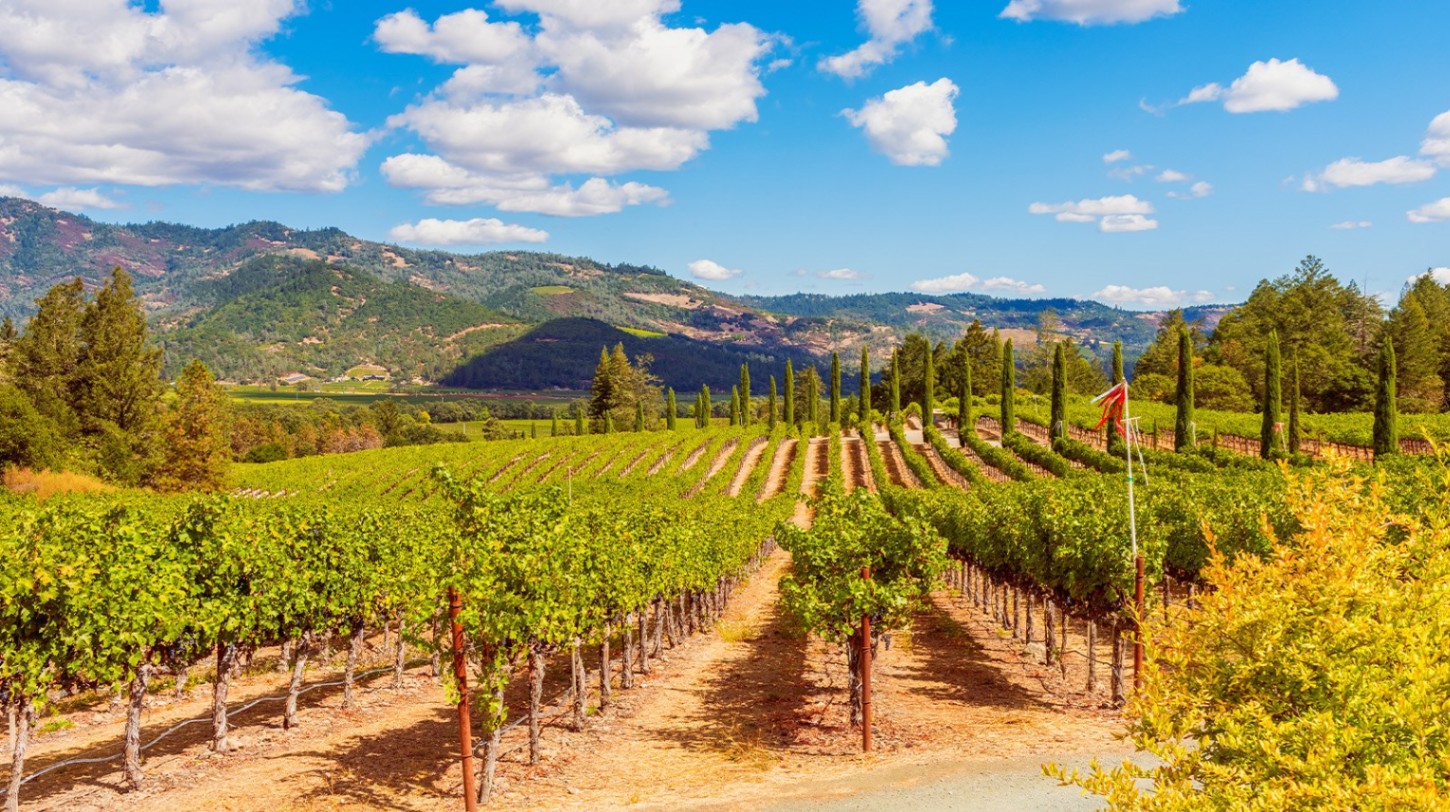
A visit to Wolff Vineyards reveals the calm rhythm of Edna Valley life.
The tasting area offers sweeping views of surrounding vineyards and rolling hills. On clear afternoons, cool breezes drift through the valley while the coastal sun softens across the landscape.
Guests can sample estate wines while learning about the vineyard’s history and farming practices. Conversations often drift toward the land itself — the soils, the fog patterns, and the quiet influence of the nearby Pacific Ocean.
For travelers exploring historic vineyards in San Luis Obispo County, Wolff Vineyards provides an opportunity to experience a winery shaped by patience and thoughtful stewardship.
Other Wineries to Explore in Edna Valley
Visitors exploring Edna Valley may also enjoy discovering several other distinctive producers nearby:
Each contributes its own perspective to the region’s wine culture. For example, Saucelito Canyon stands among the historic vineyards in San Luis Obispo County, while Kynsi and Talley represent another respected winery in the region , producing expressive Central Coast wines.
You may also encounter producers such as Sinor-LaVallee, whose wines further highlight the cool-climate potential of the valley.
Together, these wineries form the backbone of one of California’s most quietly impressive wine regions.
A Vineyard Guided by Stewardship
The story of Wolff Vineyards ultimately comes down to stewardship.
Jean-Pierre Wolff brought experience from Europe and beyond, but he also carried a philosophy rooted in respect for the land. Vineyards should reflect their surroundings. Wines should reveal their place of origin.
In Edna Valley, that philosophy found the perfect setting.
The coastal winds still move through the valley each afternoon. Fog continues to settle gently over the vineyards in the early morning hours. And in the rows of Wolff Vineyards, vines continue their slow conversation with the soil beneath them.
For those willing to listen — or raise a glass — the story becomes clear.
*About the Author: John Krause loves wine. He is the one who started California Corks. This is a directory of California wineries.