
Where Ocean Breezes Shape California Wine

Just a few miles south of San Luis Obispo, a broad valley opens toward the Pacific Ocean. Vineyards stretch across gently rolling hills, their rows shaped by steady coastal winds and long sunlit afternoons.
This is Edna Valley, one of California’s most distinctive cool-climate wine regions.
While Napa Valley and Sonoma often dominate conversations about California wine, Edna Valley quietly produces some of the state’s most elegant Pinot Noir and Chardonnay. The region’s proximity to the Pacific creates a rare balance of sunshine and maritime influence, allowing grapes to ripen slowly while retaining vibrant acidity.
For travelers exploring the Central Coast, Edna Valley offers something especially appealing. The vineyards remain close to the land, tasting rooms feel relaxed rather than crowded, and the wines reflect a clear sense of place.
For visitors exploring the wineries of Edna Valley, the experience often begins with the landscape itself — rolling vineyards framed by coastal hills and cooled by ocean air.
Where Is Edna Valley?

Edna Valley sits along California’s Central Coast in San Luis Obispo County, only about five miles from the Pacific Ocean.
The valley lies between coastal mountain ranges that form a natural corridor allowing marine air to flow inland. This cooling influence shapes nearly every aspect of the region’s winegrowing conditions.
The Edna Valley AVA (American Viticultural Area) was officially recognized in 1982, though vineyards had already been planted there for nearly a decade.
What makes the valley unique is its orientation.
Unlike many California valleys that run north to south, Edna Valley stretches east to west. This orientation allows ocean breezes and fog to move directly into the vineyards, creating one of the longest growing seasons in the state.
For winemakers, that extended season allows grapes to develop complex flavors while maintaining the freshness that defines cool-climate wines.
Why Edna Valley Is One of California’s Coolest Wine Regions

Climate plays a defining role in every wine region, and in Edna Valley, the Pacific Ocean acts as the vineyard’s silent partner.
Morning fog often blankets the vineyards before gradually lifting under California sunshine. By afternoon, steady coastal winds moderate temperatures across the valley.
These conditions produce several advantages for grape growers:
Long growing season
Grapes ripen slowly, allowing flavors to develop gradually.
Balanced acidity
Cool nights help preserve the natural acidity that keeps wines fresh and lively.
Layered aromatics
The extended ripening period encourages complex aromas and subtle flavor development.
Together, these elements create wines known for elegance rather than sheer power — a style that increasingly defines the Central Coast.
The Wines of Edna Valley
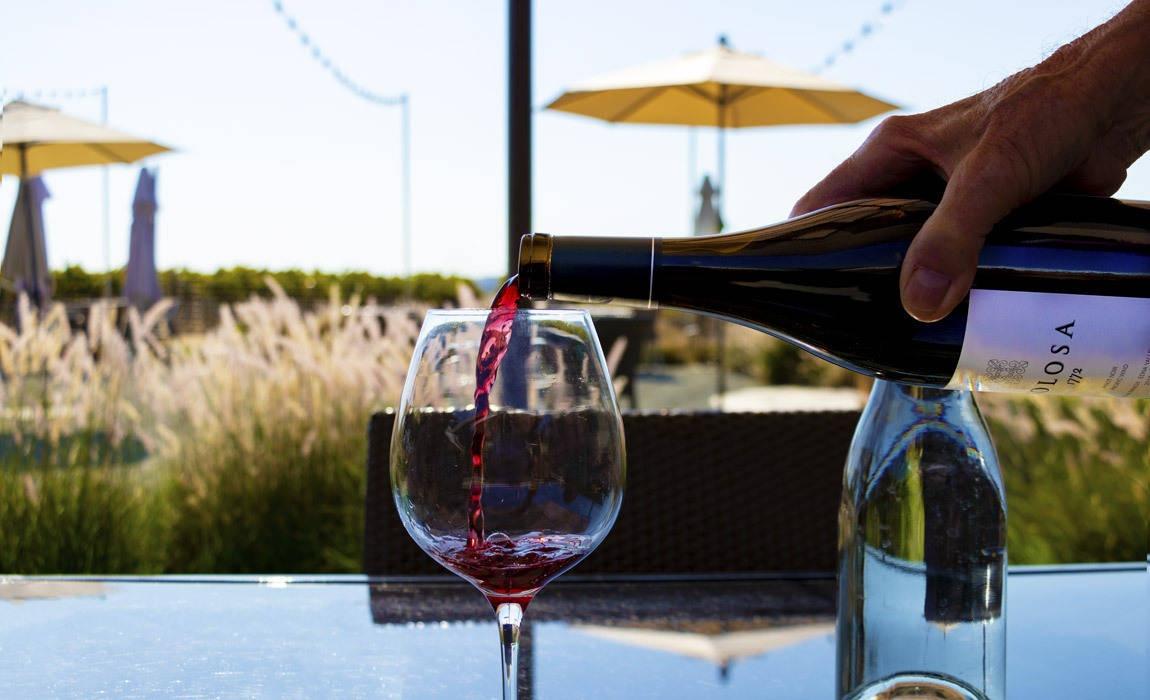
Edna Valley is widely recognized for producing wines from cool-climate grape varieties. While several grapes thrive in the region, two stand at the center of its reputation.
Pinot Noir
Pinot Noir thrives in Edna Valley’s moderate climate. The grape ripens slowly, developing bright red-fruit flavors and refined structure.
Typical tasting notes include:
-
red cherry
-
cranberry
-
subtle spice
-
delicate floral aromas
These wines often emphasize balance and elegance rather than heavy extraction.
Chardonnay
Chardonnay has become another signature wine of the region.
Edna Valley Chardonnay frequently shows:
-
citrus
-
green apple
-
pear
-
mineral freshness
Some producers ferment the wine in oak barrels to add texture, while others favor stainless steel to preserve clarity and brightness.
Rhône Varieties
While Pinot Noir and Chardonnay dominate the valley, Rhône varieties such as Syrah and Grenache also appear in small quantities.
These wines often display darker fruit, savory spice, and earthy complexity while still reflecting the region’s cool climate.
The Early Pioneers of Edna Valley Wine
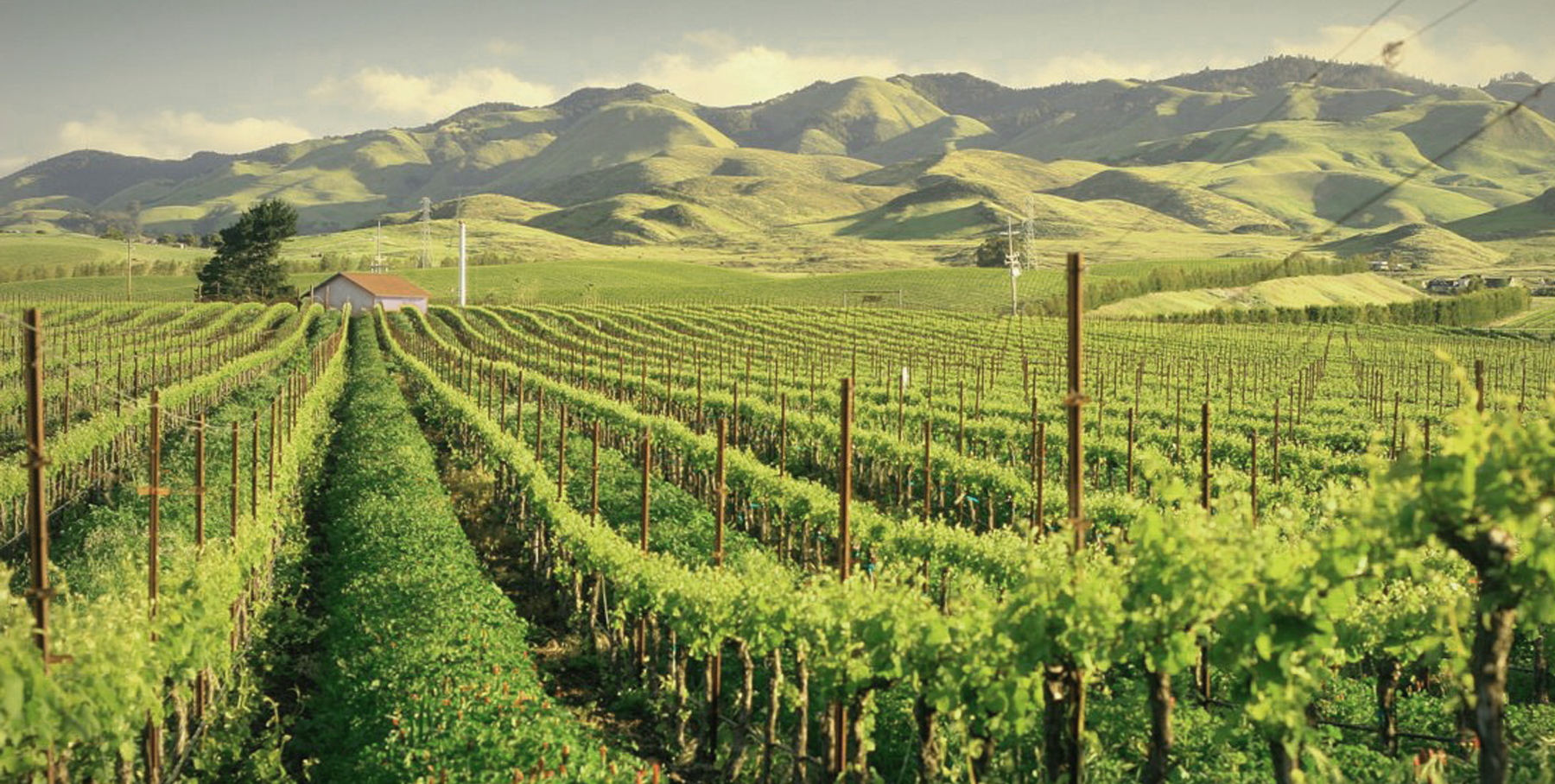
Modern winemaking in Edna Valley began in the early 1970s.
One of the most influential early vineyards was Chamisal Vineyards, planted in 1973. The vineyard quickly demonstrated that cool-climate varieties could flourish in the region.
That early success encouraged other growers to plant vineyards throughout the valley.
Over time, a diverse group of wineries emerged, each contributing its own perspective on the region’s terroir.
Today, Edna Valley includes both historic vineyards and innovative new producers, creating a wine community that blends tradition with experimentation.
Wineries to Visit in Edna Valley
For wine travelers, Edna Valley offers a collection of wineries that showcase the region’s diversity and charm.
Some of the most notable wineries include:
Wolff Vineyards
A vineyard founded by winemaker Jean-Pierre Wolff that focuses on sustainable farming and expressive Pinot Noir and Chardonnay.
Kynsi Winery
Known for Burgundian-inspired wines crafted by winemaker Don Othman.
Saucelito Canyon Vineyard
Home to some of the most historic vineyards in San Luis Obispo County, including old-vine Zinfandel plantings dating back to the nineteenth century.
Talley Vineyards
A family-owned estate producing acclaimed Pinot Noir and Chardonnay from coastal vineyards.
Sinor-LaVallee
A modern Central Coast winery known for regenerative farming and both Rhône and Burgundian varieties.
Together, these wineries form the foundation of the region’s wine culture.
Planning a Visit to Edna Valley
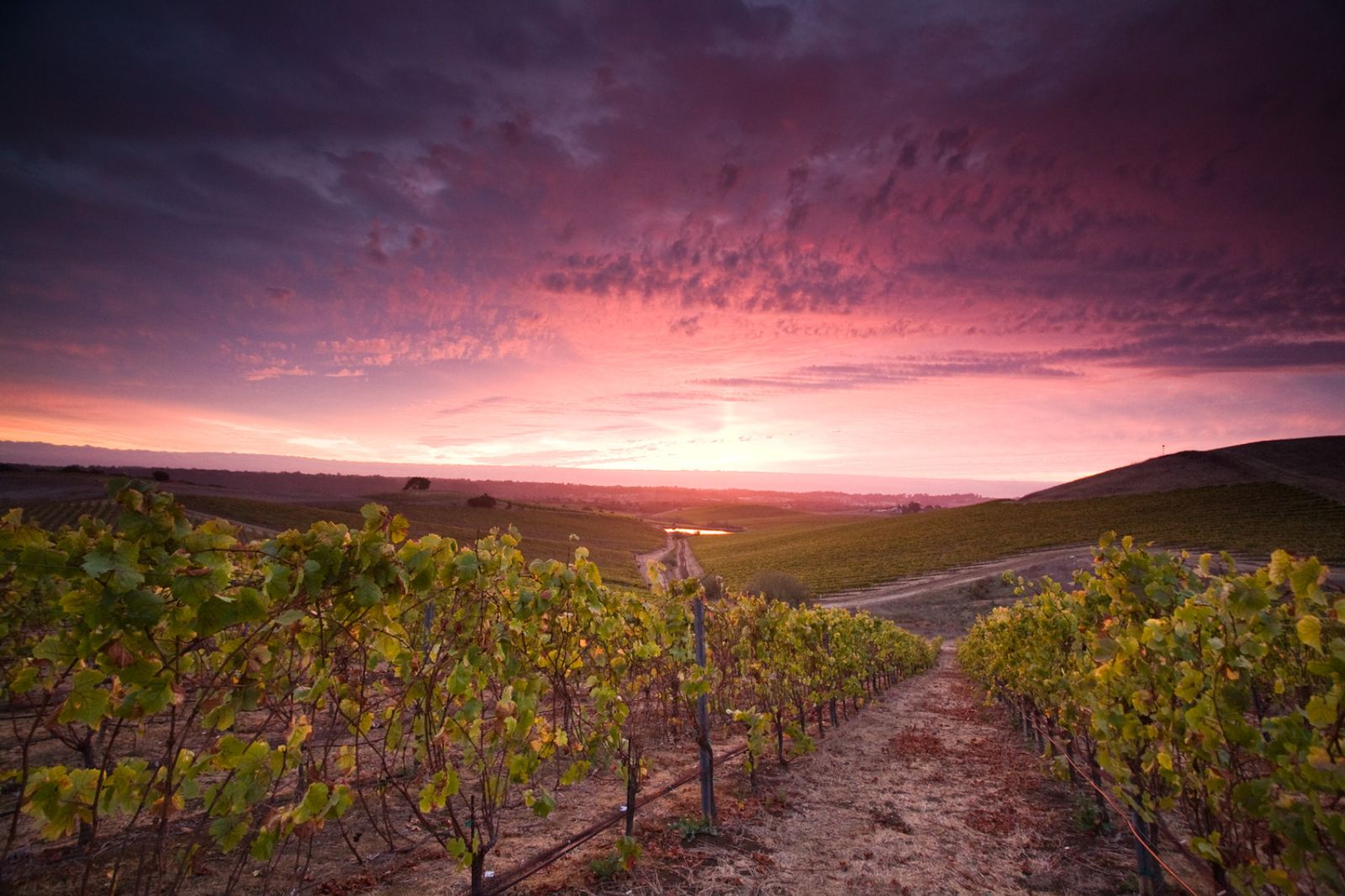
One of the great advantages of visiting Edna Valley is its accessibility.
The vineyards lie only minutes from downtown San Luis Obispo and a short drive from the coastal community of Avila Beach.
Wine travelers can easily combine vineyard visits with:
-
coastal walks along the Pacific
-
dining in San Luis Obispo’s vibrant restaurant scene
-
scenic drives through the surrounding hills
Because the region remains relatively compact, visitors can explore several wineries in a single afternoon without long drives between tasting rooms.
The atmosphere tends to feel welcoming and unhurried — a refreshing contrast to some of California’s more crowded wine destinations.
A Region Defined by Balance

Edna Valley may not carry the same global recognition as Napa Valley, yet its wines have steadily gained admiration among winemakers and collectors alike.
The reason lies in balance.
Balance between sunshine and ocean air.
Balance between tradition and innovation.
Balance between careful farming and thoughtful winemaking.
That balance defines the wines produced here.
For travelers discovering California’s Central Coast, Edna Valley offers an experience that feels authentic and grounded in the land.
And for those exploring the wineries of Edna Valley, the valley reveals something more with each visit — a deeper appreciation for the vineyards shaped by the Pacific and the people who continue to steward them.