
Tequila vs Mezcal: Exploring the Key Differences
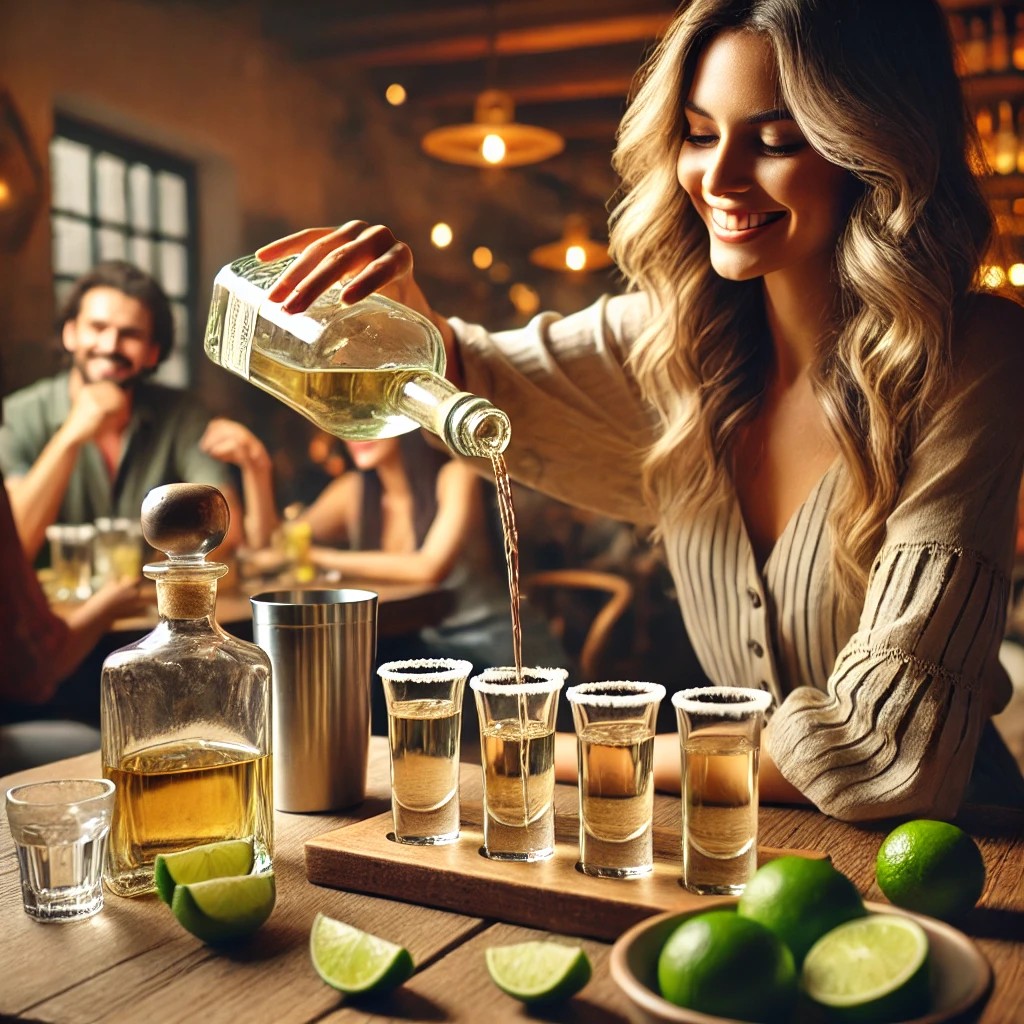
In the world of spirits, few pairs are as interesting as tequila and mezcal. Both come from Mexico and are made from the agave plant, much like bourbon is made from corn. They share a long history, which can confuse fans, but there are important rules and ways of making these drinks that set them apart. For example, the 'denomination of origin' for tequila shows certain areas where it can be made, which makes it different from mezcal. Knowing these details helps you enjoy each drink's distinct flavors and qualities even more.
Origins and Production Processes
Tequila and mezcal come from the same beginnings in ancient Mexico. Agave was important for food and spiritual lives there. People made drinks from agave a long time before the Spanish conquistadors arrived. Over the years, the ways to make these drinks changed, which led to the unique spirits we have now.
Agave is key to these spirits. , including raicilla. It goes through a careful process from the field to the bottle. The main steps remain the same. However, different types of agave, cooking methods, and distillation steps create the final taste of tequila and mezcal.

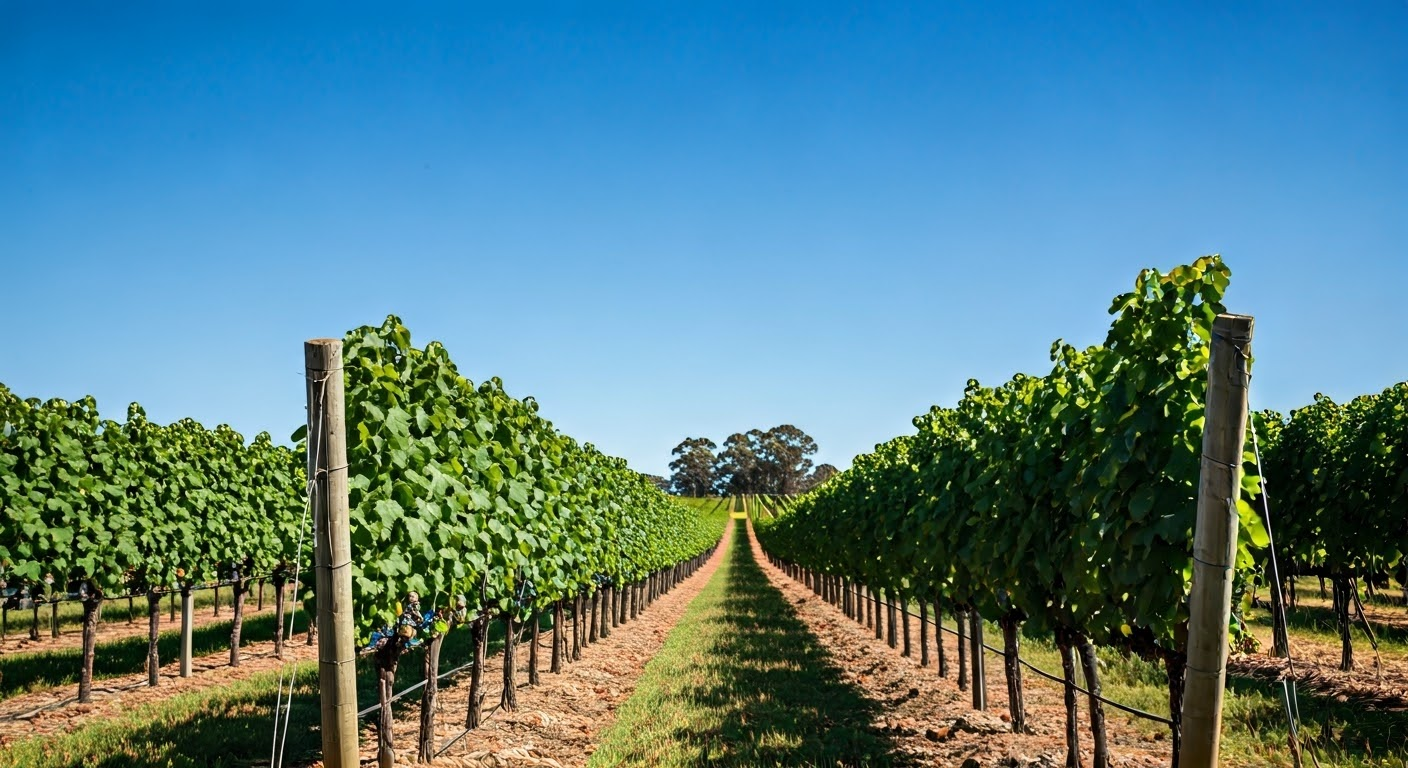


 Come and celebrate the wonderful world of Australian wine with us. In this guide, we will explore the rich history and different grape varieties. We will also talk about winemaking methods and important regions. Get ready to learn about the secrets behind the famous wines of Australia like their famous Australian Shiraz and more. Whether you are a wine expert or a beginner, this guide will help you understand and enjoy this well-known industry even more!
 Irish pubs are renowned for their unique culture, warm hospitality, and lively atmosphere, making them a must-visit for travelers.