
The Shrinking Glass: Why Wine Tourism in America Is Declining — and What Wineries Can Do About It
A Wake-Up Call for U.S. Wineries
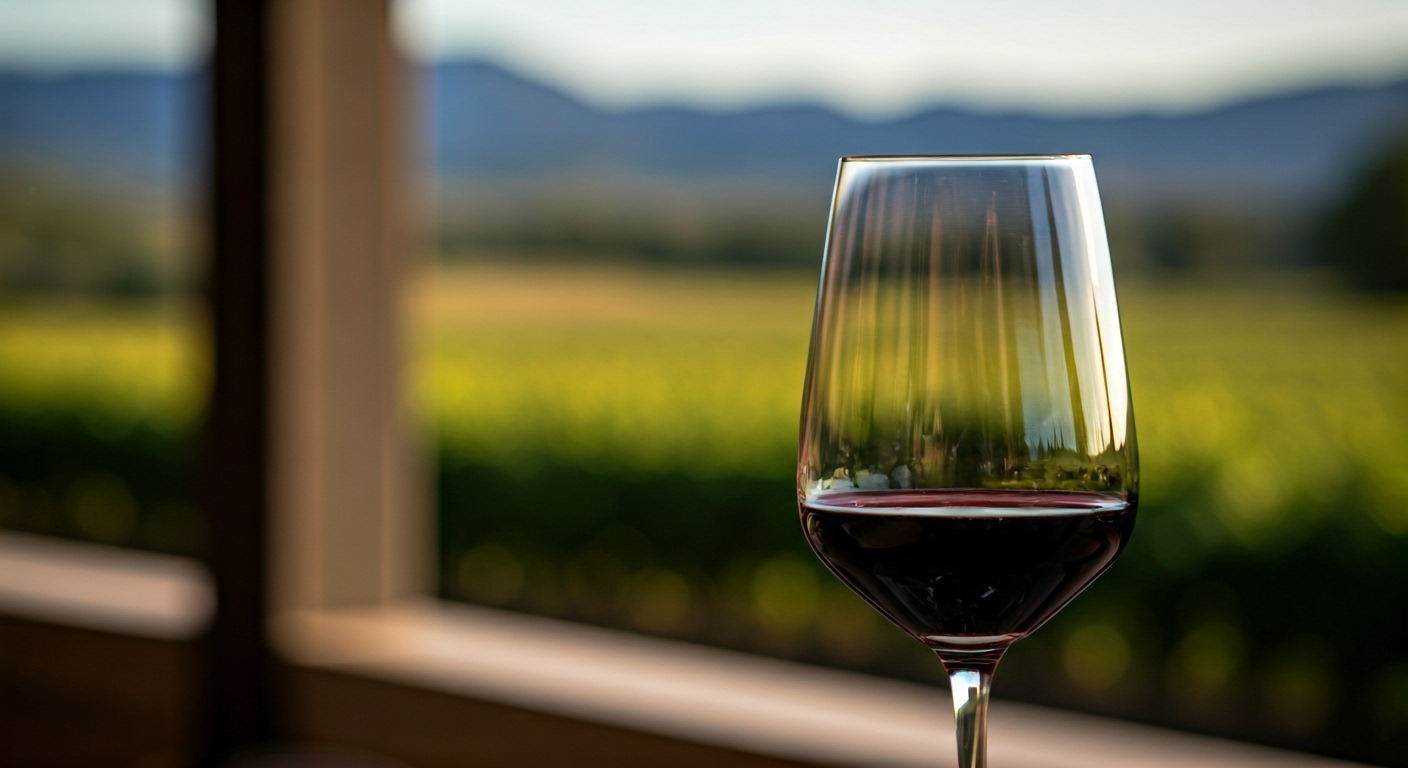
Across the hills of Napa, the valleys of Oregon, and the backroads of Virginia, winery tasting rooms are noticeably quieter than they were just a few years ago. Once-bustling weekends are now scattered with open tables, and tourism dollars that used to flow like Pinot Noir in high season are drying up. The wine tourism decline is real — and it’s a growing concern for wineries nationwide.
For California, the nation’s wine epicenter, this shift hits especially hard. But the effects are rippling through Oregon, Washington, New York, and Virginia as well — all states with thriving but vulnerable wine industries. What’s behind this downturn? And more importantly, what can be done?
Before we go on ....Share your thoughts with us
How is your winery navigating this trend, and what ideas do you have for bringing visitors back? Let’s keep the conversation flowing — the future of wine tourism depends on it.

 Located Near the San Joaquin River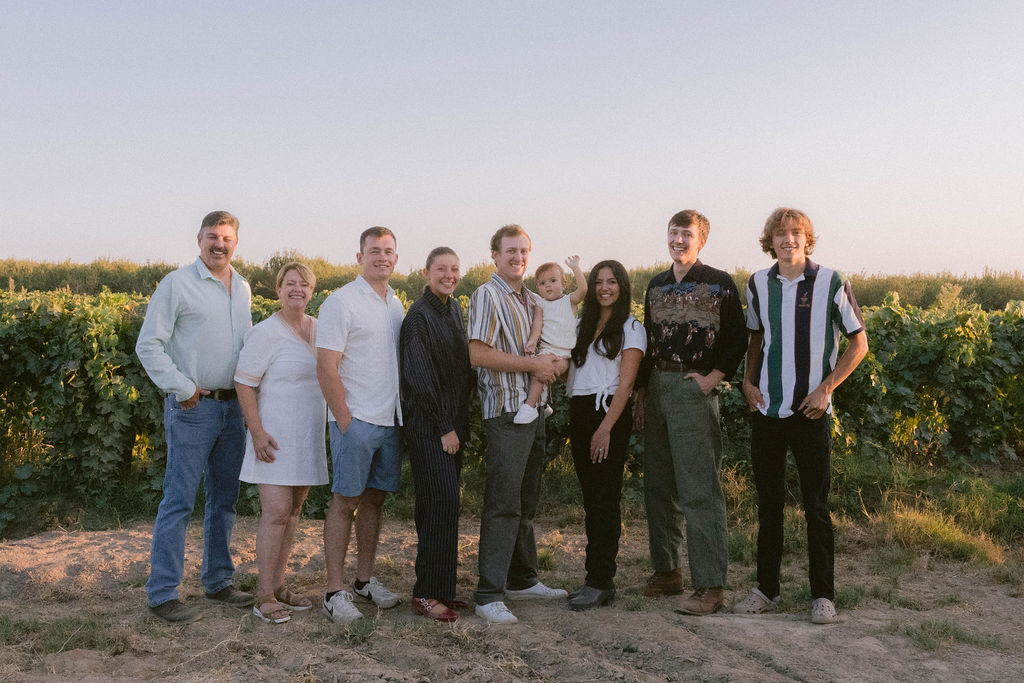
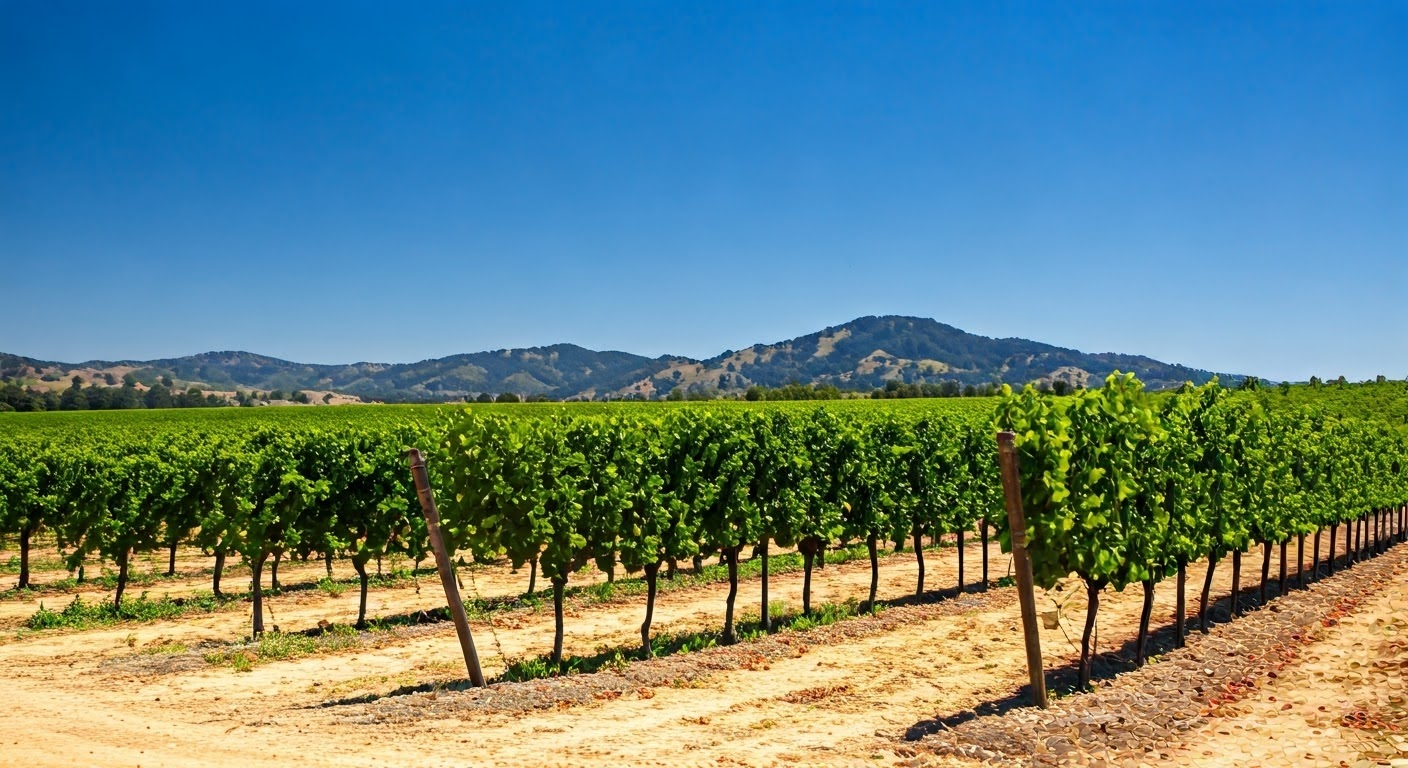
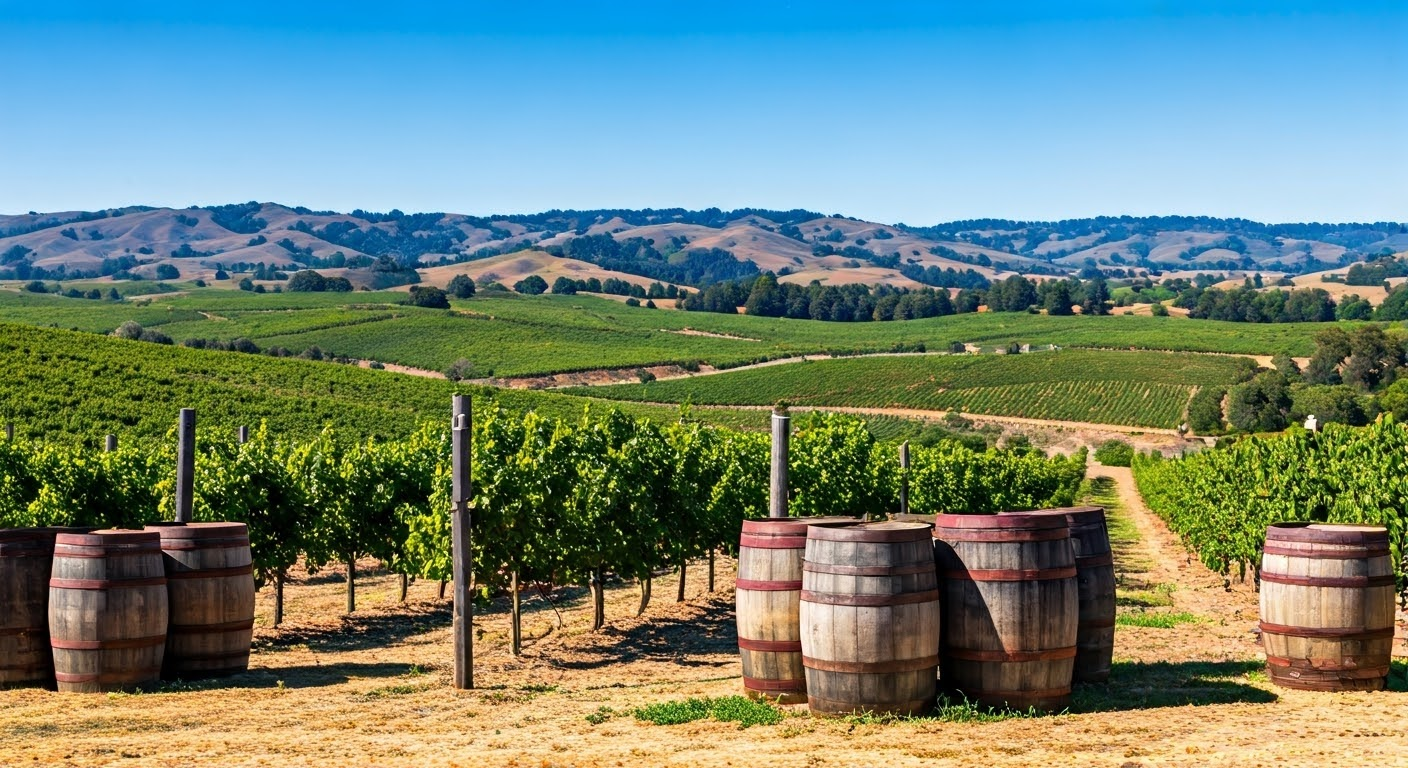 The history of wine production in California goes back to the 1700s. Spanish missionaries brought

 Exploring Oregon wineries can be fun but also a bit stressful. This state is known for its great